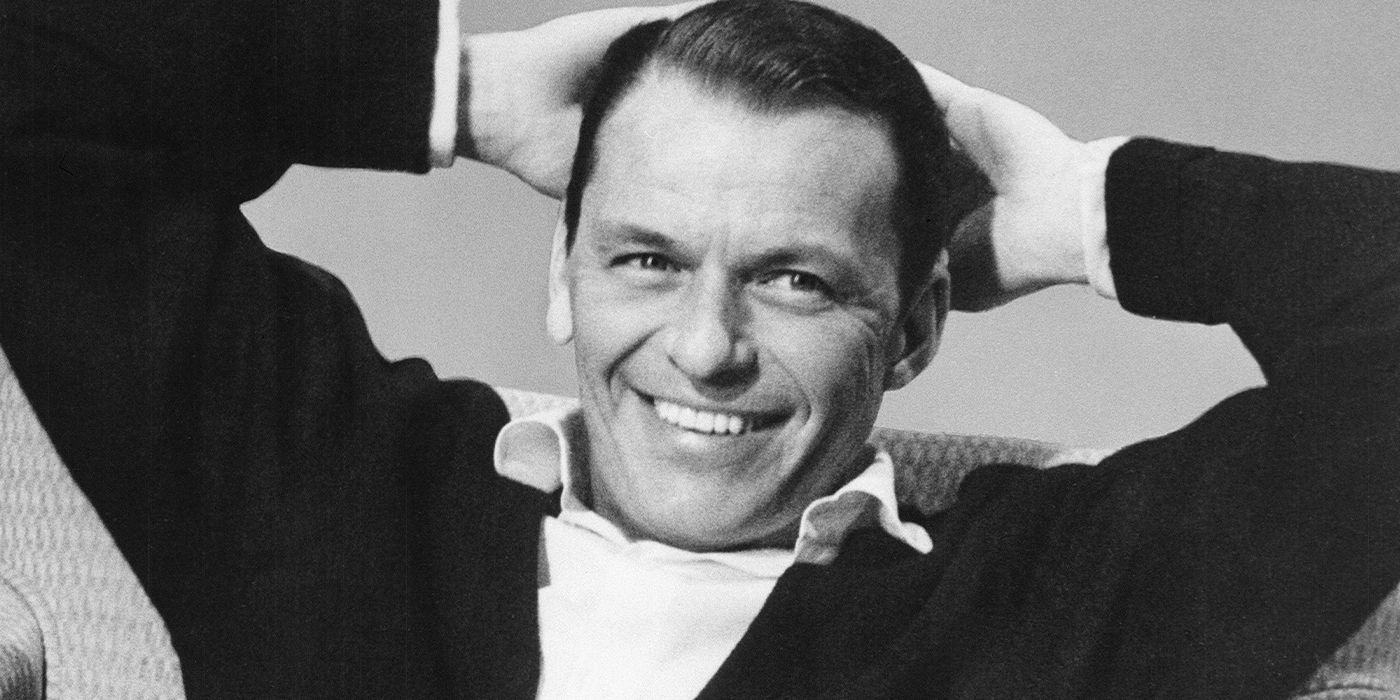
 Frank SinatraImage via Underwood Archives
 By
Fiona MacPherson-Amador
Published Feb 13, 2026, 7:55 PM EST
Curious from birth, Fiona is a music writer, researcher, and cultural theorist based in the UK. She studied her Bachelor of Music in London, specializing in audiovisual practices, and progressed to a Master’s in Arts and Culture from the University of Groningen in the Netherlands. Her MA research focused on the societal impact of sound within urban communities and how the narratives of art can contribute to their shaping and commentary.
Sign in to your Collider account
Add Us On
Summary
Generate a summary of this story
follow
Follow
followed
Followed
Like
Like
Thread
Log in
Here is a fact-based summary of the story contents:
Try something different:
Show me the facts
Explain it like I’m 5
Give me a lighthearted recap
By
Fiona MacPherson-Amador
Published Feb 13, 2026, 7:55 PM EST
Curious from birth, Fiona is a music writer, researcher, and cultural theorist based in the UK. She studied her Bachelor of Music in London, specializing in audiovisual practices, and progressed to a Master’s in Arts and Culture from the University of Groningen in the Netherlands. Her MA research focused on the societal impact of sound within urban communities and how the narratives of art can contribute to their shaping and commentary.
Sign in to your Collider account
Add Us On
Summary
Generate a summary of this story
follow
Follow
followed
Followed
Like
Like
Thread
Log in
Here is a fact-based summary of the story contents:
Try something different:
Show me the facts
Explain it like I’m 5
Give me a lighthearted recap
Sixty-six years ago, Frank Sinatra changed the music industry forever by launching Reprise Records. It was an unapologetically bold move that redefined how the industry viewed, and later respected, artist ownership and creative freedom. Already a global superstar, Sinatra broke away from Capitol Records after growing frustration with feeling restricted and even controlled.
Determined that no other musician would feel the same, Sinatra built a label that truly valued its musicians. His bold creation later signing legends including The Beach Boys, Jimi Hendrix and Joni Mitchell. It was a courageous, industry-shaking act that empowered generations to come.
Frank Sinatra’s Record Label Gave Him Creative Freedom
 Frank Sinatra as John Baron looking straight into the camera as he delivers a monologe in 'Suddenly'Image via United Artists
Up until 1960, Frank Sinatra was the ultimate crooner. He had starred in fan favorite movies like High Society and Guys and Dolls, and released Come Fly With Me, but he wanted more than a poster boy. Before paving his own way, Sinatra was signed with Capitol Records, but he felt constricted by the big corporation. As one of the biggest musicians on the planet, it was reasonable for Sinatra to want a sense of control over his music if millions were listening. He was no longer a newcomer, he no longer needed guidance. Sinatra had wits, and he was ready to use them.
Reprise Records was launched, and soon after, Sinatra released Ring-a-Ding-Ding! It was very clear that Sinatra was the boss of the label, and legend has it he soon garnered the nickname of Chairman of the Board. While he was CEO, the nickname echoed the ultimate commanding energy Sinatra had. In the first signing of Reprise Records, Sinatra made sure that his nearest and dearest in the community gained the right kind of representation in order for them to feel creatively fulfilled. This included Rat Pack members Dean Martin and Sammy Davis Jr., but also Bing Crosby, Duke Ellington, and, of course, Nancy Sinatra.
But it was all in the name of creative freedom, liberation, and autonomy. One of the founding principles of Reprise Records was for musical artists to gain full ownership of their work, including publishing rights. This bold move was what set Reprise up as a revolutionary label for its time, and one that still has a more artist-centered ethos than many others today.
Reprise Records Opened the Door For Other Legendary Musicians
Reprise was revolutionary in its music-first philosophy, but it was struggling to be a commercial triumph. In 1963, Warner Bros made a deal with the label, ultimately purchasing two-thirds to make Reprise a subsidiary of Warner Bros. In exchange, Sinatra would be a member of their film stable. Nevertheless, Sinatra remained the owner of a third of Reprise, keeping him a key figure of the label. The true key figure in this negotiation, though, was Reprise president Mo Ostin, who actually went on to chair Warner Bros. Records from 1972 to 1994. The deal ensured Reprise did not lose sight of its foundational principles, and it continued to be a label with musical artists truly at its core.
With Reprise’s cash flow rescued, and the increased powers of distribution and marketing from Warner Bros, Sinatra’s label was ready to make serious moves. The 1960s was a decade of rapid evolution, perhaps the quickest of the entire twentieth century. Mods quickly turned psychedelic, folk shifted into pop, and rock and roll transformed into heavy metal. To keep up with these turbulent times, Reprise soon ensured that their roster expanded from the familiarity of the Rat Pack to adopting the seriously big names of the ‘60s.
 Related
Frank Sinatra's Biggest Hit of All Time Almost Never Happened
Related
Frank Sinatra's Biggest Hit of All Time Almost Never Happened
The iconic song that almost slipped away from Sinatra's grasp.
Posts By Karly B.The musical expansion of Reprise included signing Joni Mitchell, Jimi Hendrix, Neil Young, and The Beach Boys. The diversification of the label was crucial in Reprise gaining the success that it was beginning to experience. The musicians they represented were young and genuinely cool, and it was obvious through their work that they were afforded an unshackled approach to their writing and performance. Joni Mitchell wrote unapologetically from the heart, refusing to be filtered, Jimi Hendrix was brilliantly unruly, and Neil Young kept his raw acoustic roots close to folk.
CL Report: Subscribe and never miss what matters
Dive into the world of entertainment with Collider, delivering the latest news, reviews, and exclusive updates from movies, TV, and pop culture Subscribe By subscribing, you agree to receive newsletter and marketing emails, and accept our Terms of Use and Privacy Policy. You can unsubscribe anytime.By 1976, Reprise entered an era of dormancy, and the label was deactivated except for the discography of Sinatra and Young, who insisted the logo remained on their releases. Most of the artists signed to Reprise at that time ultimately moved over to Warner Bros, but this wasn’t the last chapter for Reprise. In 1987, Ostin announced the reactivation of Reprise Records, and it continues to operate. The label has been on a journey since its formation 66 years ago, but a dedication to prioritizing artists in a sometimes cynical industry takes courage. That courage, led by Sinatra, has truly paid off.
-
 Frank Sinatra
CL Report: Subscribe and never miss what matters
Dive into the world of entertainment with Collider, delivering the latest news, reviews, and exclusive updates from movies, TV, and pop culture Subscribe By subscribing, you agree to receive newsletter and marketing emails, and accept our Terms of Use and Privacy Policy. You can unsubscribe anytime.What To Watch
 July 20, 2025
The 72 Best Movies on Netflix Right Now
Trending Now
July 20, 2025
The 72 Best Movies on Netflix Right Now
Trending Now
 Bob Dylan Performed This Forgotten Song Early in His Career — It Took 30 Years to Officially Release
 A Single Movie Killed This ’90s Femme Fatale Icon’s Career — It’s Time We Gave Her The Comeback She Deserves
2:02
A Single Movie Killed This ’90s Femme Fatale Icon’s Career — It’s Time We Gave Her The Comeback She Deserves
2:02
 The 40 Highest-Grossing Disney Animated Movies of All Time