- News
- World
- Americas
EXCLUSIVE: Heart transplant recipient Payton Herres and the donor’s mother, Mary Cutter, hear one another’s voices for the first time in an emotional interview with Rhian Lubin after a spike in the cost of anti-rejection drug through health insurance makes it unaffordable
 Wednesday 03 December 2025 14:31 GMTComments
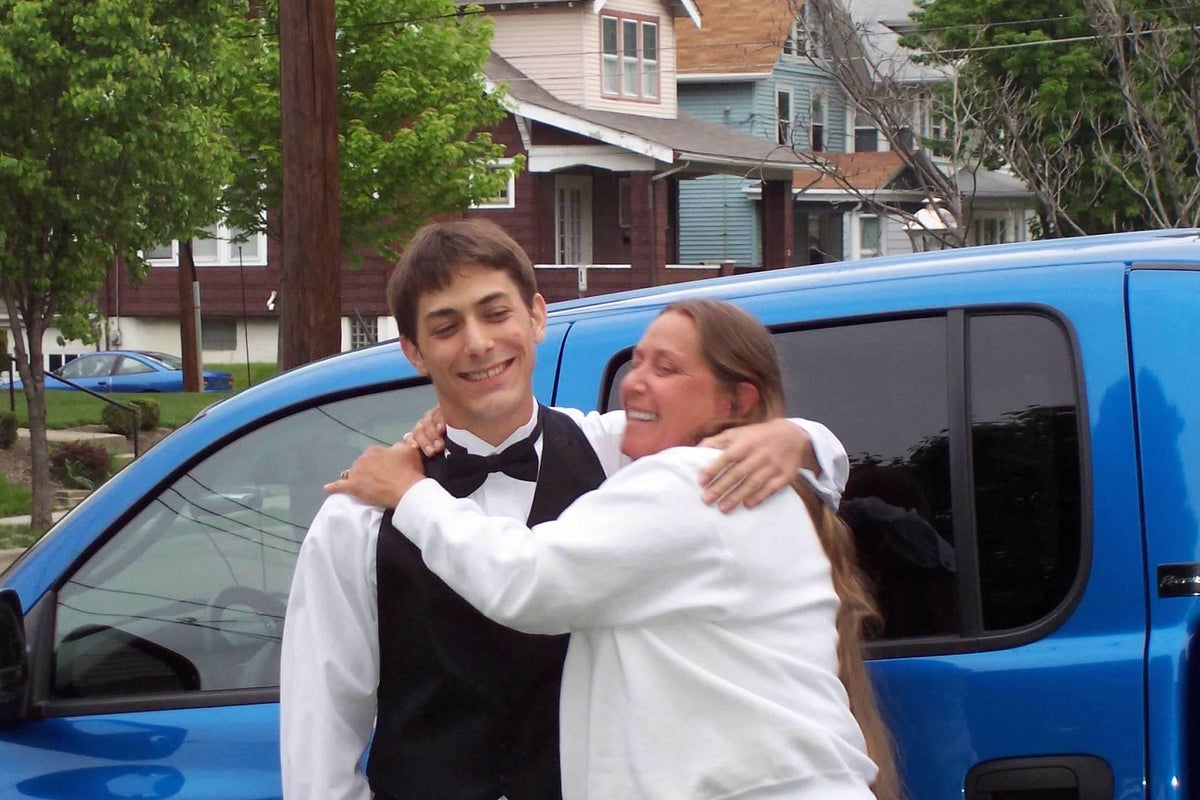
 open image in galleryMary Cutter lost her only child, 24-year-old Christian, to a sudden death in 2012 and she selflessly donated his organs, saving the life of Payton Herres (Mary Cutter)
The latest headlines from our reporters across the US sent straight to your inbox each weekday
Your briefing on the latest headlines from across the US
Your briefing on the latest headlines from across the US
Email*SIGN UPI would like to be emailed about offers, events and updates from The Independent. Read our Privacy notice
Mary Cutter was crushed when she lost her only child, 24-year-old son Christian, to a sudden death in 2012.
But she is comforted in knowing that Christian’s heart still beats 13 years later — in the chest of a now 25-year-old Ohioan whose life was saved when Cutter donated her son's organs.
The viability of keeping Christian’s heart beating, though, has recently been cast into doubt due to a change in transplant recipient Payton Herres' health insurance coverage for vital anti-rejection drugs. The change has made the crucial, life-continuing medicines unaffordable.
Herres, from Dayton, said receiving Christian’s heart when she was just 11 was the “ultimate gift” — and even sent his mom a teddy bear stocked with a recording of it beating in her chest. Now, Cutter is joining Herres’ fight to ensure her son’s gift keeps on giving.
“I'll do whatever I can to keep hers and my son's heart going,” Cutter told The Independent in an emotional joint interview with Herres. It was the first time they’d heard one another’s voices.
open image in galleryMary Cutter, pictured with her late son Christian, said if anything happened to his heart, ‘it would be like living the whole thing over again.’ (Mary Cutter)Even though they have never met in person, the 65-year-old mom from Cincinnati offered to step in and cover the cost of the medication.
“My son donated all his organs to help people and [Herres] has a chance to live a good life,” Cutter said. “And for the insurance companies to do something like that — you know, it's heart-wrenching.”
In the years since Christian’s death, Cutter, has also lost her husband and brother.
“I'm the only one left,” she said. “But you know, Payton's there with Christian.”
Christian was Cutter’s only child. She described him as a funny, smart, “amazing kid.” He was with the Reserve Officers' Training Corps at the University of Cincinnati for a couple of years before his life was tragically cut short.
He died unexpectedly on March 17, 2012.
In Cutter’s darkest days at the hospital, after learning that Christian was not going to make it, she made the difficult decision to donate his organs.
“If you know your child's gonna die, if somebody else has a child, and Christian could help them live ...,” she said, trailing off into tears. “I thought if somebody else didn't have to lose their child, it was something that I could do. I was willing to do it.”
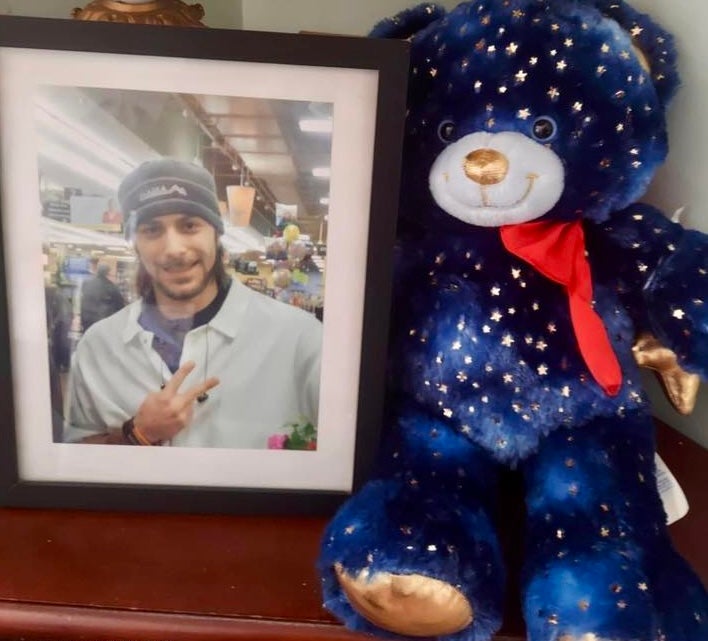 open image in galleryA photograph of Mary Cutter’s only son, Christian, is framed beside a teddy bear gifted to her by Payton Herres. It plays the sound of his heartbeat when the right paw is squeezed (Mary Cutter)
At the same time, Herres was in urgent need of a new heart — doctors didn’t think she would make it to her 12th birthday due to a rare congenital heart disease, Ebstein’s anomaly. The condition affects the tricuspid valve on the right side of the heart and causes blood to leak backward into the right atrium — upper right chamber — of the heart, leading to heart failure.
Herres received Christian’s heart the day after he died.
Cutter said if anything happened to her son’s heart, “it would be like living the whole thing over again.”
Since the surgery at Cincinnati Children’s Hospital 13 years ago, Herres has been on a combination of medications to ensure her body doesn’t reject that heart. Some of them made her incredibly unwell and it took years to find a combination that worked.
But this year, Herres — who earns $35,000 a year doing payroll at a faith-based non-profit — had to fight the health insurance company she’s been with all her life, Anthem Blue Cross Blue Shield, when they stopped covering one of the life-saving meds.
In February, the insurer, which is paid for by her employer, wrote to inform Herres that the drug everolimus was “no longer medically necessary,” according to paperwork previously seen by The Independent.
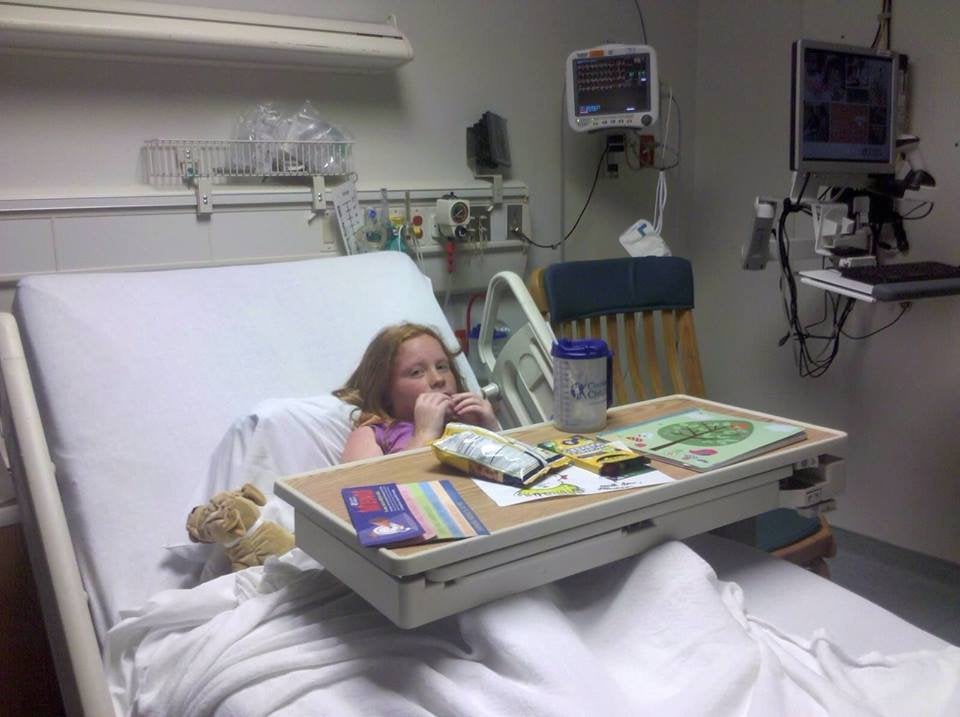 open image in galleryHerres spent much of her childhood in and out of the hospital due to the rare congenital heart disease Ebstein’s anomaly (Payton Herres)
Herres’ doctors prescribed the drug everolimus because it prevents the body from rejecting an organ transplant. It also helps protect against coronary artery disease, a major risk after transplant operations. Everolimus, when taken with the immunosuppressant cyclosporine, had been working well for Herres since 2013.
The drug is currently only approved by the Food and Drug Administration for liver and kidney transplant recipients, something Herres is campaigning to change through a petition.
More research is needed before everolimus can be approved for heart transplant patients, but studies have shown it reduces rejection risk, protected the kidneys and slowed the progression of cardiac allograft vasculopathy – a form of coronary artery disease unique to heart transplant patients.
“Heart transplant patients deserve the same level of access and protection afforded to other organ recipients,” Herres said, adding that her petition calls for the FDA and the drug manufacturer, Novartis, to review the evidence.
Still, after creating some noise around her situation, in mid-September, Anthem contacted Herres’ doctors and informed them that the medication had been approved.
 open image in galleryThe 65-year-old Ohio mom has kept in touch with Herres, 25, ever since she received Christian’s heart at 11 years old in March 2012 — a selfless act that saved her life (Payton Herres)
But there was a catch — her copay more than doubled to $350 for a 30-day supply, or $1,000 for a 90-day supply. Before the hike, Herres, supported by her parents, would pay around $180 for a 90-day supply.
The new copay is simply unaffordable for her.
An Anthem spokesperon said that there was a cheaper alternative — if Herres used their mail-order service — in a statement to The Independent.
“Purchasing the medication through our mail-order service allows her to obtain a 90-day supply at the same cost as a 30-day supply at a retail pharmacy,” the spokesperson said. “This mail-order option, which she used last year, results in lower out-of-pocket costs.”
But Herres said that she had not received a clear explanation from Anthem of the pricing they mentioned in their statement and she can’t risk delays to her medication that might occur with a mail-order service, which potentially can leave gaps between when a supply runs out and is received for resupply through the mail.
And many insurers now allow those 90-day maintenance supplies, at the discounted price, to be filled through local chain pharmacies like CVS and Walgreens.
“Nothing they’ve shared has solved the fact that my out-of-pocket cost went up so much that I had to look outside of my insurance to afford the medication,” Herres said. “It hasn’t protected me from huge cost increases, and it isn’t a simple or fully safe solution for a life-sustaining transplant drug.”
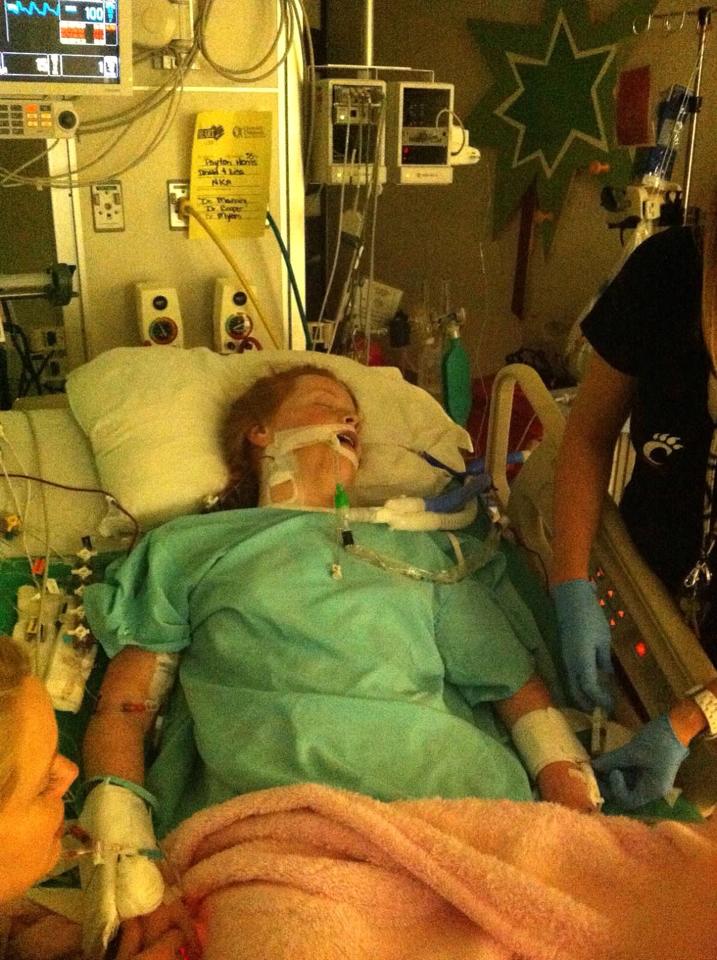 open image in galleryHerres was in urgent need of a heart transplant and doctors didn’t think she wouldn’t make it to her 12th birthday but then Christian and his mother saved her life with the donation (Payton Herres)
Herres told Cutter about her ordeal on the phone call. The mom repeated her generous offer to cover the medication costs, and further yet, pick them up and deliver them to Herres herself.
“When I saw she wanted to pay, it just broke me,” said Herres. “It was one of the most beautiful and most wrong things I've ever experienced.”
“It's beautiful because it showed how deeply she loves me and still loves her son through me. But at the same time, it's wrong because she's already given the ultimate gift,” she added.
At the moment, the most affordable way Herres can secure her medication is by bypassing her insurance completely and using GoodRx coupons, which bring the cost down to $234.86 out of pocket for a 90 day supply — but it’s far from reliable.
“The scary part is that these coupons aren’t guaranteed. They can change [the price] or disappear at any time,” said Herres. “If that happens, I could never afford those prices, and that terrifies me.”
Herres said she can’t take Cutter up on the kind gesture to pay for her medication, nor can she ever repay her for giving her a “second chance at life.”
But to say thank you, Herres bought the mom a blue teddy bear, sprinkled with stars, which plays the sound of Christian’s heartbeat when its right paw is squeezed.
“I let everybody listen to Christian's heart, and it brings tears to our eyes every time,” said Cutter. “It's beautiful. It was a very special gift.”
During their first phone call together, Herres repeatedly thanked Cutter for saving her life.
“I'm forever grateful for Christian and Mary,” said Herres. “They've done a lot for me, and it just breaks my heart that they have to see me go through this.”
“You don't need to thank me,” Cutter replied. “I'm thankful that Christian's heart is beating in your chest.”
More about
organ donationInsuranceHealth InsurancemedicationJoin our commenting forum
Join thought-provoking conversations, follow other Independent readers and see their replies
Comments