- News
- World
- Americas
Pilots say they don’t speak up for fear of losing their licenses
Rajesh Kumar Singh,Dan CatchpoleWednesday 03 December 2025 10:25 GMTComments
 CloseAir India footage shows plane taking off and crashing moments later
The latest headlines from our reporters across the US sent straight to your inbox each weekday
Your briefing on the latest headlines from across the US
Your briefing on the latest headlines from across the US
Email*SIGN UPI would like to be emailed about offers, events and updates from The Independent. Read our Privacy notice
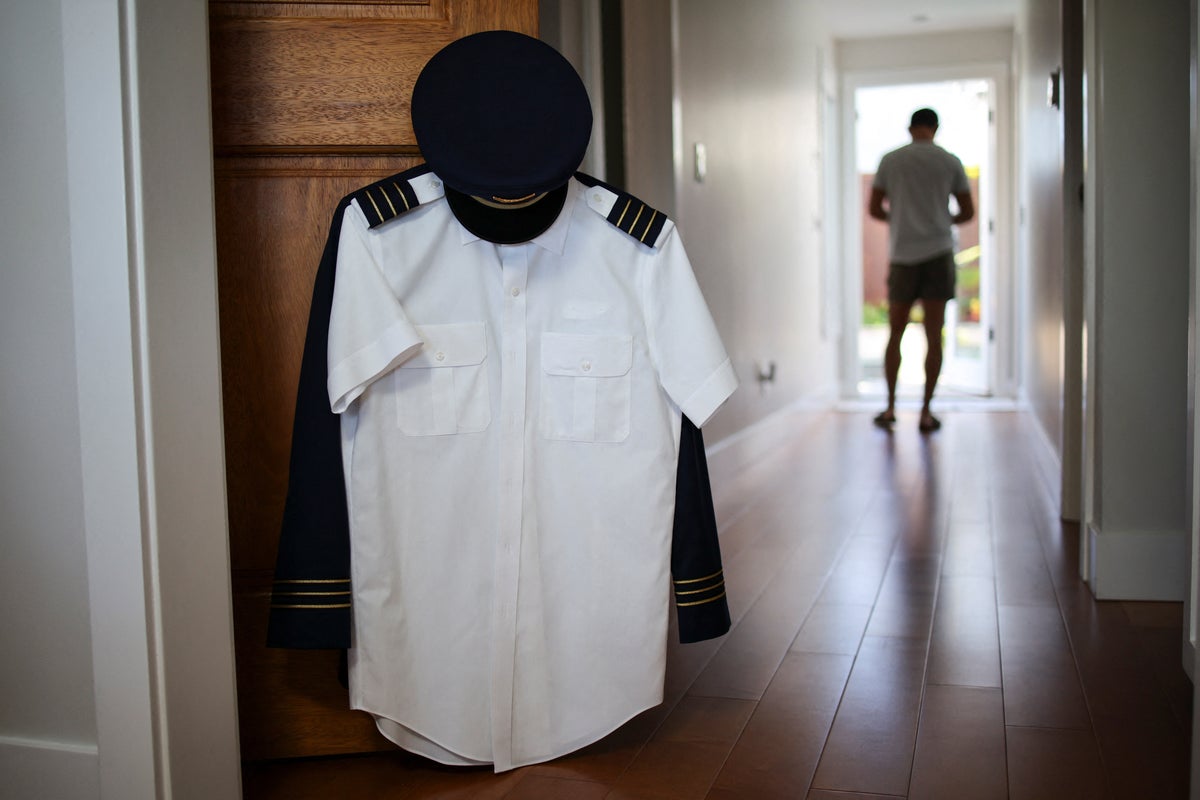
The tragic death of Brian Wittke, a 41-year-old Delta Air Lines pilot, has cast a stark light on the hidden mental health struggles within the aviation industry.
Wittke, a father of three, died by suicide in June 2022, having reportedly resisted seeking help for depression due to fears it would cost him his pilot's licence and livelihood.
His mother, Annie Vargas, said that the pandemic's impact on air travel had exacerbated his mental health challenges. She desperately tried to reach him on the day he died, but his location data was disabled.
His case is not isolated. A Reuters investigation, drawing on interviews with three dozen pilots, medical experts, and industry officials, reveals a pervasive culture where commercial airline pilots conceal mental health conditions.
Many fear that disclosing therapy, medication, or even just seeking support could lead to their license being revoked, jeopardizing their careers and potentially endangering passengers.
At least 24 commercial pilots, from both US and foreign carriers, admitted their reluctance to come forward, citing airline policies, stringent regulatory requirements, and social stigma as key deterrents. This widespread silence, they warned, puts both pilots and the traveling public at undue risk.
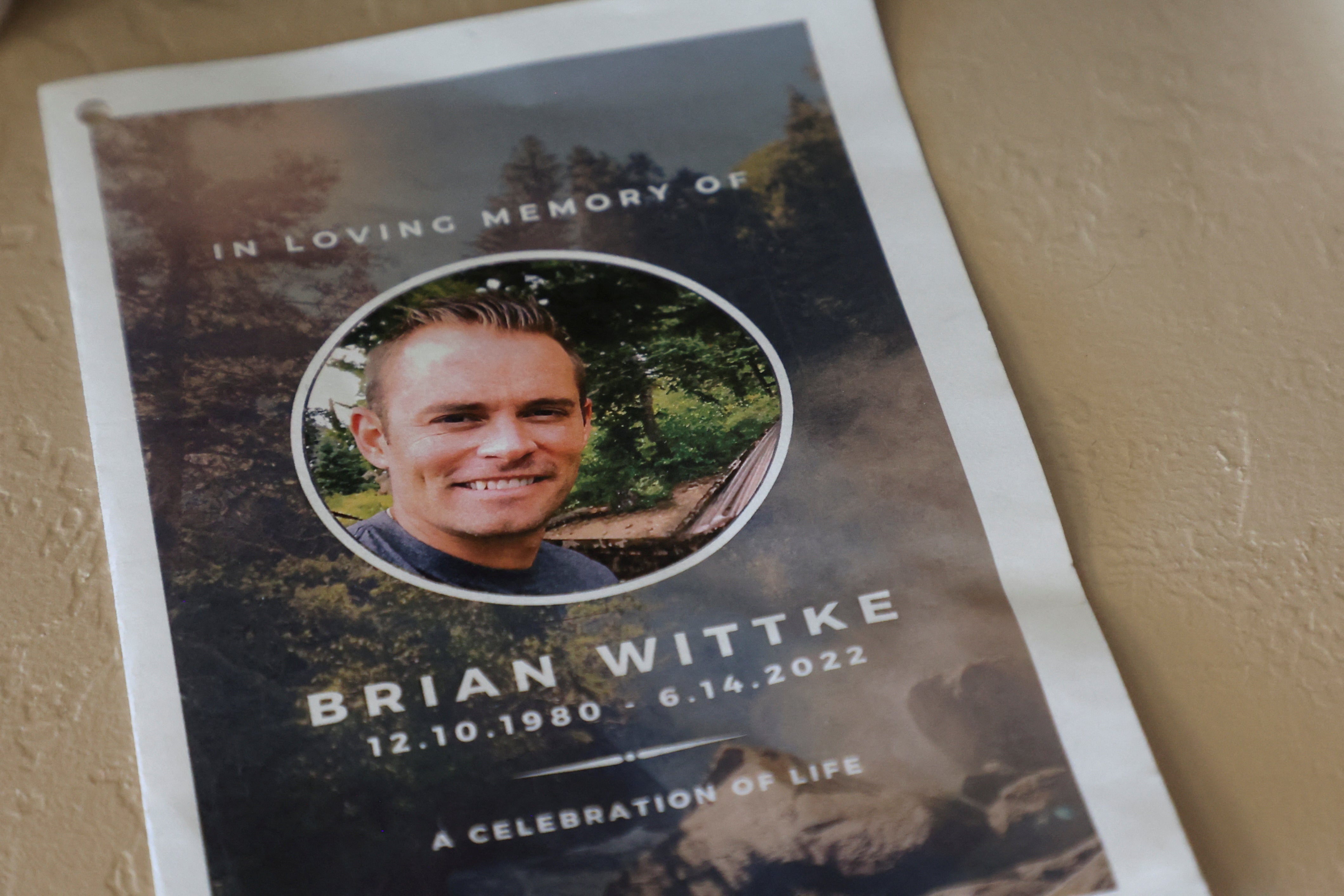 open image in galleryA pamphlet from a celebration of life event for Brian Wittke lies on a memorial shelf at his mother's home in Glendale, Arizona (REUTERS)
‘They shouldn’t be penalized’
"Real people have real problems," Vargas said. "And they shouldn't be penalized for dealing with it."
Vargas said she was speaking out because she hoped that the family's tragedy would challenge the culture surrounding mental health in the aviation industry. The news agency corroborated details of her account with Wittke's wife.
Delta said Wittke was a valued team member and called his death "tragic and heartbreaking." It also said the pilot community had a stigma against seeking mental health services.
Like many major U.S. carriers, Delta offers confidential peer support programs and counseling services for staff. It recently launched a new employee assistance program for pilots, offering access to therapy and coaching and taking into account medical certification requirements.
"We will continue to work tirelessly to deliver additional solutions," the airline said.
In most industries, individuals can seek medical or psychological treatment without involving employers or regulators, such as the Federal Aviation Administration.
Aviation operates under stricter standards: pilots must meet rigorous physical and psychological criteria to maintain their FAA medical certification, in some cases undergoing medical exams every six months. Pilots who report anxiety or depression may be grounded. While mild cases can be cleared quickly, severe conditions require an extensive FAA review that can take up to a year or more.
The FAA said in a statement that it is committed to prioritizing the mental health of pilots and is continually updating its approach based on the best medical science available.
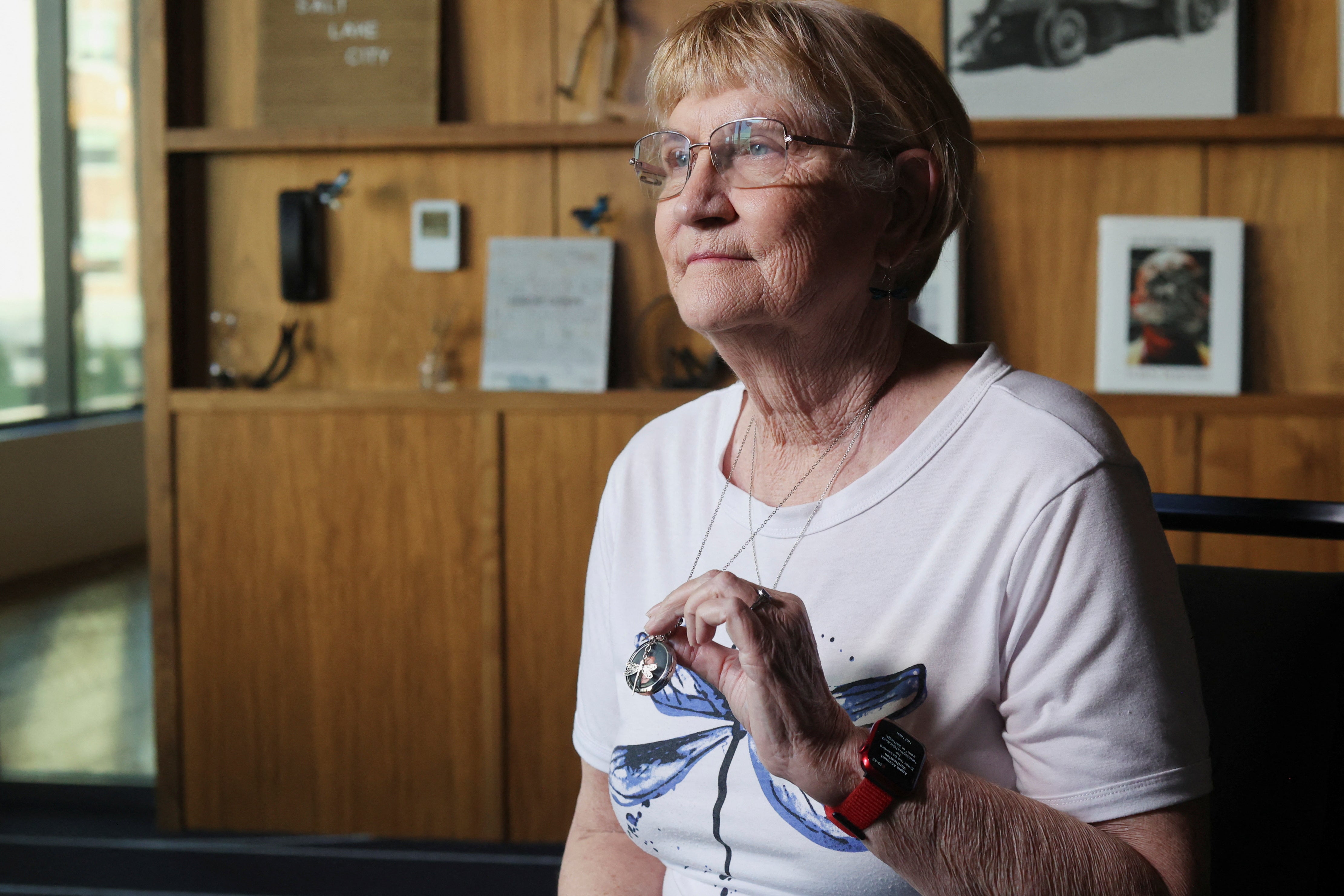 open image in galleryAnnie Vargas holds a necklace with a picture of her son, pilot Brian Wittke, in Salt Lake City, Utah (REUTERS)
‘If you aren’t lying, you aren’t flying’
A decade after a Germanwings pilot with a history of severe depression flew an Airbus A320 jet into a French mountainside, the global aviation industry has yet to formulate a uniform global framework for addressing pilot mental health and stigma remains a major barrier, according to Reuters interviews.
The European Union Aviation Safety Agency requires airlines to offer peer-support programs for pilots and has strengthened oversight of medical examiners.
In the United States, the FAA has broadened its list of approved antidepressants and other medications used to treat mental health conditions. It has established a pathway for pilots who disclose an ADHD diagnosis. Meanwhile, airlines and pilot unions have expanded confidential peer support programs.
Australia's Civil Aviation Safety Authority allows pilots with depression and anxiety to keep their medical certification on a case-by-case basis, even while receiving treatment, if safety risks are managed. Kate Manderson, CASA's principal medical officer, said that her team typically resolves certification reviews in 20 days.
But the gap between policy and perception remains wide. In a 2023 study of 5,170 U.S. and Canadian pilots, more than half reported avoiding healthcare because of concerns about losing flying status. The feeling is captured by a morbid saying in the pilot community: "If you aren't lying, you aren't flying."
Pilot unions, advocacy groups, and industry organizations are urging the FAA to adopt the recommendations of its Aviation Rulemaking Committee – steps to protect pilots who disclose issues and speed their return to duty. In September, the U.S. House of Representatives voted to require the FAA to implement those changes within two years.
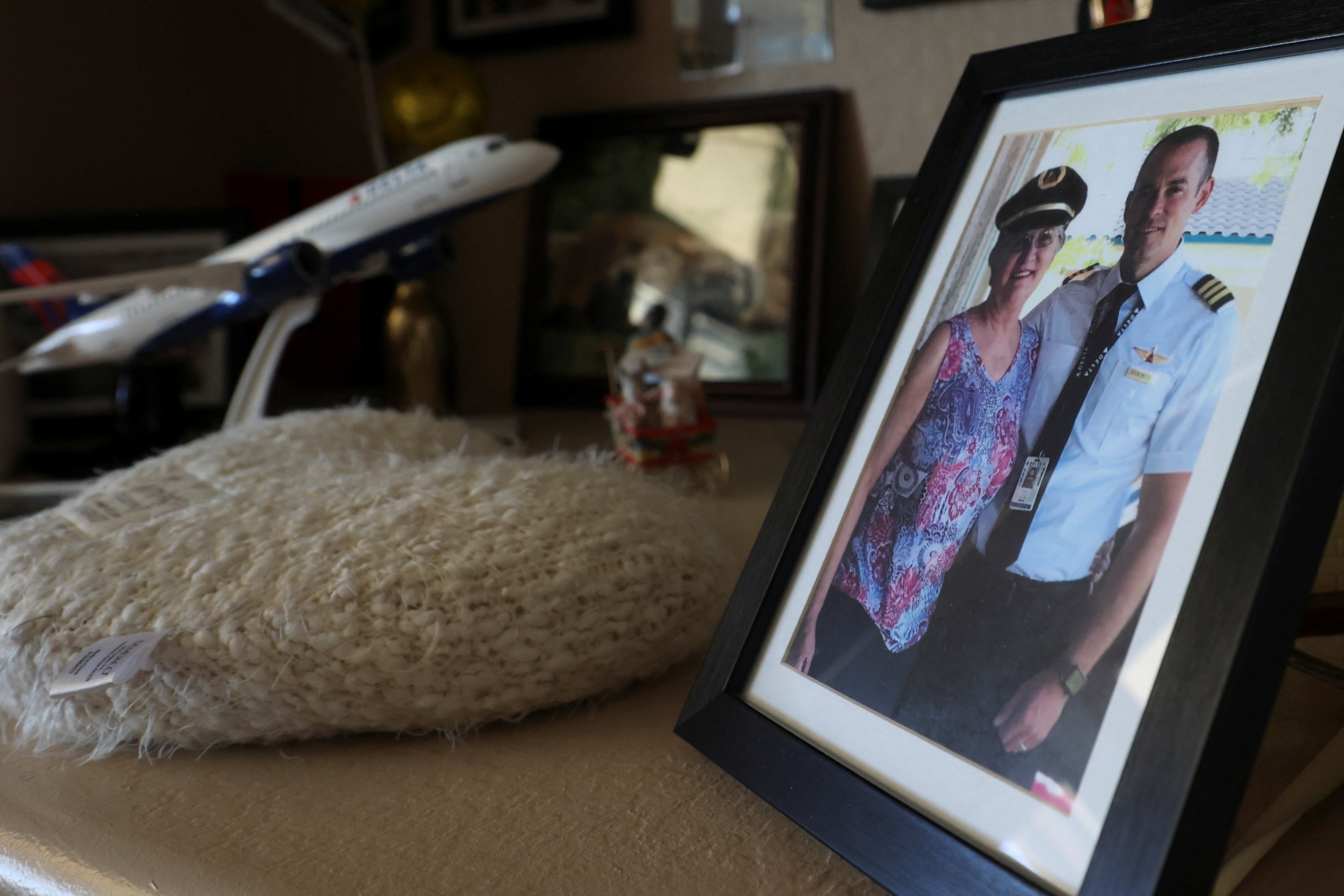 open image in galleryA framed photo of pilot Brian Wittke and his mother Annie Vargas stands on a memorial shelf at Vargas's home in Glendale, Arizona (REUTERS)
‘You just ignore it’
For U.S. commercial airline pilot Elizabeth Carll, 36, those reforms can't come soon enough. In 2021, she was grounded during her pilot training after she disclosed she was on a low dose of an anti-anxiety medication.
After a mandatory six-month waiting period, she waited six months for an appointment with an FAA-approved mental health specialist. The regulator then spent more than a year reviewing her report, only to deem it outdated and order a new exam.
Carll, who worked as a flight dispatcher while training, did not face financial hardship, but she said that any medication change could trigger the same lengthy, costly process.
"The joke is you just ignore it and pretend it doesn't happen because people are afraid that their livelihoods are going to be taken away."
An FAA spokesperson said that the agency is updating its mental health policies and has approved more medications. The spokesperson did not comment on Carll's case when asked, and did not disclose the typical turnaround time to review medical reports for pilots who have undergone mental health treatment.
"We encourage pilots to seek help early if they have a mental-health condition since most, if treated, do not disqualify a pilot from flying," the FAA spokesperson said.
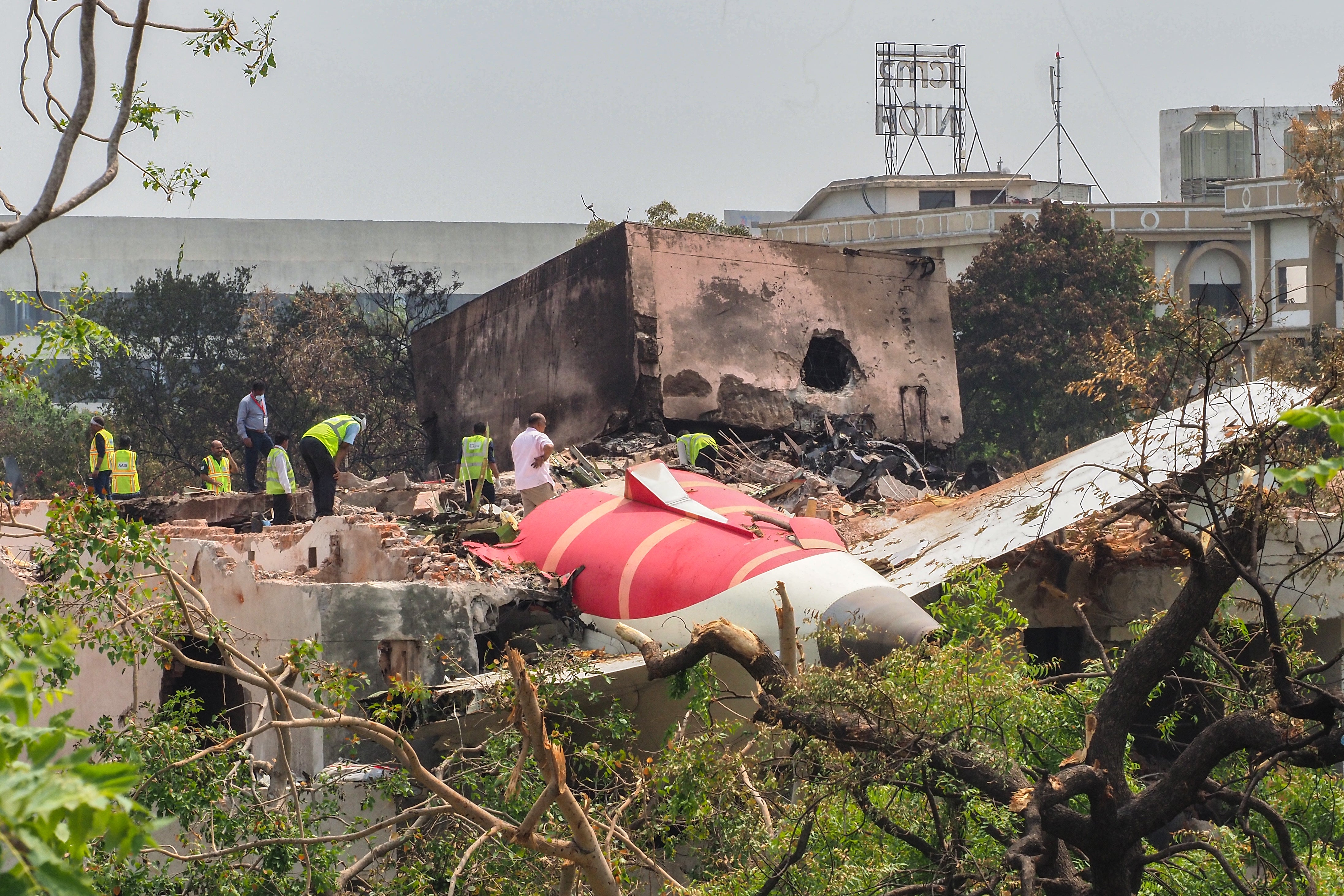 open image in galleryAn investigation team inspects the wreckage of Air India flight 171 a day after it crashed in a residential area near the airport in Ahmedabad on June 13, 2025 (AFP via Getty Images)
Pilot wellbeing returned to the spotlight in June when Air India Flight 171 crashed after takeoff, killing 260 people. A preliminary investigation report found both fuel cutoff switches had been manually moved, ruling out mechanical failure. The final report is months away.
After the crash, the Indian government said Air India recorded a slight increase in pilots taking sick leave across all fleets. The airline responded by directing pilots to a mental wellness app, Reuters found.
Air India did not provide a comment.
In November, former Alaska Airlines pilot Joseph David Emerson was sentenced to time served and three years' probation after pleading guilty to interfering with flight crew and attempting to shut down the engines of a passenger plane in 2023 while riding off duty in the cockpit. Court documents show Emerson told police he was having a nervous breakdown and had taken psychedelic mushrooms, which are sometimes used to treat depression.
He declined to be interviewed for this story.
‘I’m a better pilot today’
When a pilot is grounded for a health concern, the financial fallout can be significant. After using up sick time, they are often placed on disability, which can significantly reduce their income.
Troy Merritt, a 33-year-old U.S. commercial airline pilot, voluntarily grounded himself in December 2022 and started taking medication after realizing depression and anxiety had compromised his ability to fly safely, he said.
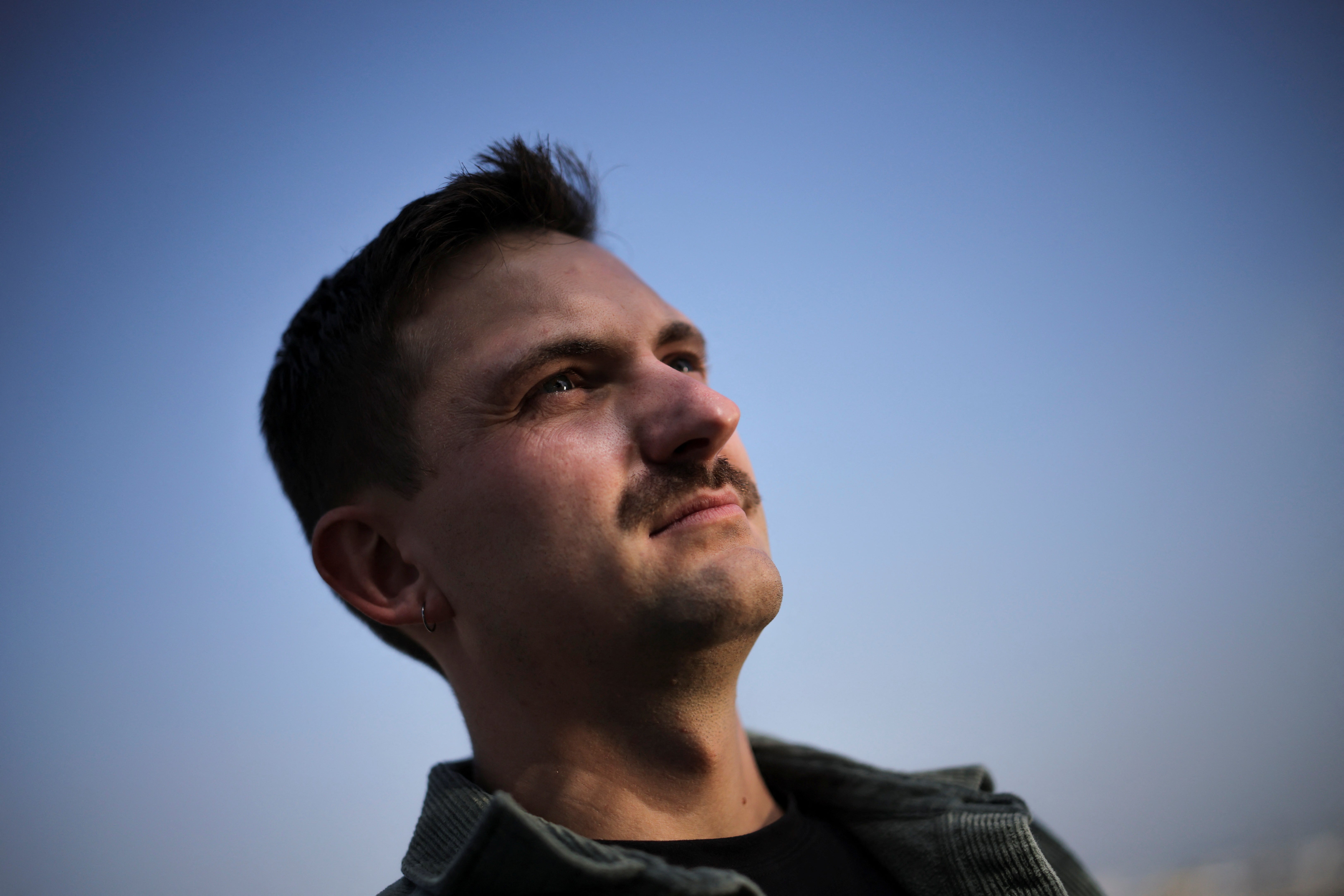 open image in galleryCommercial airline pilot Troy Meritt poses for a portrait outside Los Angeles International Airport (REUTERS)
Getting back in the cockpit meant six months on stable medication and a series of psychological and cognitive tests – some of which were not covered by health insurance.
He said that the process cost him about $11,000, but Reuters could not independently confirm this figure.
The FAA rulemaking committee has identified significant out-of-pocket medical expenses as a major barrier discouraging pilots from seeking care. In a report last year, the committee noted that insurance cover for mental health diagnoses is typically limited, even under comprehensive plans.
By the time Merritt returned to flying, he had been grounded for 18 months and was living on disability insurance. He said pilots should not have to wait six months to reapply for a medical certificate if they respond well to treatment, and that the FAA should review such applications within 30 days.
"Avoiding mental health care opens up the door to pilots who avoid taking care of their health. And that's when problems can arise in the cockpit," Merritt said from his home near Los Angeles International Airport.
Merritt, who spoke on the condition that Reuters did not identify his employer, said that he is living proof that mental health care makes for better pilots in the long run.
After recovering, he trained to fly on larger aircraft and to destinations like Shanghai and Hong Kong, long-haul flights he once found too daunting.
"I'm a better pilot today than I was before," he said.
If you are experiencing feelings of distress, or are struggling to cope, you can speak to the Samaritans, in confidence, on 116 123 (UK and ROI), email [email protected], or visit the Samaritans website to find details of your nearest branch
If you are based in the USA, and you or someone you know needs mental health assistance right now, call or text 988, or visit 988lifeline.org to access online chat from the 988 Suicide and Crisis Lifeline. This is a free, confidential crisis hotline that is available to everyone 24 hours a day, seven days a week. If you are in another country, you can go to www.befrienders.org to find a helpline near you.
More about
Airline pilotsDelta Air LinesMental HealthdepressionJoin our commenting forum
Join thought-provoking conversations, follow other Independent readers and see their replies
Comments