- News
- UK
- Home News
Defra officials say standards could be tightened for new stoves to lower emissions
Harry CockburnMonday 01 December 2025 17:17 GMTComments
 CloseFamily of raccoons rescued from wood-burning stove
Get the free Morning Headlines email for news from our reporters across the world
Sign up to our free Morning Headlines email
Sign up to our free Morning Headlines email
Email*SIGN UPI would like to be emailed about offers, events and updates from The Independent. Read our Privacy notice
Labour ministers are considering stricter rules on wood‑burning stoves to help reduce air pollution.
Following the publication of the government’s updated environment plan (EIP), a consultation will begin on measures to reduce the impact of burning wood.
It could see a tightening in standards for new stoves to lower emissions, as well as introducing clearer labelling.
But Defra officials told The Independent they were not planning to consult on banning domestic burning by geographical area, or to seek a ban on the use of older stoves that have already been sold.
Furthermore, there are no plans to change rules for Smoke Control Areas, active in many parts of the county, where people can only burn authorised fuel. “Those using stoves that comply with current SCA rules will not have to stop using them,” Defra said.
Wood burners are a key source of PM2.5 particulate emissions, which have been linked to an array of health conditions in humans, including asthma, lung disease and heart conditions.
The new target for air pollution announced by the government as part of the updated EIP is to bring PM2.5 levels down by 30 per cent compared to what they were in 2018 – to be achieved by December 2030.
The previous target was a 22 per cent reduction to be achieved by 2028.
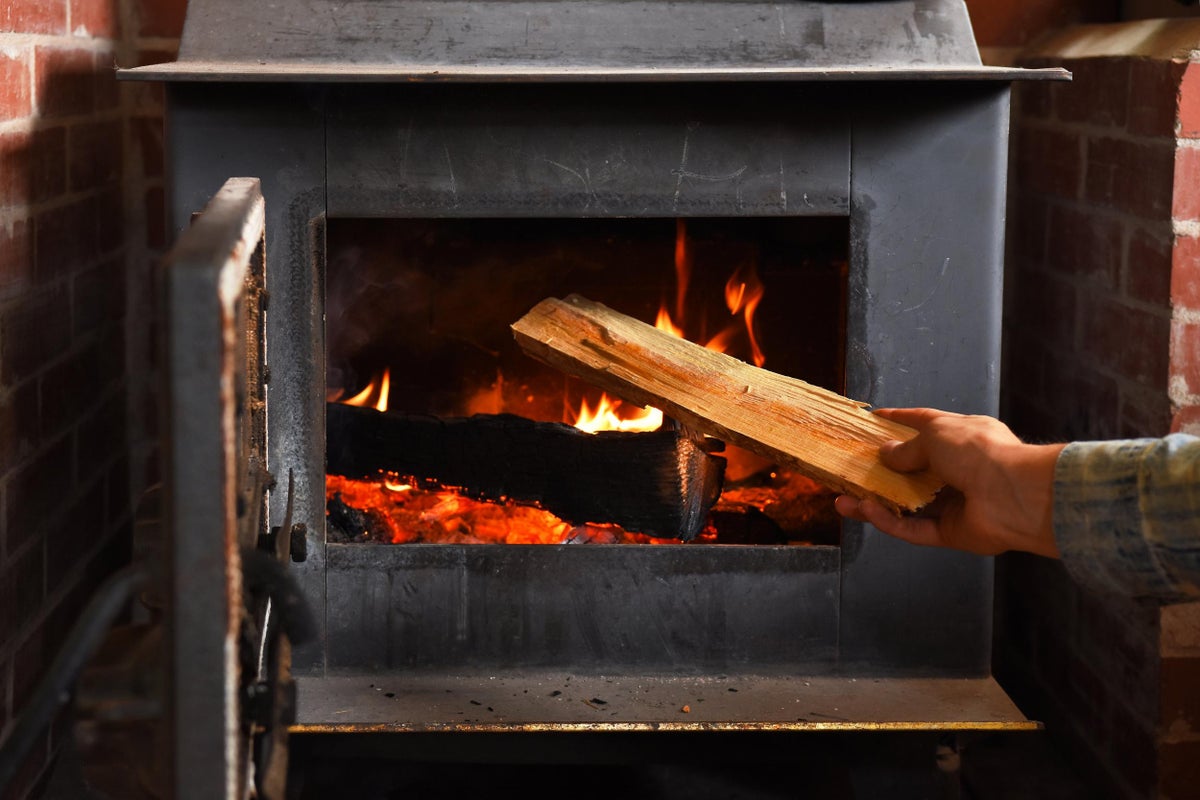
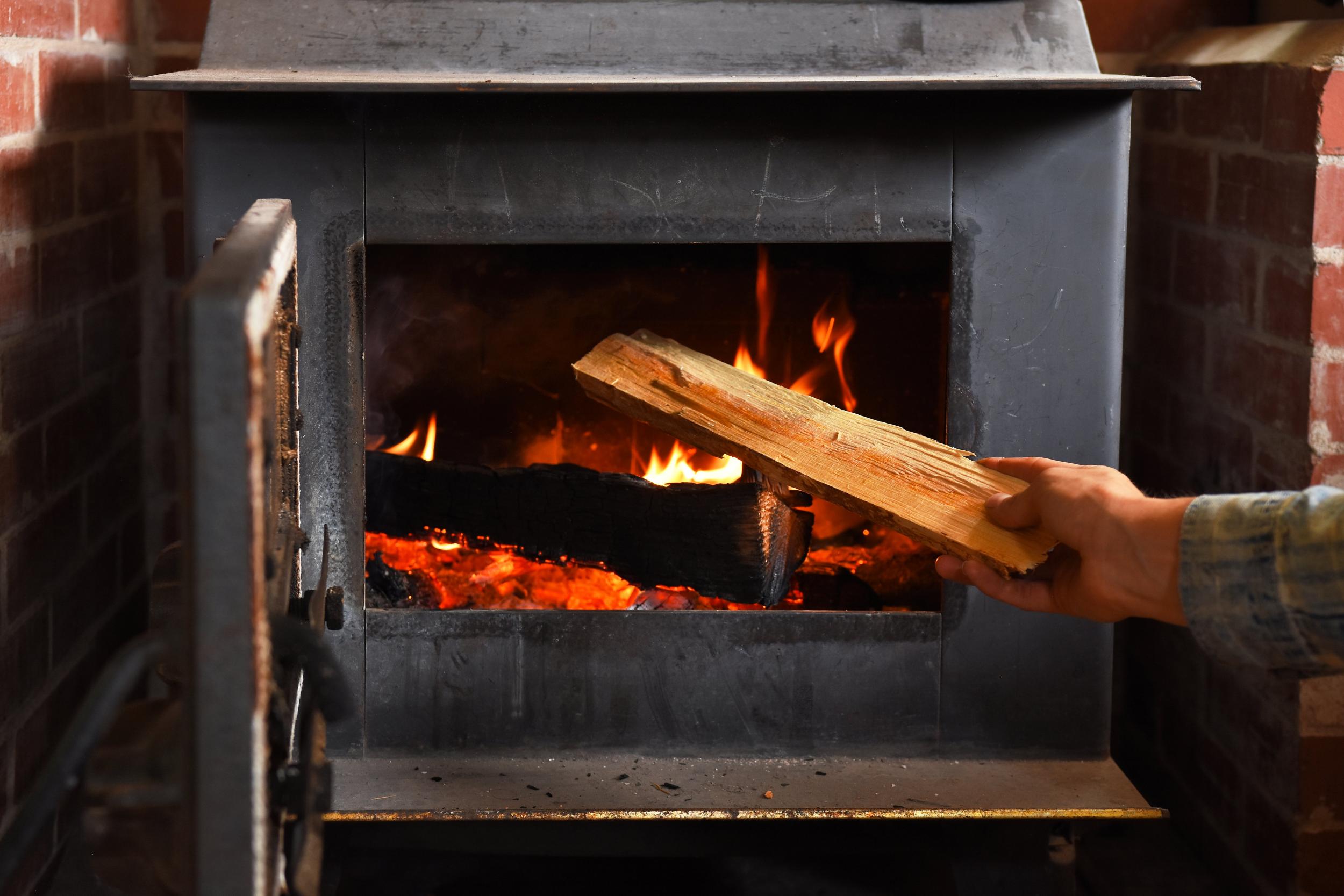 Wood-burning stoves are a source of the pollutant PM2.5 (Getty/iStock)
Rosamund Kissi-Debrah, whose nine-year-old daughter died from an asthma attack linked to air pollution in 2013, welcomed the new PM2.5 goal, as a "win".
Ms Kissi-Debrah has been campaigning for "Ella's Law", which would require the government to achieve clean air throughout England by January 1 2030, setting out a pathway to bring the country in line with World Health Organisation air pollution guidelines.
"It's not quite Ella's Law yet, but it's a step in the right direction," she said. "So because of that I'm pleased. Anything that's going to improve the air, and that means less children are going to be hospitalised and less children are going to die, I am always going to be for it.”
The Stove Industry Association said it welcomed the government’s stance.
Executive director Erica Malkin told The Independent: “We welcome the government’s measured approach to domestic combustion outlined in the environmental improvement plan. The EIP recognises that many households rely on solid fuel secondary heating for affordable warmth, energy security and resilience, particularly in rural and off-grid areas.”
She said that modern ecodesign stoves offer substantial reductions in particulate emissions compared to older appliances and open fires.
She added: “We share the government’s ambition to improve air quality while ensuring that those who need or want to burn are not unfairly penalised.”
Beyond air pollution, the updated EIP, published on Monday, includes £500m in funding towards the creation of a quarter of a million hectares of “wildlife-rich habitats” which will be created or restored by 2030.
Environment secretary Emma Reynolds said: “Our environment faces real challenges, with pollution in our waterways, air quality that's too low in many areas, and treasured species in decline.
“This plan marks a step change in restoring nature. Our ambitious targets are backed by real action to cut harmful air pollutants, revive habitats and protect the environment for generations to come.”
But environmental campaign groups have said the plan represents “baby steps”, and that much more needed to be done to help the natural world on a much faster timeline.
Beccy Speight, RSPB chief executive, said: "The gap between where we are now and where we need to be in terms of nature restoration grows wider the longer we wait for meaningful action. The scale of the problem is huge, nearly one in six species in Great Britain faces extinction – from hedgehogs to curlews – the loss is big, real and it's accelerating.”
Kevin Cumming, rewilding director of Rewilding Britain, said: “Despite some welcome baby steps and tinkering at the edges – and although its good ministers want to see our protected landscapes wilder and more accessible – the UK government’s environmental improvement plan is woefully unambitious when it comes to tackling the biodiversity and climate emergencies through large-scale nature restoration.”
More about
air pollutionDefraHeatemissionsEnvironmentNatureJoin our commenting forum
Join thought-provoking conversations, follow other Independent readers and see their replies
Comments