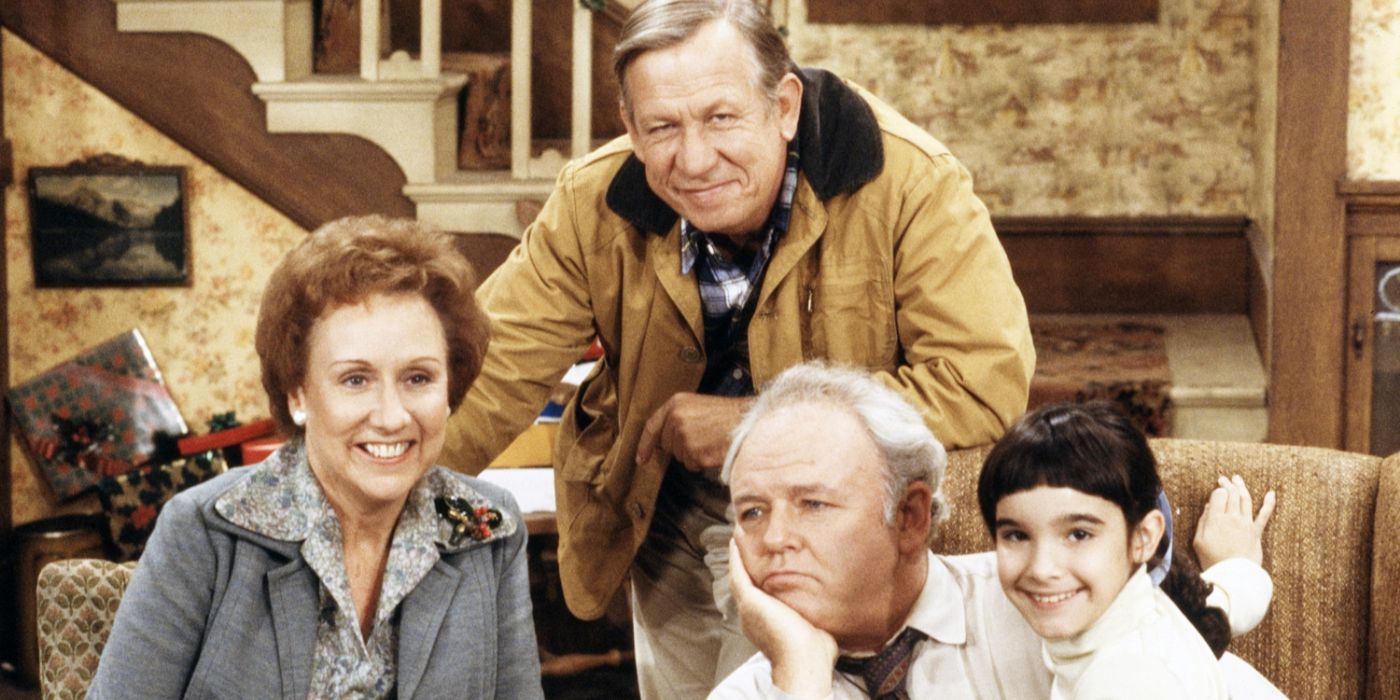
 Maureen Stapleton, Allan Melvin, Carroll O'Connor, and Danielle Brisebois from All in The FamilyImage via Farooz Zahedi / TV Guide / ©CBS / courtesy Everett Collection
 By
Amanda M. Castro
Published 22 minutes ago
By
Amanda M. Castro
Published 22 minutes ago
Amanda M. Castro is a Network TV writer at Collider and a journalist based in New York. Born and raised in Puerto Rico, Amanda is a bilingual Latina who graduated from the University of New Haven with a degree in Communication, Film, and Media Studies. She covers the world of network television, focusing on sharp, thoughtful analysis of the shows and characters that keep audiences tuning in week after week. At Collider, Amanda dives into the evolving landscape of network TV — from long-running procedural favorites to ambitious new dramas — exploring why these stories matter and how they connect with viewers on a cultural level.
Sign in to your Collider account Summary Generate a summary of this story follow Follow followed Followed Like Like Thread Log in Here is a fact-based summary of the story contents: Try something different: Show me the facts Explain it like I’m 5 Give me a lighthearted recapThe 1970s represent one of the most pivotal periods in American television history, as they gave rise to popular sitcoms that confronted the nation’s cultural attitudes head-on. The two most iconic programs created during this period – Sanford & Son and All In The Family, which were based on British programs that had already dealt with the same subject matter but with a grittier, more visceral quality than their American interpreters, were actually very different in numerous aspects from those British shows, yet they maintained a strong connection with them. Thus, to understand how these shows changed American television forever, we must first explore the UK versions of these sitcoms, which laid the foundation for their American transmissions.
How 'Sanford and Son' Reimagined a Grittier British Classic
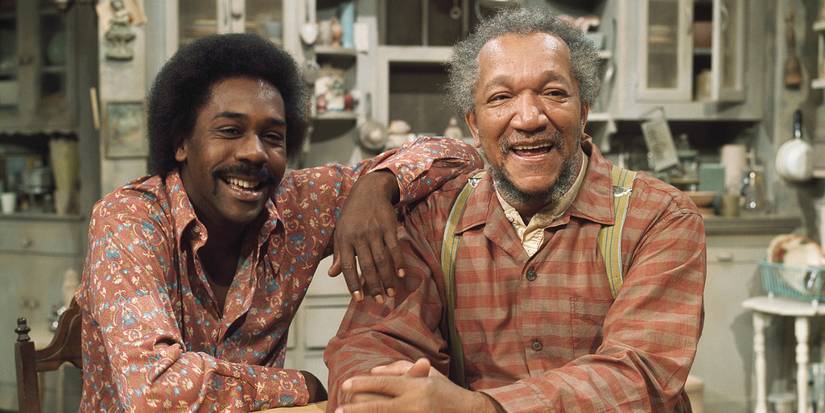 Redd Foxx and Demond Wilson sitting at a kitchen table and smiling in Sanford and Son.Image via NBC
The father-son comedy duo of Harold (Harry H Corbett) and Albert Steptoe (Wilfrid Brambell) was seen in the BBC sitcom Steptoe and Son long before Redd Foxx ranted from the junkyard in Watts. However, both shows shared a similar theme — two mismatched characters who were constantly reminded they were stuck in an unending cycle of poverty and despair. The British version of the show set the mood by providing a cramped setting with strong emotional undertones that hinted at the trapped lives of Harold and Albert. Unlike the American version, where Albert was much more physically able to handle the rigors of his job, the British version placed much greater emphasis on the hardships of working-class life, contributing to the show's darkly humorous tone.
When Norman Lear and Bud Yorkin adapted the series for NBC in 1972, they kept the basic structure but changed nearly everything about its energy. Sanford and Son had a liveliness Steptoe never attempted. Foxx’s Fred Sanford was loud, cunning, proudly bigoted, and hilariously theatrical — a man who used schemes and bluster to mask insecurities he’d never admit, and Demond Wilson’s Lamont became less of a worn-down caretaker and more of a frustrated straight man trying to keep his father’s chaos in check.
 Related
10 Classic Tropes Every Great Sitcom Has
Related
10 Classic Tropes Every Great Sitcom Has
Add a few tropes, and baby, you've got a stew going!
Posts 1 By Brad LaCour Dec 15, 2024How 'All in the Family' Softened and Expanded a British Provocateur
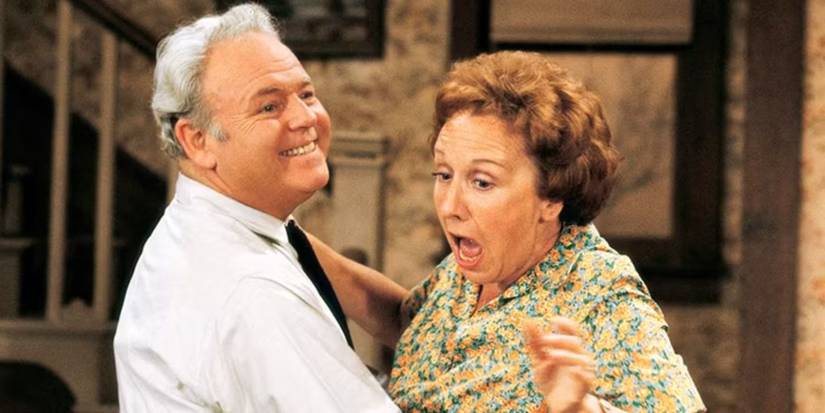 Archie and Edith Bunker embracing in All in the Family.Image via CBS
Sanford and Son offered a more optimistic interpretation of the working-class family comedy than All in the Family, which takes a somewhat gentler approach to a show that was already doing more than its share of boundary pushing. While the original series debuted in 1965, Till Death Us Do Part tells the story of Alf Garnett (Warren Mitchell), a man with such deep-seated prejudices that he often dominates the plot. His wife, Else (Dandy Nichols), is portrayed as an equally aggressive counterpart to her American counterpart and displays a much more severe claustrophobia in their various living quarters.
Lear and Yorkin didn’t hide the influence when they launched All in the Family in 1971. Archie Bunker (Carroll O'Connor) was clearly modeled on Alf, but the character’s edges were filed down enough to make him both maddening and strangely relatable to a broader U.S. audience. Jean Stapleton’s Edith, unlike Else, brought warmth and vulnerability to the role, grounding the series in a family dynamic that felt messier and more affectionate at the same time.
While the British series thrived on the raw hostility between generations, All in the Family used that setup to explore subjects American TV had barely touched: Racism, gender roles, religion, war, sexuality, and the changing political identity of the country. The original may have had more bite, but the U.S. version had scale — and an uncanny sense of timing. Its breakout success turned the show into the centerpiece of a national conversation and set new expectations for what sitcoms were allowed to tackle.
Why American Versions Feel Warmer — and Why It Worked
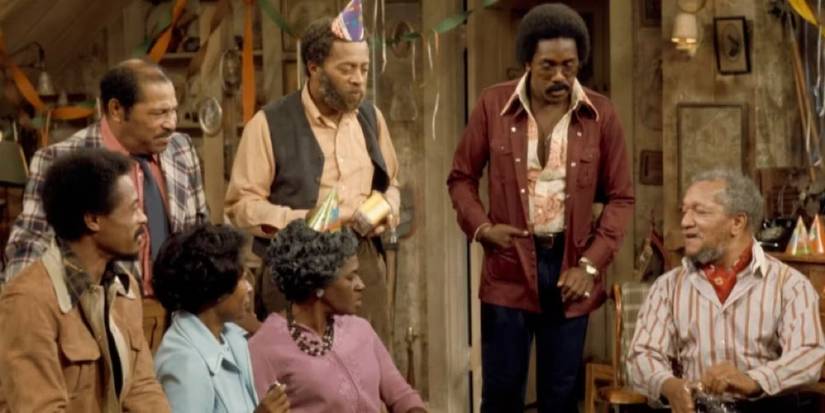 The cast of Sanford and Son Image via NBC
When comparing Steptoe and Son to Sanford and Son, or Till Death Us Do Part to All in the Family, you will see a clear pattern: UK productions generally have a more cynical and harsher take on a topic. In contrast, US productions seem to have added heart, emotion, compassion, and a sense of humor, making the most abrasive individuals truly three-dimensional.
Part of this shift came from necessity. U.S. network comedies in the ’70s were built for mainstream audiences, which meant pushing boundaries with one hand while keeping viewers comfortable with the other. But the shift also speaks to the strengths of Lear and Yorkin as adapters. They knew when to stay faithful and when to reshape. They kept the essential tensions — generational divides, class anxieties, and stubborn worldviews — but embedded them in characters viewers wanted to return to every week.
As a result, two productions based on older British ideas evolved into something which expressed Masters' and Johnson's distinctive American point of view and expressed their humor. Both addressed social issues such as discrimination and expressed the concerns of a community in constant change through comedy that highlights the contradictions of daily life. These two productions were not simple remakes of earlier versions; they were reimaginings that opened new possibilities for what television comedies could achieve.
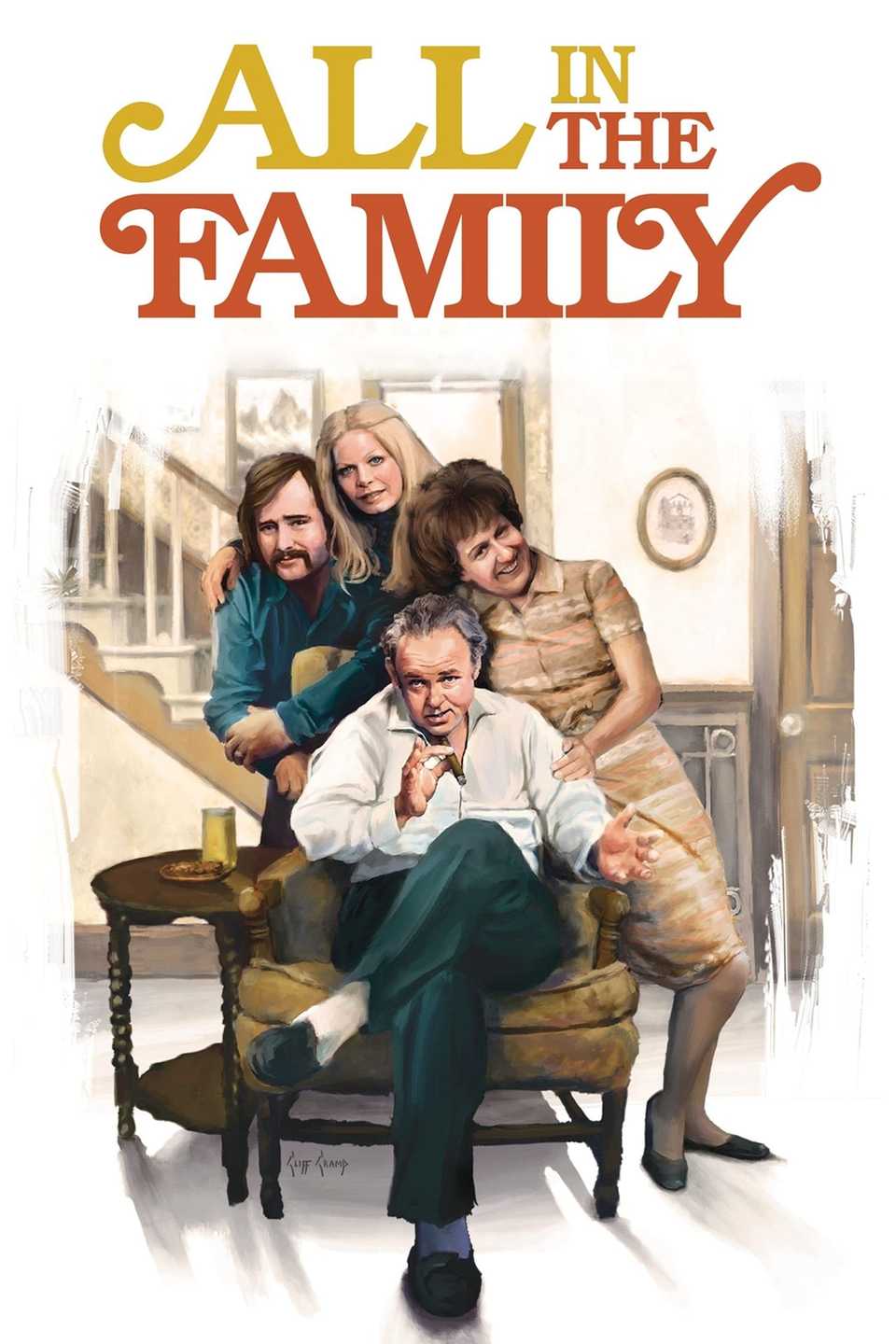 All In The Family
TV-PG
Comedy
Drama
Release Date
1971 - 1979-00-00
Genres
Comedy, Drama
Powered by
All In The Family
TV-PG
Comedy
Drama
Release Date
1971 - 1979-00-00
Genres
Comedy, Drama
Powered by
 Expand
Collapse
Expand
Collapse
-
 Sanford and Son
We want to hear from you! Share your opinions in the thread below and remember to keep it respectful.
Be the first to post Images Attachment(s) Please respect our community guidelines. No links, inappropriate language, or spam.Your comment has not been saved
Send confirmation emailThis thread is open for discussion.
Be the first to post your thoughts.
- Terms
- Privacy
- Feedback
 Feb 21, 2025
The 20 Best Sitcom Families, Ranked by Likability
 3 hours ago
This Twisted Sci-Fi Horror Is One of Stephen King's Most Underrated Adaptations
 16 hours ago
Are These 10 Timeless Movies Christmas Classics or Not?
 16 hours ago
The 10 Most Groundbreaking Miniseries Ever, Ranked by Importance
What To Watch
 July 20, 2025
The 72 Best Movies on Netflix Right Now
Trending Now
July 20, 2025
The 72 Best Movies on Netflix Right Now
Trending Now
 Netflix Had One of the Best Fantasy Series Ever, but Cancelled It After 2 Seasons and Outraged Fans
 The 10 Most Essential Animated Movies of the Last 100 Years, Ranked
 Prime Video's Cancelled Easy-To-Binge Thriller Is a Netflix Streaming Sensation

