 By Hugh CameronShareNewsweek is a Trust Project member
Sellers are taking houses off the market at historically high levels, a trend that is “propping up home prices” but which signals ongoing reluctance among buyers in the market, according to new research.
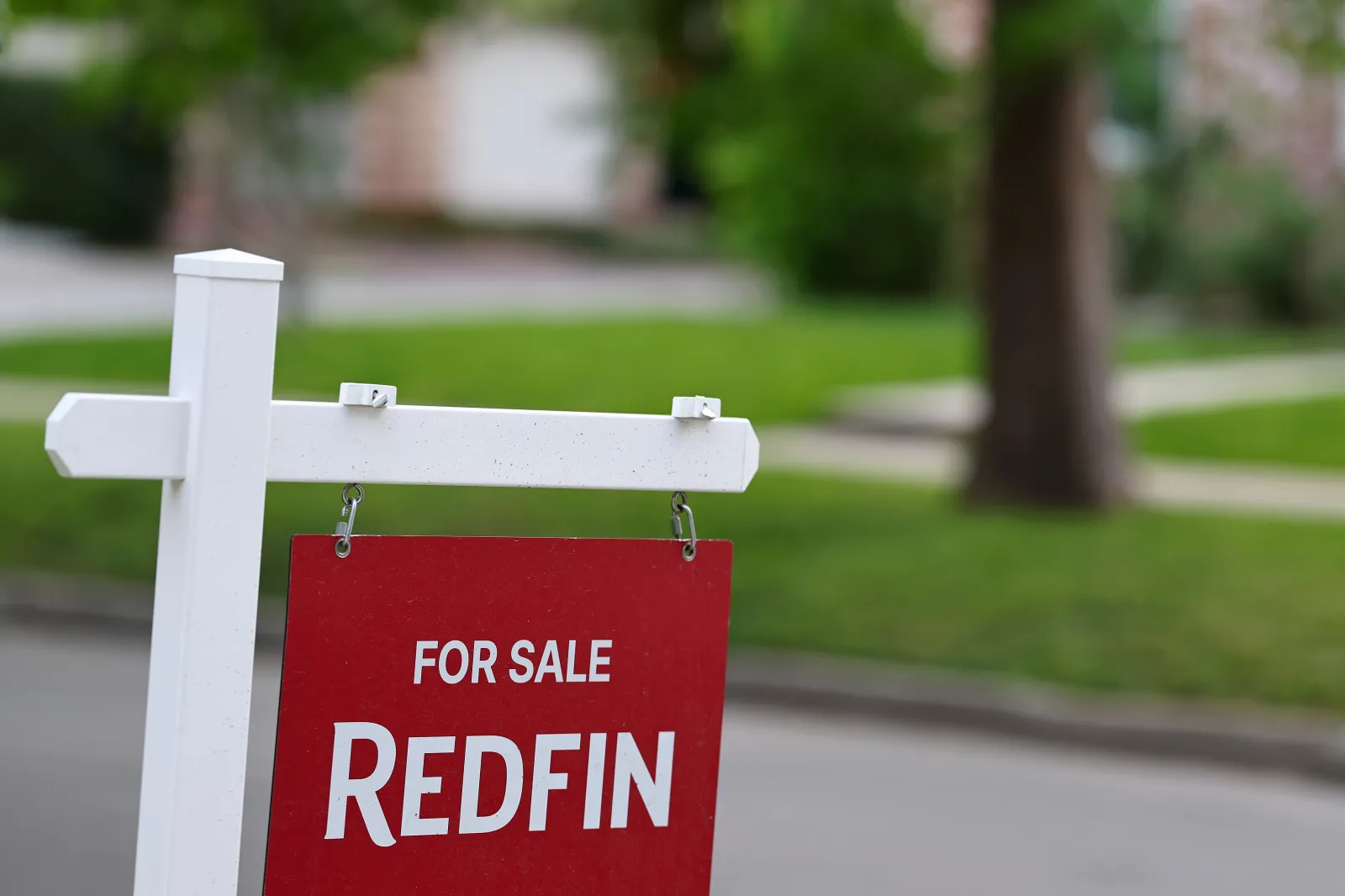
Analysis at real estate company Redfin found 84,278 homes were delisted in September, a 28 percent increase from a year ago and marking the highest tally for the month since 2017.
“More sellers are giving up because their homes have been sitting on the market for a long time,” said Asad Khan, a senior economist at Redfin, “and they don’t want to or can’t afford to settle on accepting a low price.”
Why It Matters
The housing market has been plagued by weak demand in 2025, leading to plateauing prices, ballooning inventory levels, and a widening gap between buyers and increasingly desperate sellers. The former are grappling with still-elevated prices and broader affordability issues, while the latter appear increasingly unwilling to adjust expectations in line with current market conditions.
What To Know
Nationwide, Redfin's research suggested 5.5 percent of all listed homes were taken off the market in September, up from 4.8 percent last year and marking the highest rate in a decade. Florida, whose housing market has long been mired in difficulty, led the nation in delistings in September, with Texas also experiencing high levels.
“Sellers are delisting because so many listings are going stale; many homeowners would rather stay put than accept a low offer,” Redfin wrote in its report.
The jump in “stale” listings—homes sitting on the market for over 60 days—was cited among the principal reasons for September’s surge, fueled by slow demand as high mortgage rates and more economy-wide affordability issues continue to discourage prospective buyers. Redfin noted that past surges coincided with periods when mortgage rates were elevated, but that delistings have been on an upward trend since spring of 2024.
However, the notable increase in delistings could also be attributed in part to an overall growth in listings, which rose 8 percent in September compared to a year prior.
 ...
...Approximately 15 percent of the homes delisted in September were at risk of going for a loss, the highest percentage in 5 years, and Redfin said “many of those sellers likely made the difficult decision to pull their home off the market because they weren’t willing to lose money.” Alternatively, some sellers “would rather pull their home off the market and rent it out than sell for less money than they want.”
Redfin said the rise in delistings had offset what would be the typical consequence of “tepid homebuying demand,” and preventing prices from plummeting.
“When tens of thousands of homeowners pull their homes off the market rather than accept a low offer, it effectively reduces the supply of homes that are actually available for buyers,” wrote Khan. “That keeps sale prices elevated.”
What People Are Saying
Redfin senior economist Asad Khan said: “Many homeowners who bought during the pandemic demand frenzy still expect sky-high prices. They remember a seller’s market, so they’re hesitant to yield to buyers who want to negotiate the price down and/or ask for concessions.
“Recent buyers are also more likely to be testing the market; maybe they would sell and move up to a bigger home in a more desirable neighborhood if they get the price they want, but otherwise they’d stay put. Longtime owners, though, are more motivated to sell–they’re often downsizing or relocating for retirement.”
What Happens Next
Redfin said that about 20 percent of the homes that were delisted in the summer were placed back on the market within a few months, and noted that delisting “is sometimes used as a selling strategy.”
While affordability issues continue to plague prospective buyers and low demand weighs on existing owners, experts are pointing to things such as easing mortgage rates as a sign that the housing market may be beginning to stabilize.
Request Reprint & LicensingSubmit CorrectionView Editorial & AI Guidelines Add Newsweek as a preferred source on Google to see more of our trusted coverage when you search.
Recommended For You
 NewsThe World Has a New Largest City3 min read
 NewsThanksgiving Winter Storm Live Tracker, Updates as Heavy Snow to Hit1 min read
 NewsWho Is Bruna Ferreira? Mother Of Karoline Leavitt’s Nephew Arrested By ICE2 min read
 PoliticsEpstein Files: Massie Accuses Patel of ‘Troubling Deflection’ on Release2 min read
 NewsMike Johnson’s Impression of a 104-Year-Old Black Man Takes Off Online1 min read
 NewsUncommon Knowledge: Don’t Blame Trump for the Gerrymander Paradox8 min read
Related Podcasts
Top Stories
 WorldPutin Gives Update on Ukraine Peace, Trump Sending Witkoff to Moscow: Live Updates3 min read
 NewsUncommon Knowledge: Don’t Blame Trump for the Gerrymander Paradox8 min read
 NewsMarjorie Taylor Greene Like ‘Canary in Coal Mine’ for GOP: Ex-House Speaker4 min readLive BlogThanksgiving Winter Storm Live Tracker, Updates as Heavy Snow to Hit1 min read
 PoliticsDonald Trump’s Georgia Election Interference Case Dropped by New Prosecutor2 min read
 U.S.Kristi Noem Among Those Named in Judge’s Criminal Inquiry: Full List2 min read
Trending
 MoneyNew ‘Cash Law’ Could Change Grocery Store Rules3 min read
 SnowfallWinter Storm Warning Issued As 25 Inches of Snow To Strike5 min read
 U.S. Economy‘Mass Blackout’ Starts Today: What to Know3 min read
 Home PricesPrice Correction ‘Worse Than 2008’ Coming To US Housing Market—Analyst5 min read
 ArkansasRepublican Switches Party To Democrats Amid Concerns About Affordability3 min read
Opinion
 OpinionThanksgiving in America | Opinion5 min read
 OpinionWhen Strength Becomes a Burden—Reimagining the Strong Black Woman | Opinion4 min read
 OpinionConventional Wisdom: Trump Turkey Pardoning Edition3 min read
 OpinionDoes the US Need a Third Political Party? Newsweek Contributors Debate5 min read
 OpinionGOP Rep.: The U.S. Must Close Critical AI Chip Export Loophole Exploited by China | Opinion5 min read