- Travel
- News & Advice
The Man Who Pays His Way: Passengers will save hundreds of pounds on ticket prices, but could the government have gone further?
Simon CalderTravel Correspondent Wednesday 26 November 2025 13:12 GMTComments
 CloseWhat the rail fare freeze means for passengers
Sign up to Simon Calder’s free travel email for expert advice and money-saving discounts
Get Simon Calder’s Travel email
Get Simon Calder’s Travel email
Email*SIGN UPI would like to be emailed about offers, events and updates from The Independent. Read our Privacy notice
Rachel Reeves, in the autumn Budget, has announced a freeze on train ticket prices for the first time in 30 years.
The announcement applies to England and services run by English train operating companies. Ministers said the move will save millions of rail travellers hundreds of pounds off season tickets, peak and off-peak returns between major cities.
But what does the change really mean for rail passengers?
The public believes rail fares constantly rise. That is hardly surprising: in the average year we are told numerous times that tickets are about to cost more. Every year for decades I have diligently reported on each stage, whether that’s via the August retail price index indicator or the actual November rail price release.
 open image in galleryAn Avanti West Coast train at Manchester Piccadilly station (Avanti West Coast)
For 2026, it’s different. Rather than putting up ticket prices by a painful 4.8 per cent (last July’s RPI), the government is keeping them as they are. “We’re choosing to freeze rail fares for the first time in 30 years,” says chancellor Rachel Reeves.
That doesn’t guarantee that no tickets will cost more. The government controls only “regulated” fares. These comprise season tickets in the London area, anytime tickets around major cities and many off-peak return tickets on long-distance journeys.
More than half of fares are unregulated, including that London-Manchester ticket. But I imagine the transport secretary Heidi Alexander would have a stern word if Avanti West Coast were to propose putting up the cost beyond £200.
For the first time in living memory, everyone appears in favour of a government decision on rail fares. Alex Robertson, chief executive of the passenger watchdog, Transport Focus, called it “extremely welcome news for rail passengers who consistently tell us value for money is their highest priority”.
Recommended Driver-only operation: The confusing issue dividing the nation’s railways
 ‘Splitting tickets’ can halve the cost of Christmas train trips
 I rode Britain’s ‘best wifi-connected train’ – this is my verdict
Mick Whelan, general secretary of train drivers’ union Aslef, said: ‘We are pleased that after 14 years of the Tories pricing people off our railways, this Labour government is helping people to commute to work and travel for pleasure.”
And Mark Smith, the British Rail manager turned international rail guru, told me: “I’m tempted to say, about time! We’ve seen the real cost of motoring fall repeatedly for years. Fuel duty has been frozen since 2011 and was actually cut in 2022.”
In the Budget, that tradition was maintained – with motorists given another tax break, until September 2026 at least, which will cost £2.4bn next year. Those optimistic about a move from rail to road are disappointed; this would have been the ideal year to start raising fuel duty.
I do not own a car, and I spend a fortune on rail travel (in the past week alone, around £200) and will benefit from what is, in effect, a decision to make long-suffering taxpayers pay even more to keep the trains running – even though many of them never go near a train.
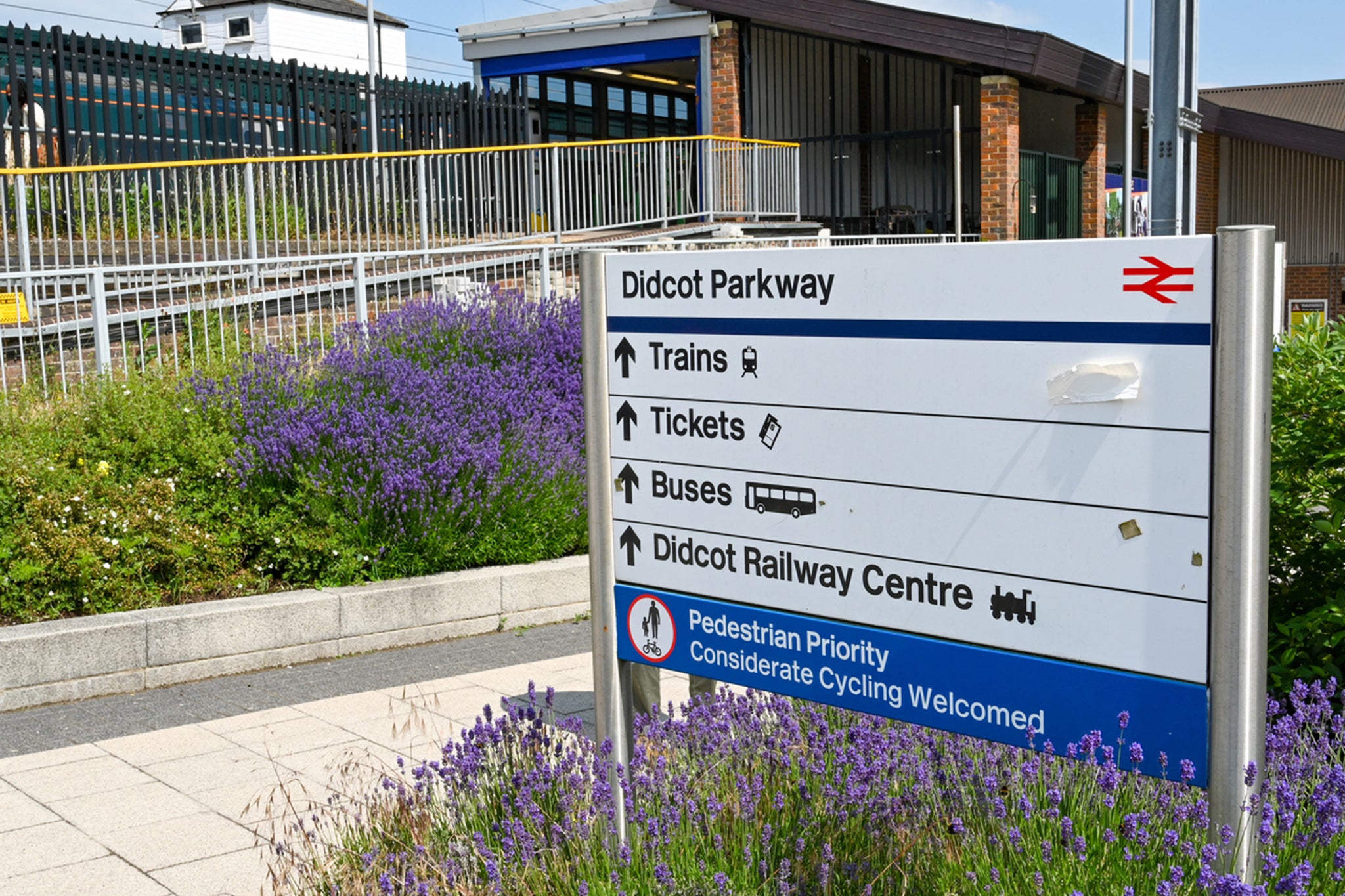 open image in galleryThe journey from Didcot Parkway to Swindon is the most expensive main line trip in Britain (Getty/iStock)
Yet the announcement conceals a failure to reform Britain’s outdated, labyrinthine rail fares system. Train tickets are ridiculously complicated and anomalous. One day, a government will be brave enough to overhaul them and lure more people on board.
Instead, ministers are largely giving existing passengers like me a break: welcome, but neither essential nor transformational.
More radical action is needed. How about a half-price national railcard that anyone can buy? Germany and Switzerland sell them for £200 and £100 respectively. It would provide a meaningful incentive to choose rail over road. Crucially, it would also build loyalty: a quality that the railways, like political parties, desperately need.
Simon Calder, also known as The Man Who Pays His Way, has been writing about travel for The Independent since 1994. In his weekly opinion column, he explores a key travel issue – and what it means for you.
This piece is kept updated with the latest news and analysis.
More about
Rail faresRachel ReevesAslefThe Man Who Pays His WayJoin our commenting forum
Join thought-provoking conversations, follow other Independent readers and see their replies
Comments