- News
- Science
- Archaeology
Researchers said ancient waste could tell us whether our ancestors were keen recyclers
Nicole Wootton-CaneWednesday 26 November 2025 13:12 GMTComments
 CloseAmateur archaeologists discover rare winged goddess sculpture near Sycamore Gap
Sign up for our free Health Check email to receive exclusive analysis on the week in health
Get our free Health Check email
Get our free Health Check email
Email*SIGN UPI would like to be emailed about offers, events and updates from The Independent. Read our Privacy notice
One man’s trash is another man’s treasure, or so researchers analysing Neolithic rubbish have found.
Archaeologists spend much of their careers dealing with the “everyday leftovers” of those who came before us - but what this waste could tell us about their lives is a notion that has largely been discarded.
A team from the University of York are now leading a new archaeological project aimed at understanding how Neolithic communities dealt with their waste. They said it can help unlock secrets of our ancestors, as well as inspire us to think about new ways of handling our trash.
 open image in galleryA new University of York project looks at how Neolithic communities dealt with their growing piles of waste (University of York)
Researchers said Neolithic communities tended to keep their rubbish close to their homes, which could suggest a sense of “ownership” and “responsibility”.
Professor Penny Bickle, from the University of York’s department of archaeology, said: “Keeping rubbish close to the home could suggest a sense of ownership - did they feel responsible for their waste and therefore chose to deal with it within the vicinity of their home?
She added it could also show our ancestors may have been keen recyclers who understood discarded items “could potentially be used again”. “In the Western world putting items in a recycling bin and having others 'deal with it’ is common, but not all cultures operate this way, and so it is possible that the ancient Neolithic farmers had the view that waste is the responsibility of the owner,” she explained.
The team also found evidence that these ancient communities kept rubbish close to their home, which researchers said shows they may have had an “emotional attachment” to some pieces.
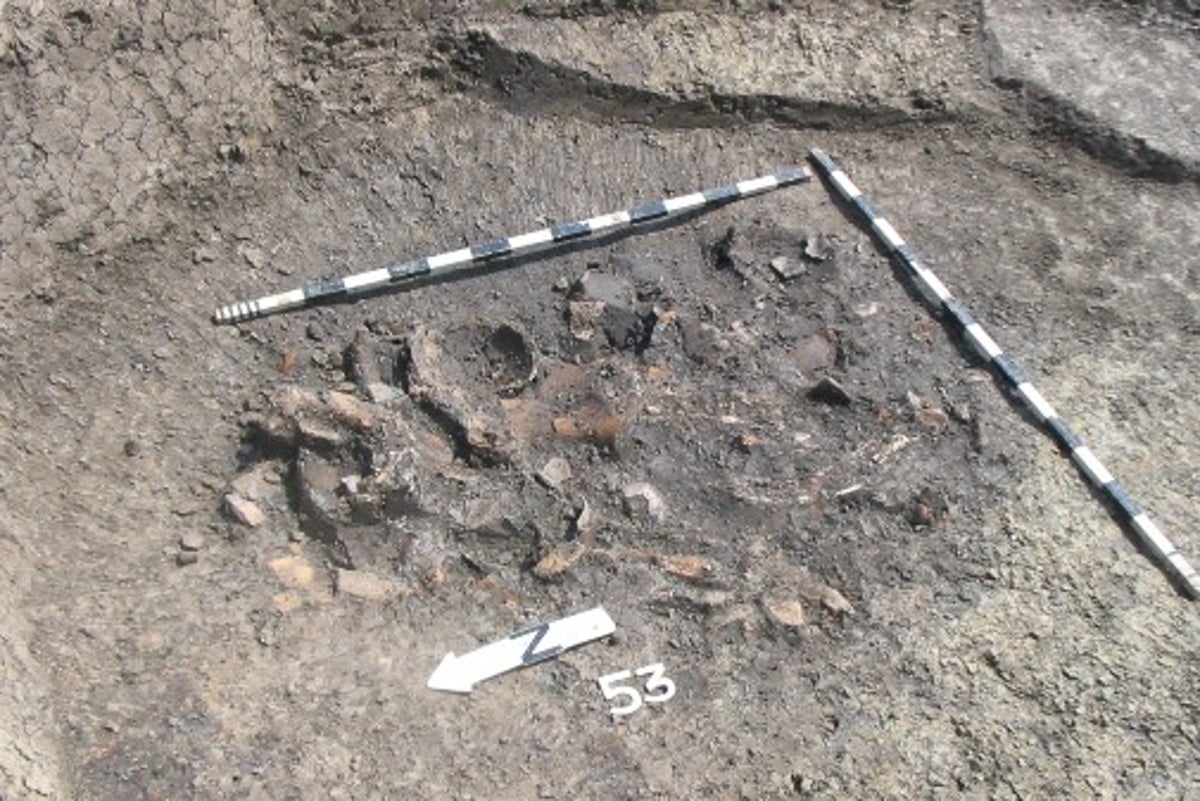
.jpg) open image in galleryRubbish heaps at the Romanian site of Tășnad Sere from the beginning of the 6th millennium BC (Cristian Virag)
open image in galleryRubbish heaps at the Romanian site of Tășnad Sere from the beginning of the 6th millennium BC (Cristian Virag)Dr Vindrola-Padros, from Christian Albrecht University of Kiel in Germany, said: “One possible explanation for keeping waste items close to the home is an emotional one - these possessions often carry meaning beyond their practical use, as demonstrated by their inclusion in burial rituals.
“By delving into these questions, we could help reframe the way we think about waste. Today we push it away from the home for mostly hygiene purposes, but not all waste is unsanitary, and so we hope that in understanding how societies in the past dealt with waste it could provide us with some new ways of thinking about our attitudes towards it today.”
They now plan to survey four archaeological sites across Europe from the Balkans to the Baltic coast. Using scientific techniques and digital tools, they plan to piece together the “life stories” of discarded objects, which could have been used and reused before eventually being discarded.
Professor Henny Piezonka, from Freie Universität Berlin’s Institute of Prehistoric Archaeology, said he wanted to know whether early farmers saw waste as the “problem” we do today. “We want to look at this question more closely and understand what were the challenges of having waste on the doorstep as well as the opportunities for repairing, reshaping, repurposing and reusing it,” she said.
More about
ArchaeologistsancestorsrubbishWasteJoin our commenting forum
Join thought-provoking conversations, follow other Independent readers and see their replies
Comments