
- News
- Science
You could aid in important research – and even get paid
Nadeem O. KaakoushThe ConversationWednesday 26 November 2025 10:11 GMTComments
 CloseRelated: Animal poo could 'help kill antibiotic-resistant bacteria' for NHS patients
Sign up for our free Health Check email to receive exclusive analysis on the week in health
Get our free Health Check email
Get our free Health Check email
Email*SIGN UPI would like to be emailed about offers, events and updates from The Independent. Read our Privacy notice
When most people think about donating body parts to science or medicine, they might think of life-saving donations of organs, tissues or blood. But you can also donate your poo.
The idea is to use it for poo transplants, otherwise known as faecal microbiota transplantation.
That’s when poo products made from healthy donor poo are transplanted into another person to improve their health.
Scientists like myself rely on poo donations to run clinical trials into this type of research. Some clinics rely on poo donations to treat patients.
To put it bluntly, we rely on people having a s*** for science or medicine.
Here’s how to get involved and become a poo donor.
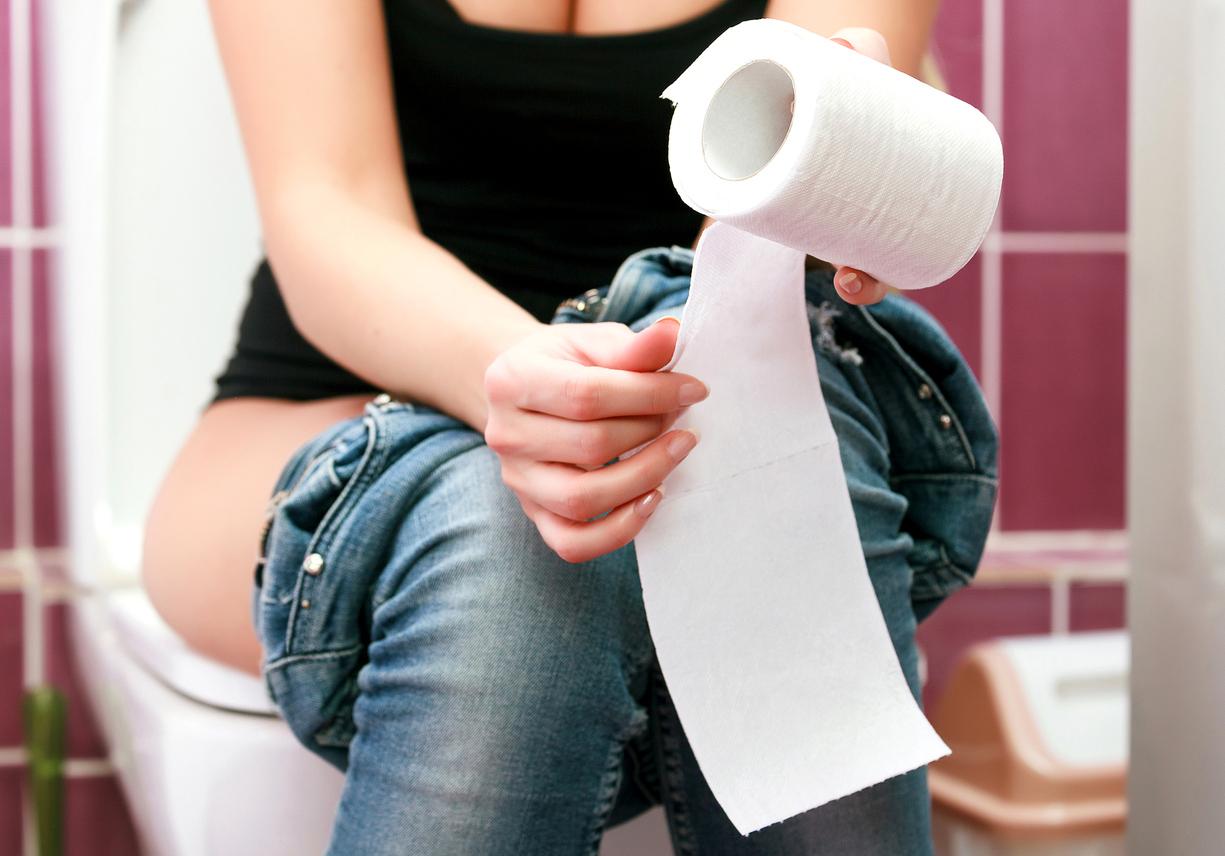 open image in galleryScientists rely on poo donations to run clinical trials or treat patients (Getty Images/iStockphoto)
Why would you want to?
Think of a poo donation as donating a different type of “organ”, your gut microbiome. This is the community of microbes in your gut responsible for critical functions in the body, including shaping your immune system and how you metabolise food.
We’re learning more about the gut microbiome all the time. This includes identifying functions important to our health and discovering potential new antimicrobial products derived from poo.
To get involved with this type of science, you’d need to donate your poo or make a series of donations at set times that fit into a study’s design. Your microbiome would be profiled and the data used to answer questions relating to that study.
For instance, it was this type of science that led to researchers learning more about how we share our gut microbiome with our social networks, the people we interact with in person, day to day.
Poo donations can be used to treat people. This is now accepted as an option for recurrent infection with the bacterium Clostridioides difficile that hasn’t responded to conventional treatment.
Poo donations have also been explored to treat inflammatory bowel diseases, irritable bowel syndrome, liver diseases, long-term urinary tract infections, mental health issues, improving cancer immunotherapy, and more.
There’s a hierarchy of poo
Not all poo is created equal. All donations from individuals that pass study inclusion and exclusion criteria are welcome for research. But poo donations for treatment need to pass an exceptional threshold of safety and quality.
These poo donors undergo extensive medical screening before selection because of the many unknowns in poo. When we transplant poo, we want to make sure the donor is free from blood-borne viruses (such as HIV or hepatitis). We also want to make sure their poo is free from parasites, and disease-causing viruses and bacteria (such as C. difficile) and certain antibiotic-resistant bacteria.
About the author
Nadeem O. Kaakoush is a Scientia Associate Professor, Host-Microbiome Interactions Group, UNSW Sydney.
This article was first published by The Conversation and is republished under a Creative Commons licence. Read the original article.
To complicate matters, a commitment to donate consistently is expected. With that comes ongoing medical screening, which can be time-consuming.
Donors also have to avoid activities that increase their chances of acquiring a blood-borne infection, such as injecting drugs or having unprotected sex. They also have to avoid visiting countries where traveller’s diarrhoea is common.
Poo stability is also an issue as it doesn’t last long without proper storage. This means poo donation only works if you live or work near one of these sites.
All these restrictions quickly reduce the pool of donors we can recruit.
A decade ago we conducted our own clinical trial and quickly became aware of the difficulties of obtaining and maintaining a source of therapeutic poo.
Out of 116 potential donors we screened, an expensive and time-consuming process, only 12 individuals passed. That’s roughly 10 per cent. Many decided not to participate due to the frequency of donations required. Some had medical conditions, parasites or detectable blood in their poo. Others had risk factors for variant Creutzfeldt-Jakob disease, a rare brain disease associated with bovine spongiform encephalopathy (BSE, or “mad cow” disease).
 open image in galleryNot all poo is created equal (Getty Images/iStockphoto)
You could improve someone’s life
Is there an upside? You could be saving someone’s life, or at least improving their quality of life significantly.
It is likely your donation will treat someone with recurrent C. difficile infection. Otherwise, it would be used in a clinical trial or study to treat another important medical condition.
As a poo donor, you’d also get a free, extensive and ongoing health check. Depending on where you donate, you might get paid.
However, the more of such health checks you have, the more chance of finding a medical condition (an incidental finding) that may need to be investigated, prompting a cascade of further tests.
Where can I sign up?
There are a number of organisations in Australia that recruit poo donors, including:
- Australian Red Cross Lifeblood recruits unpaid donors in Perth. You can check online if you’re eligible
- BiomeBank is a company that recruits paid donors in Adelaide based on certain criteria and assessments
- the Centre for Digestive Diseases is a private Sydney clinic and research centre that screens donors before selection. Paid donors are asked to follow dietary recommendations to maximise the quality of their donation.
What’s the take-home message?
We’re a long way from replicating the entire gut microbial community in the lab. So we have to rely on live microbial products made from donated poo as research moves from the laboratory bench to the clinic.
As with all health products, the benefits and evidence need to be weighed with caution.
Yet, if we unlock the potential of the gut microbiome via donated poo, this opens exciting avenues to develop probiotics and more therapeutics.
More about
The Conversationgut microbiomeMedicineJoin our commenting forum
Join thought-provoking conversations, follow other Independent readers and see their replies
Comments