
- Home
- Retirement
- Retirement Planning
Once you're retired, your focus should shift from maximum growth to strategic preservation and purposeful planning to help safeguard your wealth.
 By
Steven Kao, MBA, CAIA
published
26 February 2026
in Features
By
Steven Kao, MBA, CAIA
published
26 February 2026
in Features
When you purchase through links on our site, we may earn an affiliate commission. Here’s how it works.
- Copy link
- X
Profit and prosper with the best of Kiplinger's advice on investing, taxes, retirement, personal finance and much more. Delivered daily. Enter your email in the box and click Sign Me Up.
Contact me with news and offers from other Future brands Receive email from us on behalf of our trusted partners or sponsors By submitting your information you agree to the Terms & Conditions and Privacy Policy and are aged 16 or over.You are now subscribed
Your newsletter sign-up was successful
Want to add more newsletters?

Delivered daily
Kiplinger Today
Profit and prosper with the best of Kiplinger's advice on investing, taxes, retirement, personal finance and much more delivered daily. Smart money moves start here.
Signup +
Sent five days a week
Kiplinger A Step Ahead
Get practical help to make better financial decisions in your everyday life, from spending to savings on top deals.
Signup +
Delivered daily
Kiplinger Closing Bell
Get today's biggest financial and investing headlines delivered to your inbox every day the U.S. stock market is open.
Signup +
Sent twice a week
Kiplinger Adviser Intel
Financial pros across the country share best practices and fresh tactics to preserve and grow your wealth.
Signup +
Delivered weekly
Kiplinger Tax Tips
Trim your federal and state tax bills with practical tax-planning and tax-cutting strategies.
Signup +
Sent twice a week
Kiplinger Retirement Tips
Your twice-a-week guide to planning and enjoying a financially secure and richly rewarding retirement
Signup +
Sent bimonthly.
Kiplinger Adviser Angle
Insights for advisers, wealth managers and other financial professionals.
Signup +
Sent twice a week
Kiplinger Investing Weekly
Your twice-a-week roundup of promising stocks, funds, companies and industries you should consider, ones you should avoid, and why.
Signup +
Sent weekly for six weeks
Kiplinger Invest for Retirement
Your step-by-step six-part series on how to invest for retirement, from devising a successful strategy to exactly which investments to choose.
Signup + An account already exists for this email address, please log in. Subscribe to our newsletter

For decades, investors have been told that "buy and hold" is the surest path to success. We're encouraged to invest in quality companies, stay the course, and over time, the market will deliver positive results.
That may have worked fine for someone in their 40s or 50s with decades of earnings ahead.
But if you're retired — or near retirement — "buy and hold" often turns into something else entirely: Buy and hope.
From just $107.88 $24.99 for Kiplinger Personal Finance
Become a smarter, better informed investor. Subscribe from just $107.88 $24.99, plus get up to 4 Special Issues
CLICK FOR FREE ISSUE
Sign up for Kiplinger’s Free Newsletters
Profit and prosper with the best of expert advice on investing, taxes, retirement, personal finance and more - straight to your e-mail.
Profit and prosper with the best of expert advice - straight to your e-mail.
Sign up- Hope that the market doesn't crash again
- Hope that interest rates or inflation don't derail your income plan
- Hope that you won't outlive your money
Unfortunately, hope is not a reliable financial strategy.
The problem with 'buy and hope'
When you're no longer earning a paycheck, your investment losses become real, not just "paper losses." A 20% market decline isn't something you can simply wait out when you're drawing income from your portfolio.
Every dollar withdrawn after a loss compounds the problem, and you're taking money out of an already shrinking pool.
About Adviser Intel
The author of this article is a participant in Kiplinger's Adviser Intel program, a curated network of trusted financial professionals who share expert insights on wealth building and preservation. Contributors, including fiduciary financial planners, wealth managers, CEOs and attorneys, provide actionable advice about retirement planning, estate planning, tax strategies and more. Experts are invited to contribute and do not pay to be included, so you can trust their advice is honest and valuable.
The risk retirees face
We've seen one of the longest bull markets in history, fueled by low interest rates, stimulus and optimism. But economic cycles always turn. The next downturn isn't a matter of if — it's a matter of when.
For retirees with significant assets, the next downturn could be devastating if their portfolio lacks appropriate risk management strategies. Remember, a 30% loss requires a 43% gain just to break even!
Hope is not a strategy for a retiree.
The rules change once you transition from accumulating wealth to taking income from it. Market volatility that once seemed tolerable can now have lasting consequences.
This is primarily due to the danger that market losses early in retirement, combined with regular withdrawals, can permanently erode a portfolio's ability to recover.
Even if the market eventually rebounds, the damage may already be done. Retirees who are drawing income during a downturn may be forced to sell assets at depressed prices, locking in losses and reducing future growth potential.
Why timing matters more than ever
After 16 years of unprecedented market performance and economic stimulus, many portfolios have benefited from tremendous growth since 2009.
However, history shows that markets move in cycles and extended bull markets are inevitably followed by corrections.
The lesson is clear: The time to prepare is before the next downturn, not after it begins.
A shift toward preservation
For retirees with substantial assets, the goal should shift from maximum growth to strategic preservation. A prudent wealth management plan should focus on:
- Reducing downside risk during volatile markets
- Creating sustainable, tax-efficient income streams
- Diversifying across assets to minimize exposure to any single sector or market event
- Preserving purchasing power against inflation
- Helping minimize taxes and preserving more of what you've earned
- Implementing estate and legacy planning to protect the next generation
Preserving wealth requires active management, thoughtful allocation and a clear understanding of how each component of your portfolio supports your long-term goals.
Looking for expert tips to grow and preserve your wealth? Sign up for Adviser Intel, our free, twice-weekly newsletter.
Moving beyond hope
The financial landscape has evolved, and some retirees may find that traditional investment approaches no longer align with their income needs or risk tolerance. "Buy and hold" may sound reassuring, but for those who cannot easily replace lost capital, it is often a passive and risky approach.
Instead, consider adopting a strategy built on preparation, preservation and purposeful planning — one that seeks to help safeguard your retirement assets in various market conditions.
Because in retirement, financial confidence isn't about how much you can make. It's about how much you can keep.
If you've already accumulated your wealth, your focus should shift from growth at all costs to preservation and stability. The old "buy and hold" mantra may still be fine for young investors, but for retirees, it's time to move beyond hope and start planning with purpose.
The appearances in Kiplinger were obtained through a PR program. The columnist received assistance from a public relations firm in preparing this piece for submission to Kiplinger.com. Kiplinger was not compensated in any way.
Related Content
- When Markets Are Jumpy: A Financial Planner Explains How to Stay Grounded
- Three Keys to Logical Investing When Markets Are Volatile
- Market Volatility Tempting You to Get Out? Read This First
- Market Turmoil: What History Tells Us About Current Volatility
- What Your Portfolio Says About You and Your Relationship with Risk
Insurance products are offered through the insurance business Stuart Estate Planning. Kirsner Wealth Management is an Investment Advisory practice that offers products and services through AE Wealth Management, LLC (AEWM), a Registered Investment Adviser. AEWM does not offer insurance products. The insurance products offered by Stuart Estate Planning are not subject to Investment Advisor requirements. AEWM is not affiliated with Stuart Estate Planning. Investing involves risk, including the potential loss of principal. Any references to protection, safety or lifetime income, generally refer to fixed insurance products, never securities or investments. Insurance guarantees are backed by the financial strength and claims paying abilities of the issuing carrier. Past performance is not indicative of future results.
Neither the firm nor its agents or representatives may give tax or legal advice. Individuals should consult with a qualified professional for guidance before making any purchasing decisions.
This article is meant to be general and is not investment or financial advice or a recommendation of any kind. Please consult your financial advisor before making financial decisions. 3710768 - 2/26
DisclaimerThis article was written by and presents the views of our contributing adviser, not the Kiplinger editorial staff. You can check adviser records with the SEC or with FINRA.
TOPICS Adviser Intel Get Kiplinger Today newsletter — freeContact me with news and offers from other Future brandsReceive email from us on behalf of our trusted partners or sponsorsBy submitting your information you agree to the Terms & Conditions and Privacy Policy and are aged 16 or over.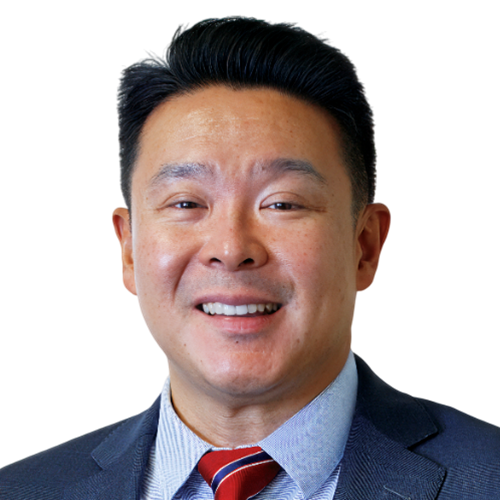 Steven Kao, MBA, CAIAFinancial Adviser and Director of Portfolio Management, Kirsner Wealth Management
Steven Kao is Kirsner Wealth Management's Financial Adviser and Director of Portfolio Management, where he oversees investment strategy, portfolio construction and risk management for our client portfolios. Steve is a CAIA Charterholder and earned his MBA from the NYU Stern School of Business. He previously held senior roles at Morgan Stanley and Citibank, gaining experience in wealth management, investment banking, private credit and real estate investing. He is also the founder of Cycles Edge, a daily investment research newsletter with over 36,000 subscribers.
Latest-
 Why a Good Legacy Plan Covers Values, Not Just Valuables
Legacy planning integrates your values and stories with legal and tax strategies to ensure your influence benefits loved ones and good causes after you're gone.
-
 The Best Short-Term CD for Your Cash in 2026
This strategy can help you earn thousands in months.
-
 Will Real Estate and Private Equity Shine Again in 2026?
Real estate, private equity and general partner stakes could benefit from future interest rate cuts. What are the risks and rewards of investing in each?
-
Your Legacy Is More Than Your Money: How to Plan for Values, Not Just Valuables
Legacy planning integrates your values and stories with legal and tax strategies to ensure your influence benefits loved ones and good causes after you're gone.
-
Will Real Estate and Private Equity Start to Shine Again in 2026?
Real estate, private equity and general partner stakes could benefit from future interest rate cuts. What are the risks and rewards of investing in each?
-
 Nasdaq Soars Ahead of Nvidia Earnings: Stock Market Today
Wednesday's risk-on session was sparked by strong gains in tech stocks and several crypto-related names.
-
 4 High-End Experiences Worth the Splurge After 50
These curated date ideas provide the perfect backdrop for couples ready to enjoy the very best that the world has to offer.
-
 Health Care Stocks Have Sagged. Can You Bet on a Recovery?
The flagging health care sector has perked up a bit lately. Is it time to invest?
-
 My Grandkids Want Me to Donate to Their Teams and School Fundraisers. I Adore Them, but I'm on a Budget.
When your heart says "yes" but your wallet says "no," there is still a way forward. Here's what financial pros say.
-
 Your Retirement Age Is Just a Number: Today's Retirement Goal Is 'Work Optional'
Becoming "work optional" is about control — of your time, your choices and your future. This seven-step guide from a financial planner can help you get there.
-
 Have You Fallen Into the High-Earning Trap? This Is How to Escape
High income is a gift, but it can pull you into higher spending, undisciplined investing and overreliance on future earnings. These actionable steps will help you escape the trap.
