
 By
Dhruv Sharma
Published Feb 18, 2026, 10:45 PM EST
Dhruv is a Lead Writer in Screen Rant's New TV division. He has been consistently contributing to the website for over two years and has written thousands of articles covering streaming trends, movie/TV analysis, and pop culture breakdowns.
Before Screen Rant, he was a Senior Writer for The Cinemaholic, covering everything from anime to television, from reality TV to movies.
After high school, he was on his way to become a Civil Engineer. However, he soon realized that writing was his true calling. As a result, he took a leap and never looked back.
Sign in to your ScreenRant account
Add Us On
Summary
Generate a summary of this story
follow
Follow
followed
Followed
Like
Like
Thread
Log in
Here is a fact-based summary of the story contents:
Try something different:
Show me the facts
Explain it like I’m 5
Give me a lighthearted recap
By
Dhruv Sharma
Published Feb 18, 2026, 10:45 PM EST
Dhruv is a Lead Writer in Screen Rant's New TV division. He has been consistently contributing to the website for over two years and has written thousands of articles covering streaming trends, movie/TV analysis, and pop culture breakdowns.
Before Screen Rant, he was a Senior Writer for The Cinemaholic, covering everything from anime to television, from reality TV to movies.
After high school, he was on his way to become a Civil Engineer. However, he soon realized that writing was his true calling. As a result, he took a leap and never looked back.
Sign in to your ScreenRant account
Add Us On
Summary
Generate a summary of this story
follow
Follow
followed
Followed
Like
Like
Thread
Log in
Here is a fact-based summary of the story contents:
Try something different:
Show me the facts
Explain it like I’m 5
Give me a lighthearted recap
Great sci-fi movies have even greater opening hooks that grip viewers from the beginning itself. However, even among the movies with some of the best opening sequences, there is one that easily ranks above all others because of how brilliantly it executes its first scene and follows it up with an unforgettable sci-fi drama.
Arguably, the opening scene in question is not only the greatest in sci-fi movie history but also the best in the history of cinema. From delivering a masterful match cut to giving audiences a glimpse of the movie's philosophical underpinnings, the brief sequence achieves it all.
What makes it even more impressive is that it is from one of the greatest sci-fi movies of all time, which came out nearly 60 years ago.
2001: A Space Odyssey’s Opening Scene Is A Visual & Musical Masterpiece
 A Monolith against a rising sun in 2001 A Space Odyssey
Often referred to as the "Dawn of Man," 2001: A Space Odyssey's opening scene perfectly uses Richard Strauss’s "Also Sprach Zarathustra" as its background score. It starts with a low organ drone that aligns with visuals of an ape learning how a bone can be used as a tool. As the tension rises and the ape evolves its ability to think, the music transitions into a brass fanfare.
The visual of the ape embracing its newfound discovery is compelling enough, but the Stanley Kubrick movie further reels viewers with one of the most iconic match cuts in film history.
As the ape throws the bone in the air to celebrate, the visual of the spinning bone is cut to a nuclear-armed satellite orbiting Earth. With just one single frame and in less than a second, Kubrick captures four million years of human evolution. With no dialog or unnecessary narration, Kubrick uses the golden rule of "showing and not telling" to link humanity's first tool/weapon to its most advanced and destructive technology.
In a few minutes, we, as viewers, understand that, despite the vast gulf in time, humanity's undying impulse for dominance and its relentless drive to innovate remains the same.
The Opening Sequence Perfectly Captures Nietzsche’s Thus Spoke Zarathustra
 2001 A Space Odyssey Dawn of Man scene
It is no coincidence that Stanley Kubrick used Richard Strauss’s "Also Sprach Zarathustra" as 2001: A Space Odyssey's background score in the opening scene. One of the most iconic quotes from Nietzsche's Thus Spoke Zarathustra is:
"Man is a rope stretched between the animal and the Übermensch—a rope over an abyss."
The opening scene comes off as a perfect reflection of the above quote where the ape, an animal, begins the long, dangerous walk toward becoming the Übermensch as soon as it uses the bone as a tool. The match cut that transitions from the bone to the satellite suggests that modern humans are mere ropes stretched as midpoints between the apes and the "final form."
Nietzsche argued that the "will to power" was the fundamental force that drives humanity. The opening scene seems to capture this by showing that, after being purely driven by a desire to survive, the monolith's intervention drives the ape to dominate and grow.
Screen Rant Report: Subscribe and never miss what matters
Dive into the world of movies and TV shows with Screen Rant, your source for news, reviews, and exclusive content. Subscribe By subscribing, you agree to receive newsletter and marketing emails, and accept our Terms of Use and Privacy Policy. You can unsubscribe anytime.However, this "Dawn of Man" is not a peaceful awakening but a violent rupture, where the ape smashes a rival's skull to establish its dominance and will to power.
It Perfectly Sets Up The Iconic Stanley Kubrick Movie’s Ending
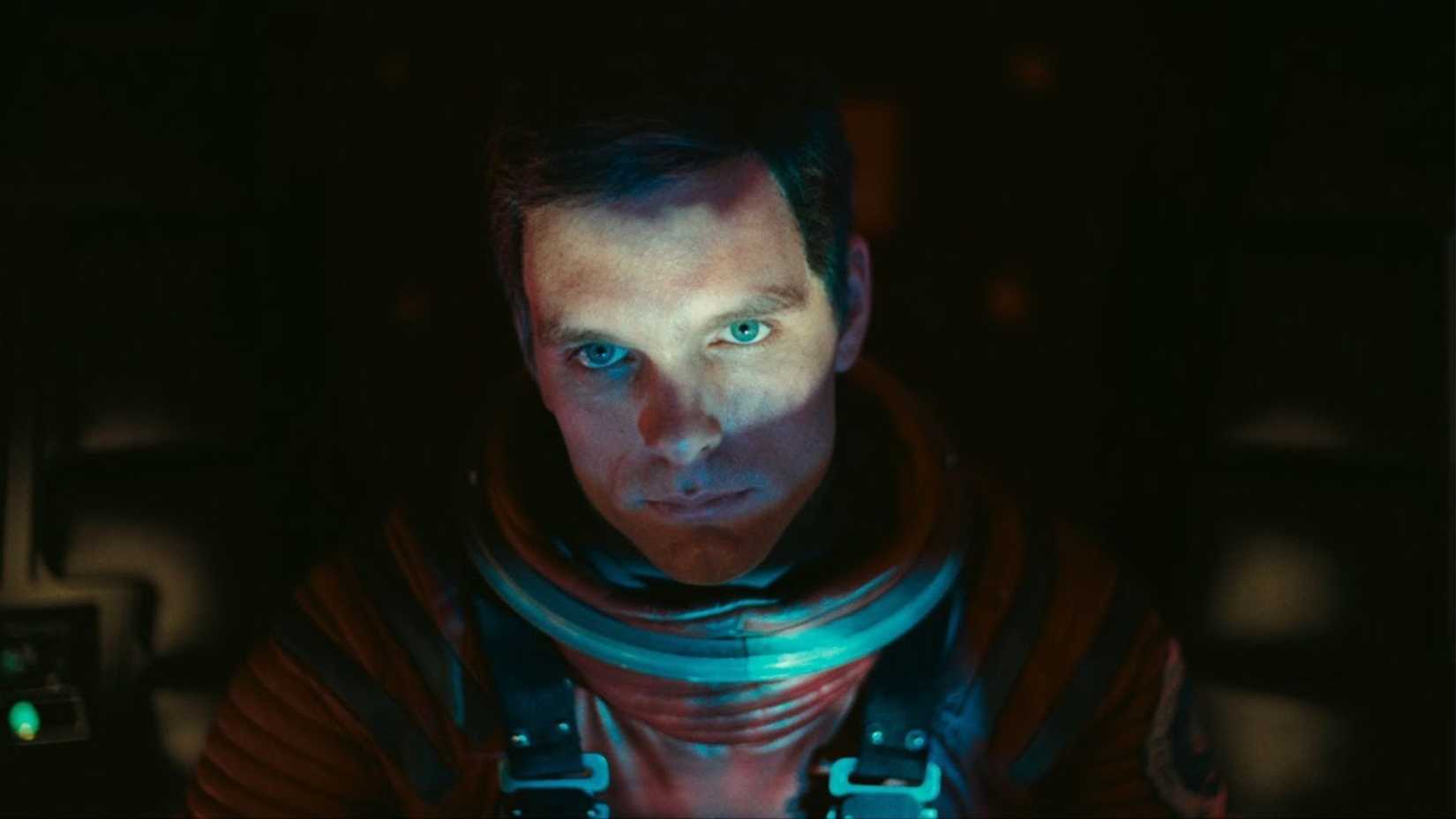 Keir Dullea as Dr David Bowman in 2001 A Space Odyssey
By aligning the monolith's appearance with the ape's leap in evolution, 2001: A Space Odyssey sets it up as a device that represents progression. It is an evolutionary alarm clock. Every time it appears in the movie, it coincides with a radical shift in awareness. This early revelation of its symbolism ultimately gets the perfect payoff in the film's final scene when it appears for the last time and captures Man's transition to Star Child.
A lot more can be drawn from 2001: A Space Odyssey's opening scene and how it gradually expands into the movie's storyline. Since it achieves so much in a matter of minutes and still leaves a lot of room for personal interpretation, it is hard not to tout it as the greatest opening scene in sci-fi history.
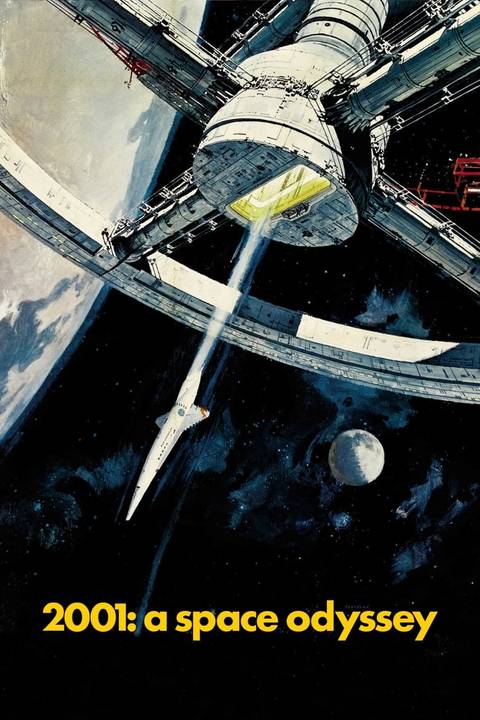 2001: A Space Odyssey
G
Science Fiction
Mystery
Adventure
2001: A Space Odyssey
G
Science Fiction
Mystery
Adventure
 9/10
44
8.6/10
Release Date
April 10, 1968
Cast
Keir Dullea, Gary Lockwood, William Sylvester, Douglas Rain, Daniel Richter, Leonard Rossiter, Margaret Tyzack, Robert Beatty, Sean Sullivan, Bill Weston, Ed Bishop, Glenn Beck, Alan Gifford, Ann Gillis, Edwina Carroll, Penny Brahms, Heather Downham, Mike Lovell, John Ashley, Jimmy Bell, David Charkham, Keith Denny, Jonathan Daw, Péter Delmár, Terry Duggan
Runtime
149 minutes
Director
Stanley Kubrick
Writers
Stanley Kubrick, Arthur C. Clarke
Producers
Stanley Kubrick
Main Genre
Science Fiction
Budget
$12 million
Studio(s)
Metro-Goldwyn-Mayer
Distributor(s)
Metro-Goldwyn-Mayer
Powered by
9/10
44
8.6/10
Release Date
April 10, 1968
Cast
Keir Dullea, Gary Lockwood, William Sylvester, Douglas Rain, Daniel Richter, Leonard Rossiter, Margaret Tyzack, Robert Beatty, Sean Sullivan, Bill Weston, Ed Bishop, Glenn Beck, Alan Gifford, Ann Gillis, Edwina Carroll, Penny Brahms, Heather Downham, Mike Lovell, John Ashley, Jimmy Bell, David Charkham, Keith Denny, Jonathan Daw, Péter Delmár, Terry Duggan
Runtime
149 minutes
Director
Stanley Kubrick
Writers
Stanley Kubrick, Arthur C. Clarke
Producers
Stanley Kubrick
Main Genre
Science Fiction
Budget
$12 million
Studio(s)
Metro-Goldwyn-Mayer
Distributor(s)
Metro-Goldwyn-Mayer
Powered by
 Expand
Collapse
Expand
Collapse
-
 Movies
-
 2001: A Space Odyssey
-
 Stanley Kubrick
Screen Rant Report: Subscribe and never miss what matters
Dive into the world of movies and TV shows with Screen Rant, your source for news, reviews, and exclusive content. Subscribe By subscribing, you agree to receive newsletter and marketing emails, and accept our Terms of Use and Privacy Policy. You can unsubscribe anytime. Trending Now The Greatest Opening Line In Sci-Fi TV History Remains Undisputed
 Tawny Newsome & Cirroc Lofton Spill Star Trek: Starfleet Academy's Sisko Secrets
 30 Best Mind-Bending Movies Like Interstellar

