- Home
- Personal Finance
"It's not enough to support outrageously large spending habits, but we can live a very enjoyable life, including a few luxuries, without having to worry about running out of money in the near future."
 By
Joyce Lamb
published
7 February 2026
in Features
By
Joyce Lamb
published
7 February 2026
in Features
When you purchase through links on our site, we may earn an affiliate commission. Here’s how it works.
Jump to category:- The Basics
- The Fun Stuff
- Looking Back
- Looking Ahead
- Copy link
- X
Profit and prosper with the best of Kiplinger's advice on investing, taxes, retirement, personal finance and much more. Delivered daily. Enter your email in the box and click Sign Me Up.
Contact me with news and offers from other Future brands Receive email from us on behalf of our trusted partners or sponsors By submitting your information you agree to the Terms & Conditions and Privacy Policy and are aged 16 or over.You are now subscribed
Your newsletter sign-up was successful
Want to add more newsletters?

Delivered daily
Kiplinger Today
Profit and prosper with the best of Kiplinger's advice on investing, taxes, retirement, personal finance and much more delivered daily. Smart money moves start here.
Signup +
Sent five days a week
Kiplinger A Step Ahead
Get practical help to make better financial decisions in your everyday life, from spending to savings on top deals.
Signup +
Delivered daily
Kiplinger Closing Bell
Get today's biggest financial and investing headlines delivered to your inbox every day the U.S. stock market is open.
Signup +
Sent twice a week
Kiplinger Adviser Intel
Financial pros across the country share best practices and fresh tactics to preserve and grow your wealth.
Signup +
Delivered weekly
Kiplinger Tax Tips
Trim your federal and state tax bills with practical tax-planning and tax-cutting strategies.
Signup +
Sent twice a week
Kiplinger Retirement Tips
Your twice-a-week guide to planning and enjoying a financially secure and richly rewarding retirement
Signup +
Sent bimonthly.
Kiplinger Adviser Angle
Insights for advisers, wealth managers and other financial professionals.
Signup +
Sent twice a week
Kiplinger Investing Weekly
Your twice-a-week roundup of promising stocks, funds, companies and industries you should consider, ones you should avoid, and why.
Signup +
Sent weekly for six weeks
Kiplinger Invest for Retirement
Your step-by-step six-part series on how to invest for retirement, from devising a successful strategy to exactly which investments to choose.
Signup + An account already exists for this email address, please log in. Subscribe to our newsletter

Welcome to Kiplinger's My First $1 Million series, in which we hear from people who have made $1 million.
This time, we hear from a 68-year-old married retiree in Wisconsin. He retired as a senior reactor operator/control room supervisor at a nuclear power plant, and he and his wife, both born and raised in suburban Chicago, have been married for 48 years.
See our earlier profiles, including a writer in New England, a literacy interventionist in Colorado, a semiretired entrepreneur in Nashville and an events industry CEO in Northern New Jersey. (See all of the profiles here.)
From just $107.88 $24.99 for Kiplinger Personal Finance
Become a smarter, better informed investor. Subscribe from just $107.88 $24.99, plus get up to 4 Special Issues
CLICK FOR FREE ISSUE
Sign up for Kiplinger’s Free Newsletters
Profit and prosper with the best of expert advice on investing, taxes, retirement, personal finance and more - straight to your e-mail.
Profit and prosper with the best of expert advice - straight to your e-mail.
Sign upEach profile features one person or couple, who will always be completely anonymous to readers, answering questions to help our readers learn from their experience.
These features are intended to provide a window into how different people build their savings — they're not intended to provide financial advice.
To hear more about My First $1 Million, you can check out this podcast with bestselling author and tax attorney Toby Mathis:
How They Made Their First Million: The Garbage Man - The Writer - The Teacher. - YouTube Watch On
The Basics
How did you make your first $1 million?
We used a 401(k), SEP-IRAs and Roth IRAs to accumulate our first $1 million and most of our net worth. We saved mostly using the 401(k) at my place of employment and an SEP-IRA at my wife's place of employment.
I worked 13 years as a self-employed carpenter, raising young children and buying our first house. At age 32, we had $0 saved for retirement. When I began working for a public utility, I needed to wait one year to start investing in a 401(k).

Once I started my 401(k) investments in 1990, I made sure to invest enough to obtain the full company match (typically around 4%) and then increased my contribution 1% per year until I reached the maximum contribution limit.
I made sure that I monitored and adjusted my contributions carefully so that I didn't hit the maximum limit until the last pay period of the year, to ensure that I maximized the company match.
Starting in 2000, I started contributing to Roth IRAs for both myself and my wife.
We made our first $1 million around 2012, so it took approximately 22 years.

Initially, I invested whenever my earnings reached the Social Security earnings maximum. I calculated what I would have paid in Social Security taxes and split that amount between the two Roth IRAs, making a deposit every pay period.
Eventually, we just focused on maximizing our Roth IRA contributions every year, adjusting, as needed, if I met the maximum earnings threshold for Roth contributions.
We also contributed to some post-tax investments when there was money available.
What are you doing with the money?
We didn't do anything particularly special with the money. My wife was able to stop working in 2005 since our children were self-sufficient by that time, and we seemed to be on track with our savings plan even before we hit $1 million.
I kept working and investing in my 401(k) and our Roth IRAs, anticipating our future retirement plans.
The Fun Stuff
Did you do anything to celebrate?
No, we just kept the process moving forward.
What is the best part of making $1 million?
It's not enough to support outrageously large spending habits, but we can live a very enjoyable life, including a few luxuries, without having to worry about running out of money in the near future.

Did your life change?
Not really. Most people we are acquainted with would be surprised to know that we have established a comfortable nest egg.
Did you retire early?
I retired at 62, which was my planned retirement timeframe for about five years.
Thirty years in a high-stress, perfection-demanding industry on rotating shift was enough for me, physically and mentally.
I have been retired for 6½ years and don't have a single regret about my retirement timing.

Looking Back
Anything you would do differently?
I would have invested more diligently and deliberately in our post-tax investments (not tax-advantaged) during the years when we were limited in our ability to make Roth IRA contributions due to our income level.
We have intentionally not withdrawn from our Roth IRA accounts since I retired at age 62. These Roth IRAs are designated for future long-term care expenses for my wife, if needed. I am covered by a long-term care policy that we bought when I retired. Purchasing a similar policy for my wife proved to be cost-prohibitive.
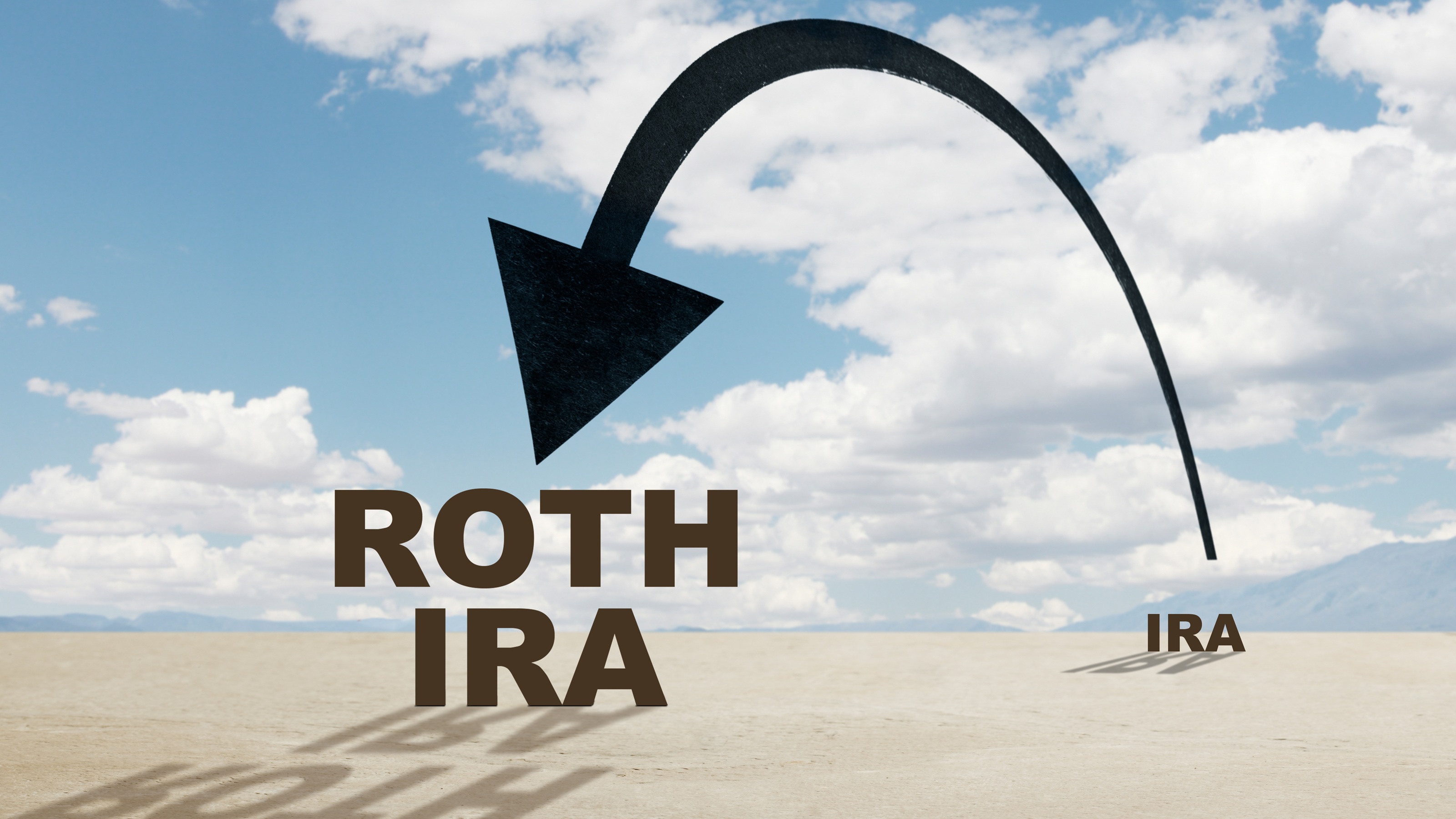
Post-retirement, I have completed Roth conversions when it made sense from a tax perspective, without hitting the next tax bracket.
We did not start to collect Social Security until our FRAs (full retirement ages). We had to pay taxes on our rollover IRA withdrawals, albeit at a lower rate than I had paid when I was working.
It would have been better from a tax perspective to have paid the lower capital gains rate if these withdrawals had been from post-tax investments.
What would you tell your younger self about making $1 million?
It can and will happen if you establish a process and trust that process.
Did you work with a financial adviser?
We have worked with three different advisers over the past 26 years.
We left the first adviser when they tried to sell us a high-commission product.
We left the second adviser when they couldn't give us a simple explanation of how much we were paying them for their services.
We have been with our last adviser (a fee-only fiduciary) for the past seven years.

I like to be informed about how our money is invested, but I couldn't stomach having to make the investment decisions myself, so the fee that we pay is well worth my peace of mind.
Right now, we use the Chicago Illinois Client Team of Fairport Wealth to manage our investments. The RIA for Fairport Wealth is Hightower Advisors.
Did anyone help you early on?
In general, I worked with numerous people over a 30-year period who were very fiscally responsible and didn't mind sharing their thoughts on investing and retirement planning.
Although these were mostly informal discussions and rarely, if ever, included actual dollar values, it made it possible for me to ask simple questions and learn how like-minded people approached monetary planning.
Looking Ahead
Plans for your next $1 million?
No different or special plans. We are almost at our next $1 million, even after withdrawing approximately 6.5% a year from our retirement funding.
Now that we are both collecting Social Security, our future withdrawals will be closer to 4.5%.
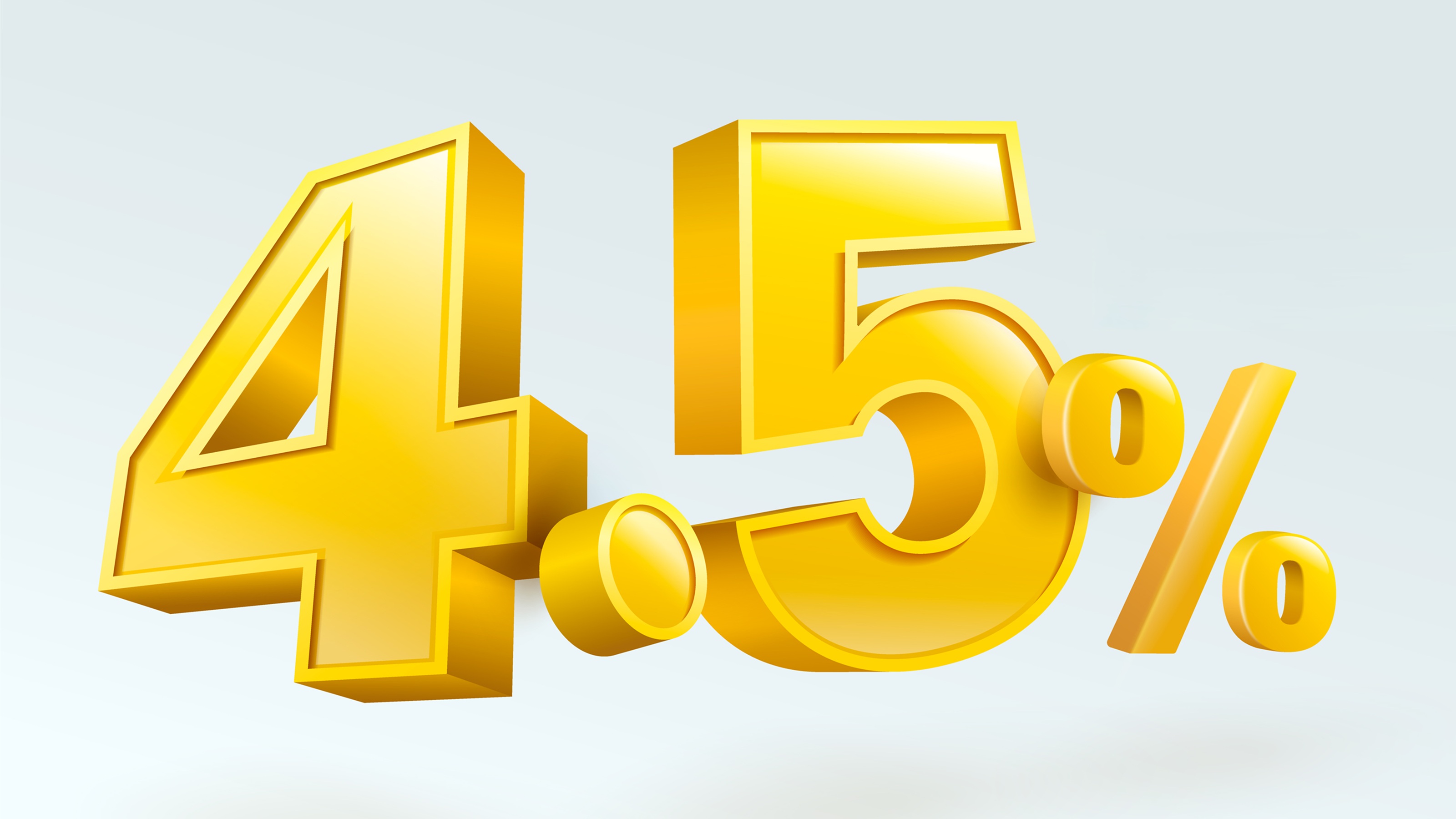
This should allow us to have a stable income flow in the future without significant depletion of our assets.
Any advice for others trying to make their first $1 million?
Find someone knowledgeable and trustworthy (like a fiduciary financial adviser) to whom you are comfortable being fiscally accountable. Be open and honest with them, listen to their recommendations and implement what you can, even if it seems like it might be difficult.
Learn to be tolerant of moderate risk, if you can be comfortable with some of the inevitable ups and downs in your account values.
Stick with it and resist the temptation to stop contributing to tax-advantaged plans.
Don't forget to make contributions to post-tax accounts, as well.

Eventually, retirement fund growth is exponential, not arithmetic. Trust the process, and you will be pleasantly surprised by the results the longer your money remains invested.
Do you have an estate plan?
Yes, we have established a revocable trust with my wife and me as trustees. Our estate is fairly simple, but one of our two children lives out-of-country, and our attorney recommended a revocable trust as the simplest way to handle things in that circumstance.
What do you wish you'd known …
When you first started working with a financial professional? The first two advisers we utilized didn't provide a tangible, comprehensive annual financial plan. Mostly, we talked in generic terms.
Our current adviser provides us with a comprehensive annual financial plan that predicts results out to age 95.
Although obviously subject to many factors that can change the predicted results, it gives an indication of how we are doing on an updated year-to-year basis and lets us know if adjustments need to be made to maintain or raise the probability of success to an acceptable level.
Before you retired? I didn't appreciate the importance of budgeting and tracking spending. When I was working, I was happy as long as the bills were paid and there was a positive checkbook balance.

Since I retired, I use careful budgeting and tracking (via spreadsheets) as a way to plan for future spending (four or so years out) and required withdrawals to support this planned spending.
This helps me to have better tax planning and can help predict long-term retirement and investment success.
If you have made $1 million or more and would like to be anonymously featured in a future My First $1 Million profile, please fill out and submit this Google Form or send an email to [email protected] to receive the questions. We welcome all stories that add up to $1 million or more in your accounts, although we will use discretion in which stories we choose to publish, to ensure we share a diversity of experiences. We also might want to verify that you really do have $1 million. Your answers may be edited for clarity.
Related Content
- You're 62 Years Old With $1 Million Saved: Can You Retire?
- Want to Earn $1 Million More Over Your Lifetime? Do This
- Do You Have at Least $1 Million in Tax-Deferred Investments?
- Are You Rich? U.S. Net Worth Percentiles Can Provide Answers
- Compare Your Net Worth by Age
 Joyce LambSocial Links NavigationContributed Content Editor for Adviser Intel, Kiplinger.com
As Contributed Content Editor for the Adviser Intel channel on Kiplinger.com, Joyce edits articles from hundreds of financial experts about retirement planning strategies, including estate planning, taxes, personal finance, investing, charitable giving and more. She has more than 30 years of editing experience in business and features news, including 15 years in the Money section at USA Today.
Back To Top Latest-
 How to Position Investments to Minimize Taxes for Your Heirs
To minimize your heirs' tax burden, focus on aligning your investment account types and assets with your estate plan, and pay attention to the impact of RMDs.
-
 Are You 'Too Old' to Benefit From an Annuity?
Probably not, even if you're in your 70s or 80s, but it depends on your circumstances and the kind of annuity you're considering.
-
 Seeing Retirement Ahead? Why Your 50s Will Be So Significant
This is the perfect time to assess whether your retirement planning is on track and determine what steps you need to take if it's not.
-
 No-Fault Car Insurance States and What Drivers Need to Know
A breakdown of the confusing rules around no-fault car insurance in every state where it exists.
-
 7 Frugal Habits to Keep Even When You're Rich
Some frugal habits are worth it, no matter what tax bracket you're in.
-
 How Much It Costs to Host a Super Bowl Party in 2026
Hosting a Super Bowl party in 2026 could cost you. Here's a breakdown of food, drink and entertainment costs — plus ways to save.
-
 3 Reasons to Use a 5-Year CD As You Approach Retirement
A five-year CD can help you reach other milestones as you approach retirement.
-
 How to Watch the 2026 Winter Olympics Without Overpaying
Here’s how to stream the 2026 Winter Olympics live, including low-cost viewing options, Peacock access and ways to catch your favorite athletes and events from anywhere.
-
 Here’s How to Stream the Super Bowl for Less
We'll show you the least expensive ways to stream football's biggest event.
-
 The Cost of Leaving Your Money in a Low-Rate Account
Why parking your cash in low-yield accounts could be costing you, and smarter alternatives that preserve liquidity while boosting returns.
-
 This Is How You Can Land a Job You'll Love
"Work How You Are Wired" leads job seekers on a journey of self-discovery that could help them snag the job of their dreams.