- News
- World
- Americas
The family of a Colombian man has filed a formal challenge to U.S. military strikes on alleged drug-carrying boats
Astrid Suarez,Regina Garcia CanoWednesday 03 December 2025 21:07 GMT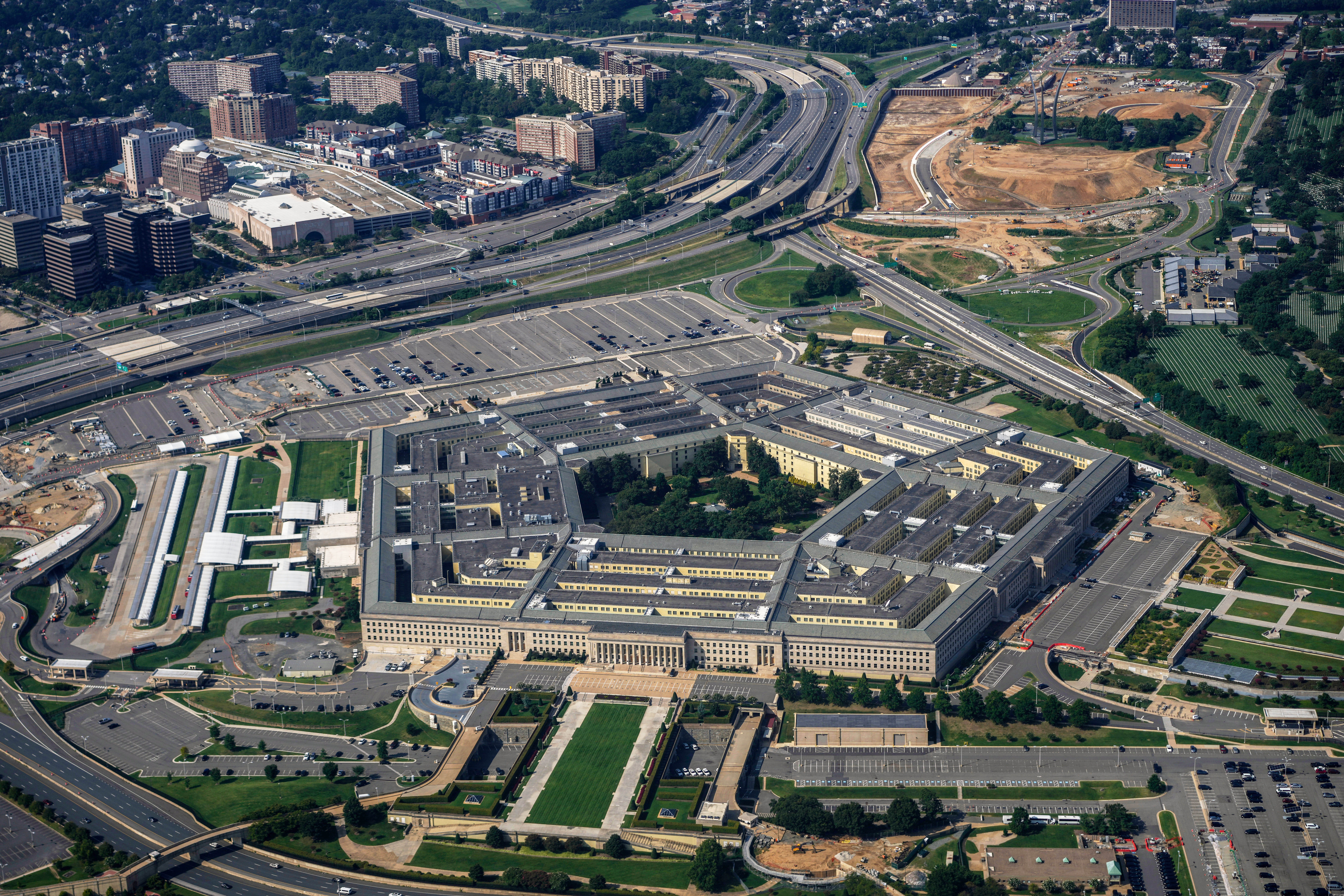 Pentagon Kelly (Copyright 2023 The Associated Press. All rights reserved)
The latest headlines from our reporters across the US sent straight to your inbox each weekday
Your briefing on the latest headlines from across the US
Your briefing on the latest headlines from across the US
Email*SIGN UPI would like to be emailed about offers, events and updates from The Independent. Read our Privacy notice
The family of a Colombian man has filed the first formal challenge to U.S. military strikes on alleged drug-carrying boats, arguing in a petition to the premier human rights watchdog in the Americas that his death was an extrajudicial killing.
The petition from the family of Alejandro Carranza says the military bombed his fishing boat on Sept. 15, when he was sailing off Colombia’s Caribbean coast, in violation of human rights conventions. The Inter-American Commission on Human Rights received the complaint Tuesday, and while the Trump administration has said it supports the commission's work, the U.S. does not recognize the jurisdiction of an international court associated with the commission. Therefore, any recommendations that could result from the family’s petition would not be binding.
The family’s attorney, Daniel Kovalik, said Carranza’s four children and spouse want to be compensated as their loved one was their primary breadwinner. He explained that the family chose the commission because of the obstacles that a federal case would face, but the possibility has not been ruled out either.
“The U.S. does not subject itself to accountability, so we’re using the avenues we have before us," Kovalik said Wednesday. “We believe that a decision in our favor, combined with public pressure, can get us that compensation and also can end the killings in the Caribbean.”
The strikes that led to the complaint
The U.S. military has killed more than 80 people since early September, when it began striking vessels that the Trump administration has said were carrying drugs toward the U.S. The strikes began off Venezuela's Caribbean coast and later expanded to the eastern Pacific Ocean.
The U.S. also has built up its largest military presence in the region in generations, which many see as part of a strategy to pressure Venezuelan President Nicolás Maduro to resign.
The Trump administration has not provided any details of the people killed in the strikes, but it has insisted that its intelligence confirmed that members of foreign terrorist organizations were operating the targeted vessels.
The U.S. military's Sept. 15 strike killed three people. Asked at the time what proof the U.S. has that the vessel was carrying drugs, President Donald Trump told reporters that big bags of cocaine and fentanyl were spattered all over the ocean. However, images of what Trump described were not released by the military or the White House.
Kovalik denied that Carranza's boat was carrying drugs and said he did not know if other people were on the vessel. Kovalik, who is also representing President Gustavo Petro in the U.S. after the Trump administration imposed sanctions on him, said he met the Carranzas at their home in northern Colombia.
Petro, the leftist leader of a traditional U.S. ally, has called the boat attacks “murders,” questioning the disproportionate use of force.
Family says its received threats after allegations
The petition cites as evidence of Carranza's killing stories from The New York Times and The Washington Post regarding the family’s allegations and statements by U.S. Secretary of Defense Pete Hegseth. It also says the family has received threats since Carranza's death.
“The victims do not have adequate and effective resources in Colombia to obtain reparations ... moreover, even if such resources existed, the victims could not exercise them safely, given that they have been threatened by right-wing paramilitaries simply for denouncing Mr. Carranza’s murder,” according to the petition, which was first reported by The Guardian.
The Pentagon did not immediately respond to a request for comment about the complaint.
The attacks have increasingly come under scrutiny after the Washington Post reported that Hegseth issued a verbal order to “kill everybody” on the first boat targeted by the military and an admiral approved a follow-on strike said to have killed two survivors of the initial hit. Hegseth has said the admiral “made the right call” and he “had complete authority to do” so.
Trump on Tuesday said the U.S. would start doing strikes on land soon, though he didn’t specify where and said attacks might occur in countries besides Venezuela, suggesting Colombia.
“You know, the land is much easier, much easier. And we know the routes they take,” Trump said to reporters. “We know everything about them. We know where they live. We know where the bad ones live. And we’re going to start that very soon, too.”
Later, when asked to elaborate, Trump said he was speaking about countries that are manufacturing and selling fentanyl or cocaine. The president said he heard that Colombia is manufacturing cocaine and selling it to the U.S. Colombia is the world’s top cocaine producer.
“Anybody that’s doing that and selling it into our country is subject to attack,” Trump said. He added a few moments later, “Not just Venezuela.”
___
Garcia Cano reported from Caracas, Venezuela.