
- News
- Health
A Harvard University study found young adults benefited from a seven-day break from social media
Nicole Wootton-CaneWednesday 03 December 2025 19:04 GMTComments
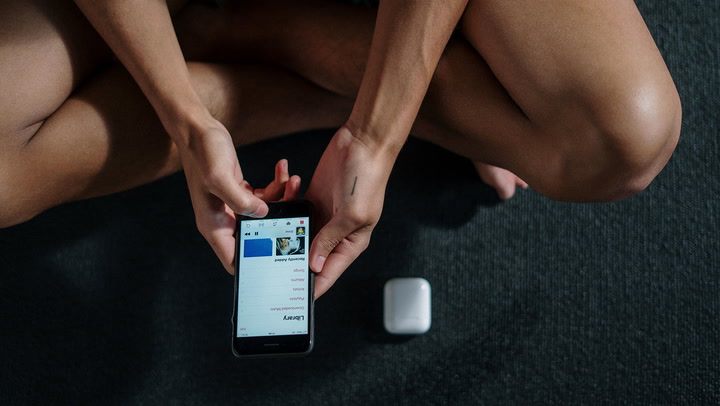 CloseIs a dopamine detox the answer to our social media obsession?
Sign up for our free Health Check email to receive exclusive analysis on the week in health
Get our free Health Check email
Get our free Health Check email
Email*SIGN UPI would like to be emailed about offers, events and updates from The Independent. Read our Privacy notice
Even a short break from social media could be enough to boost your mental health, new research has suggested.
Scientists found taking a detox for just one week was enough to prompt significant drops in anxiety, depression and sleep problems among teenagers, according to the paper published in the journal Jama Network.
Researchers from Harvard University assessed the mental health of 295 young adults aged between 18 and 24 over three weeks. During the first two weeks the participants used social media, but they all took a seven-day break during the third week.
The striking findings showed the detox reduced symptoms of anxiety by 16 per cent, depression by nearly 25 per cent, and and insomnia by 14 per cent. Even more pronounced changes were noted in those who had more severe depressive symptoms at the start of the study.
 Even a seven day break can help boost your mental health, according to scientists (Getty/iStock)
However, researchers said the social media break did not appear to impact loneliness rates, with “no significant” changes found between the weeks.
Study co-author Dr John Torous, an associate professor of psychiatry at Harvard Medical School in Boston, told The New York Times that cutting back on social media shouldn't "be your first-line or your only form of care."
"If you're struggling with a mental health condition, and you have treatment already, it's li
kely worth experimenting to see whether reducing social media helps you feel better,” he advised, but warned against seeing the results as a guarantee for everyone.
He added: "The averages are encouraging, but they definitely don't tell the full story, the variance was just so tremendous."
It comes after a University of Pennsylvania study found that owning and regularly using a smartphone during your pre-teen years could be linked to a string of mental and physical health problems including depression and obesity.
The study that showed children who own the devices at 12 years old are more likely to develop problems with obesity, poor sleep, and depression. The earlier a child acquired their smartphone, the worse their health outcomes in those areas were, results suggested.
"Our findings suggest that we should view smartphones as a significant factor in teen health, approaching the decision to give a child a phone with care and considering potential impacts on their life and health," said lead author Dr Ran Barzilay.
However, like Dr Torous, he warned against seeing smartphones as bad for children’s mental health outright.
“For many teens, smartphones can play a constructive role by strengthening social connections, supporting learning, and providing access to information and resources that promote personal growth,” he said. “Likewise, some families may view a smartphone as a necessity for safety or communication."
More about
Social MediaScientistsMental HealthJoin our commenting forum
Join thought-provoking conversations, follow other Independent readers and see their replies
Comments