- Lifestyle
- Health & Families
- Features
It has been a magical childhood filled with grottos and letters to the North Pole, but suddenly your child is wondering about Santa and risks being teased at school and feeling lied to. Charlotte Cripps’s daughter is in the tricky transitional stage, so she asked the experts what to do
 Wednesday 03 December 2025 05:00 GMTComments
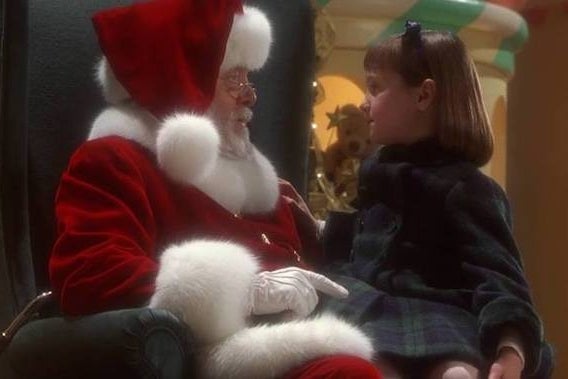 open image in gallery‘Miracle on 34th Street’ explores the true nature of believing for children and adults alike (20th Century Fox)
Sign up to our free Living Well email for advice on living a happier, healthier and longer life
Live your life healthier and happier with our free weekly Living Well newsletter
Live your life healthier and happier with our free weekly Living Well newsletter
Email*SIGN UPI would like to be emailed about offers, events and updates from The Independent. Read our Privacy notice
Is this the year for the big reveal – that Santa is just a big fat lie? My daughter Liberty, seven, came home from school yesterday, and said: “Mummy, is Father Christmas real? A boy in my class says he isn’t.” I was speechless – and didn't know what to say. I stared at the floor – not wanting to catch her gaze.
The big festive lie doesn’t sit well with me, as I don’t want to be blatantly dishonest. Lying to my children about Santa – and the Elf on the Shelf, too – feels like a form of bad parenting that could dismantle well-earned trust. And, frankly, I don’t know how to handle the situation.
I’m surprised my eldest daughter, Lola, nine, isn’t expressing the same nagging doubts. I suspect she might know the truth, as I’m sure she caught me scrolling “stocking fillers” on my phone. Will this be part of a much-discussed childhood trauma in future therapy sessions, will it be seen as triggering, or God forbid, “toxic”. Is it a form of gaslighting to continue the lie?
Of course, I may be overthinking it. I usually do. Nobody ever sat me down for a chat. I just remember my dad tripping over as he delivered our stockings in the early hours of the morning – and waking us all up in the attic. I must have been about 10 years old. Another friend was caught out after taking pictures of her and her husband putting presents under the tree and forgetting that her phone was connected to the family iPad.
According to research, the average age a child stops believing in Santa is eight years old. The Santa Project in 2024, conducted by University of Texas psychologist Dr Candice Mills, also found no evidence of changes in gullibility over the last 40 or 50 years. In fact, the belief business is thriving because of the onslaught of technology, as Santa trackers, or phone apps that let you add Santa, the Easter Bunny and the Tooth Fairy to photos or videos, offer even more realistic-looking proof of their existence.
And, according to more research, 65 per cent of people actually played along with the Santa myth when they were children, even though they knew it wasn’t true, according to Professor Chris Boyle’s international Exeter Santa Study in 2018. While 72 per cent of parents were happy to go along with the myth, 15 per cent of children felt betrayed by their parents, and 10 per cent were angry that the lie was kept up for so long.
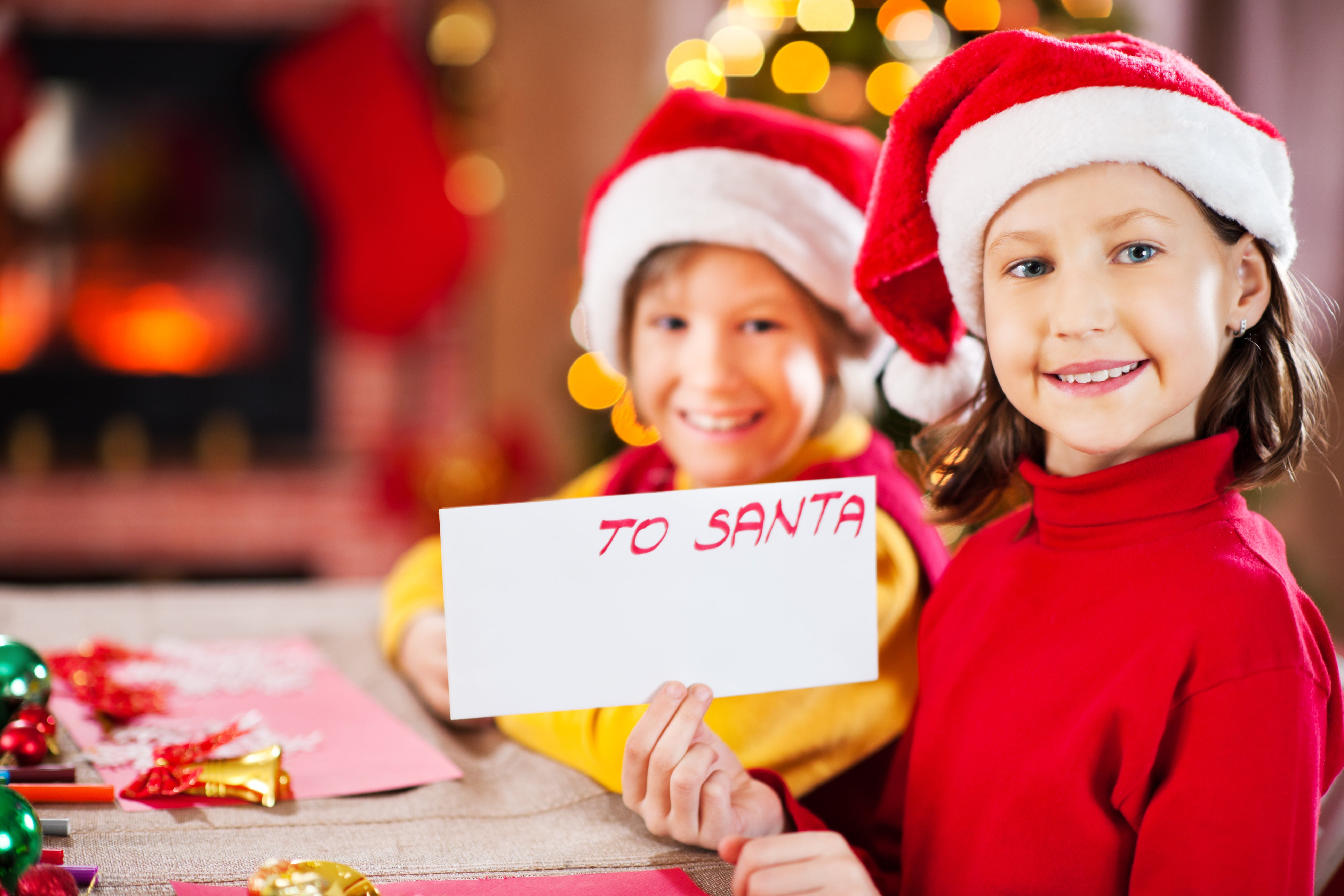 open image in galleryThe average child stops believing in Santa at the age of eight (Getty/iStockphoto)
The reality is that my children are at the “danger zone” age of knowing Santa is fictional. Is it time to transition them over to “Team Santa“, as it’s referred to in parenting circles, when children stop believing and become part of the tradition of giving and keeping the magic alive for others?
My eldest is also at the tipping point, when still being a “believer” could risk making her look foolish at school.
Dr Rohan Kapitany, a lecturer in experimental psychology at Durham University, who was part of a Santa study this year, found telling the truth about Father Christmas is “a judgment call”.
“There's no ‘best’ time to tell kids the truth about Santa, any more than there is about teaching a child about sex,” he says.
“Children will come to their own conclusions one way or another. As for when ... it’s whenever it makes sense to the parent, and so that the child isn't teased by their peers for believing when the majority of their peers/classmates do not.”
He claims the trick is to “promote” children to a new level of responsibility by being in on the secret. “[Teach them] that it is important and valuable for the child to help preserve the magic and the values of Santa and Christmas for their younger siblings, cousins and schoolmates.”
He adds: “It's a rite of passage, and emphasising that this knowledge is not a loss of belief but a gain in responsibility and respect is likely to help children appreciate and contextualise this new adult-like knowledge.”
Alyssa Blask Campbell, an emotional development expert, founder of Seed & Sew online parenting support hub, and the best-selling author of 2025’s Big Kids, Bigger Feelings: Navigating Defiance, Meltdowns, and Anxiety to Raise Confident, Connected Kids, agrees that Santa is not a one-size-fits-all tradition.
“There is no single right moment to tell a child about Santa,” she tells me. “Families do it differently, and that is OK. Most kids figure it out on their own. As they move into middle childhood, around ages five to 12, their peers become a major source of information, and their brains shift toward logic, comparison and social awareness. They start putting pieces together long before parents ever sit down to explain it.”
When they do realise the truth, it’s normal for children to have big feelings about it, she says – and for parents to want to protect them from those hard feelings.
Alyssa Blask Campbell, authorMost kids figure it out on their own. They start putting pieces together long before parents ever sit down to explain it
“[But]the reality is that moments like this become practice repetitions for emotional processing. They learn how to notice their feelings, name them, and move through them with support.
If a child feels lied to, the most important thing a parent can do is stay calm, validate the feeling, and talk openly about it, she says. Campbell advises on supporting them with “simple, grounded connection” – and to offer them a clear truth: “Santa is something many families do to add magic and joy. We shared it because it felt fun and special, not to trick you,” she advises as a good place to start.
Dr Amanda Gummer, a child psychologist and founder of the Good Play Guide, also thinks it’s best to go with the flow. “Most children work out the truth themselves around the age of seven or eight, when their thinking becomes more logical, and they start comparing stories with real-world evidence,” she tells me.
“The healthiest approach is to follow the child’s lead.”
If they’re asking direct questions, that’s usually a sign they’re ready for an honest but “gentle” conversation, she adds. “It’s not damaging to enjoy the Santa tradition. For younger children, it’s part of imaginative play. Where problems can arise is if parents double down with increasingly elaborate stories when a child is clearly doubting it. That can undermine trust,” she says.
 open image in galleryIf a child feels lied to, the most important thing a parent can do is stay calm, validate the feeling, and talk openly about it (Getty/iStockphoto)
And if some of their classmates already know he’s not real, it’s rarely harmful, she adds.
“Children within the same class often reach this stage at different times. What matters is supporting your own child to make sense of what they’ve heard, [and] reassuring them that families do things differently.”
For most children, the transition is smooth and positive, especially when handled with warmth and honesty. “The goal isn’t to break the news at a fixed age, but to help children move from believing in the man to understanding the spirit of Santa in a way that still feels special.”
More about
SantaChildrenFather ChristmaspsychologistsChildJoin our commenting forum
Join thought-provoking conversations, follow other Independent readers and see their replies
Comments
