The Independent's journalism is supported by our readers. If you submit a form or click links to other sites on this page, we will earn commission.
- Home improvement
- Solar Panels
Solar panels keep generating electricity throughout winter – but how much can you realistically expect in the UK?
Jeff MeyerEnergy WriterMonday 01 December 2025 18:56 GMTComments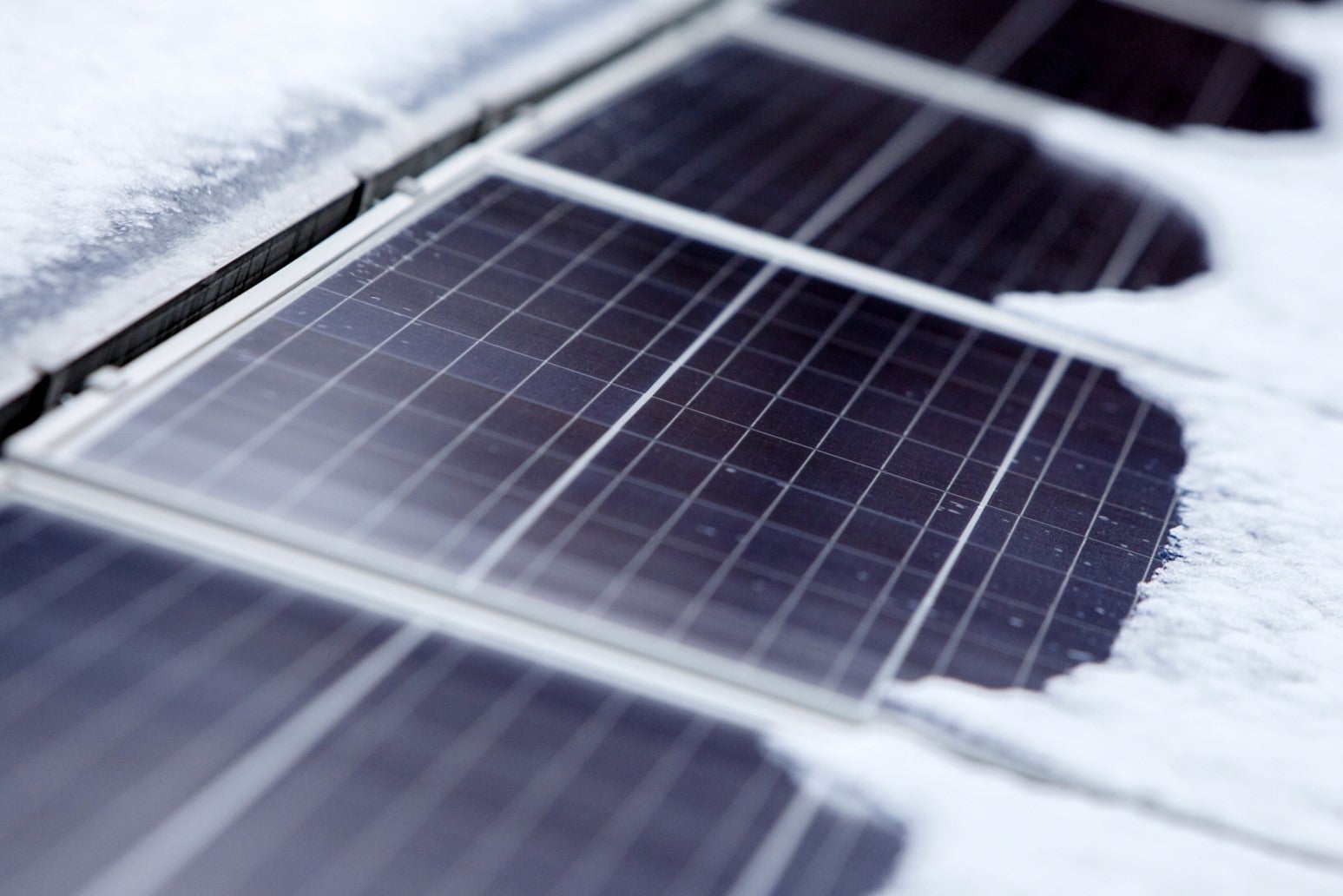 Solar panels keep producing energy when the temperatures drop, but their output will naturally decline (iStock/ Getty Images)
For free real time breaking news alerts sent straight to your inbox sign up to our breaking news emails
Sign up to our free breaking news emails
Sign up to our free breaking news emails
Email*SIGN UPI would like to be emailed about offers, events and updates from The Independent. Read our Privacy notice
When the clocks go back and the days close in, it’s natural to wonder whether solar panels can still pull their weight. The UK’s short daylight hours and famously grey skies fuel a common misconception that solar panels ‘switch off’ in winter. In reality, photovoltaic (PV) systems continue producing electricity throughout the colder months, and in some cases, they even work more efficiently. The catch is simply that there’s less light to work with, so output inevitably dips.
Winter performance varies by region, weather and system design, but the core principle remains the same: solar panels don’t need heat to generate electricity. They need daylight. And in the UK, there’s enough of it year-round for a well-installed system to make a meaningful contribution to your home’s energy use.
Get a quote for solar panels for your home
Use our comparison tool to get a range of free quotes for solar panels from leading installers across the UK.
Do solar panels still generate electricity in winter?
Yes. Solar panels convert sunlight into electricity using PV cells, which respond to light rather than temperature. Cold conditions can actually improve panel efficiency. The challenge is reduced daylight time. A typical December day in the UK has around eight hours of daylight – far less than the 16 or so hours seen in midsummer – so overall production drops.
Even so, solar panels remain active whenever light hits them. They’ll generate less than in summer, but they certainly don’t stop.
How much electricity do solar panels produce in winter?
Production can fall to around 15–30 per cent of summer output, depending on your location and the specifics of your roof and system. National Grid and Energy Saving Trust data consistently show January as one of the lowest‑generation months of the year.
Factors that influence winter output include:
- Orientation and pitch: south-facing roofs at a 30–40° angle capture the most winter light.
- Shading: trees or neighbouring buildings can have a bigger impact when the sun is low.
- Panel type: Monocrystalline panels generally perform better in low-light conditions.
- Geography: Southern England receives more winter sun than northern Scotland, but all regions see seasonal variation.
While generation is lower, it’s still significant enough to reduce grid reliance, especially for households with efficient appliances or those who are home during daylight hours.
Recommended How long do solar panels last and can you recycle them?
 Buying a house with solar panels: what new homeowners need to check
 Solar panel grants UK: How to apply for government funding schemes
 Best solar panel installers UK: Top-rated fitters of 2025
How do weather conditions affect solar output?
Winter weather plays a major role in day-to-day performance, but it doesn’t change the underlying science of how panels work. Much like in summer, output depends on how much light reaches the surface of the panels rather than how warm or cold it is. This is why some of the best solar panels on the market are designed specifically to maintain strong solar panel efficiency even in low-light conditions.
While UK winters do bring shorter days and more cloud cover, these factors don’t mean a system suddenly becomes ineffective. Instead, they simply reduce the window of time during which panels can collect light. For homeowners comparing the cost of solar panels or weighing up whether solar panels are worth it, understanding these seasonal variations helps set more realistic expectations of annual performance.
Below, we break down how different weather conditions influence generation:
Cloudy or overcast days
The UK has plenty of these. Cloud cover reduces generation, but it doesn’t halt it. PV panels can capture diffuse light, which allows them to continue producing electricity even when the sky is grey. In fact, some of the best modern panels are engineered to optimise low‑light absorption, helping to stabilise solar panel efficiency during long stretches of overcast weather. While you won’t see summer‑level performance, a well‑angled, shade‑free system can still produce a steady, usable output throughout the day.
Rain
Beyond dimming the light slightly, rain has a useful upside: it helps wash dust, pollen and debris off the panels, improving overall system health and sometimes boosting performance once the sky brightens. Light rain generally has only a modest impact on generation. Even during heavier downpours, panels continue producing electricity, provided there is still ambient daylight. In regions with frequent rainfall, this natural cleaning effect can reduce the need for maintenance and ensure more consistent output through the winter months.
Snow
Heavy snow can block panels temporarily, but prolonged coverage is rare across much of the UK. A light dusting usually melts quickly because panels are dark and absorb heat. Some homeowners even see short spikes in efficiency after snow has cleared due to the increased reflectivity of the surrounding environment.
How to maximise solar performance in winter
While you can’t control the weather, you can ensure your system works as efficiently as possible.
- Keep panels clean: dirt and debris have a greater impact when daylight is already limited.
- Consider a battery: storing excess electricity from brighter days helps smooth out winter dips.
- Choose high‑performance panels: Monocrystalline models and panels with half‑cut cells handle low light well.
- Use microinverters or optimisers: these can reduce the impact of partial shading.
- Ensure the correct angle: a well‑designed installation can improve winter capture without any intervention later.
Are solar panels still worth it if winter output is low?
Yes. Winter generation is only one chapter in the annual production cycle. Summer months produce far more electricity, often enough to outweigh the quieter winter period dramatically. When you combine this with falling installation costs, energy bill savings and payments from the Smart Export Guarantee, solar remains financially rewarding for most suitable homes.
Solar panels also provide longer‑term protection against rising energy prices. Even modest winter output reduces your dependence on grid electricity at the most expensive time of year.
Overall, the key takeaway is that solar panels don’t go into hibernation when the temperatures drop. They continue generating electricity throughout winter, even on cloudy days, though output naturally falls compared with the height of summer. With the right system design, maintenance and – ideally – a battery, UK homeowners can still benefit from winter solar generation and enjoy meaningful savings across the year.
If you're considering a new system, comparing quotes and understanding your home’s suitability will give you the most accurate picture of expected seasonal performance.
More about
energy efficiencyWinterJoin our commenting forum
Join thought-provoking conversations, follow other Independent readers and see their replies
Comments