- News
- World
- Americas
Maduro continues to call for dialogue - but warns he will stand against the ‘aggressions of imperialism’ if needed
James C. ReynoldsMonday 01 December 2025 12:15 GMTComments
 CloseVenezuela’s president Maduro waves sword as he vows to fight US ‘imperialist aggression’
The latest headlines from our reporters across the US sent straight to your inbox each weekday
Your briefing on the latest headlines from across the US
Your briefing on the latest headlines from across the US
Email*SIGN UPI would like to be emailed about offers, events and updates from The Independent. Read our Privacy notice
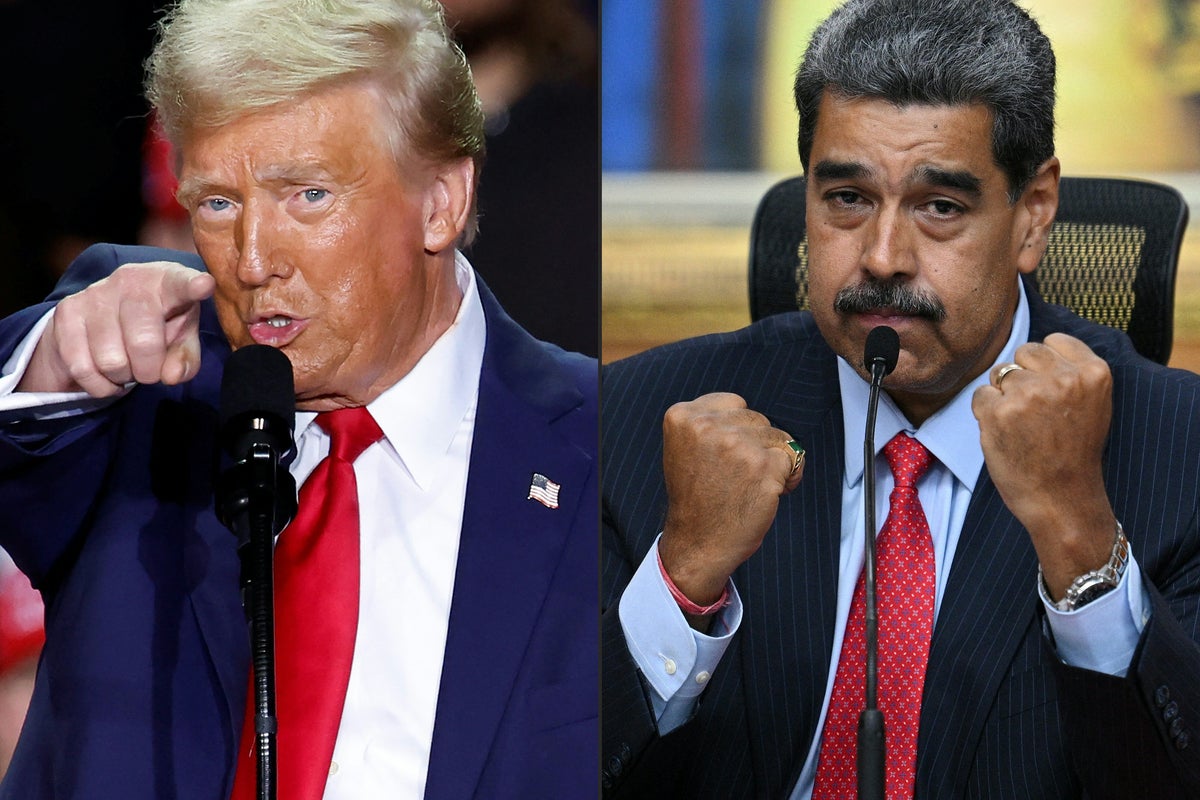
Donald Trump gave Venezuelan president Nicolás Maduro a startling ultimatum to flee his country during their long-awaited phone call, according to a report, as tensions between the pair threatened to spill into all-out conflict.
The US president was unusually coy about the call over the weekend, doing little to ease concerns about the possibility of war amid a massive buildup of American warships and troops in the Caribbean.
“I don’t want to comment on it. The answer is yes,” the US president said on Sunday, when asked if he had spoken to Maduro. “I wouldn’t say it went well or badly. It was a phone call.”
Sources familiar with the exchange told the Miami Herald that the conversation soon reached an impasse as Trump allegedly demanded Maduro and his top allies leave Venezuela. Trump is said to have told Maduro and his family they could be assured of safe passage out of the country if he agreed to resign immediately.
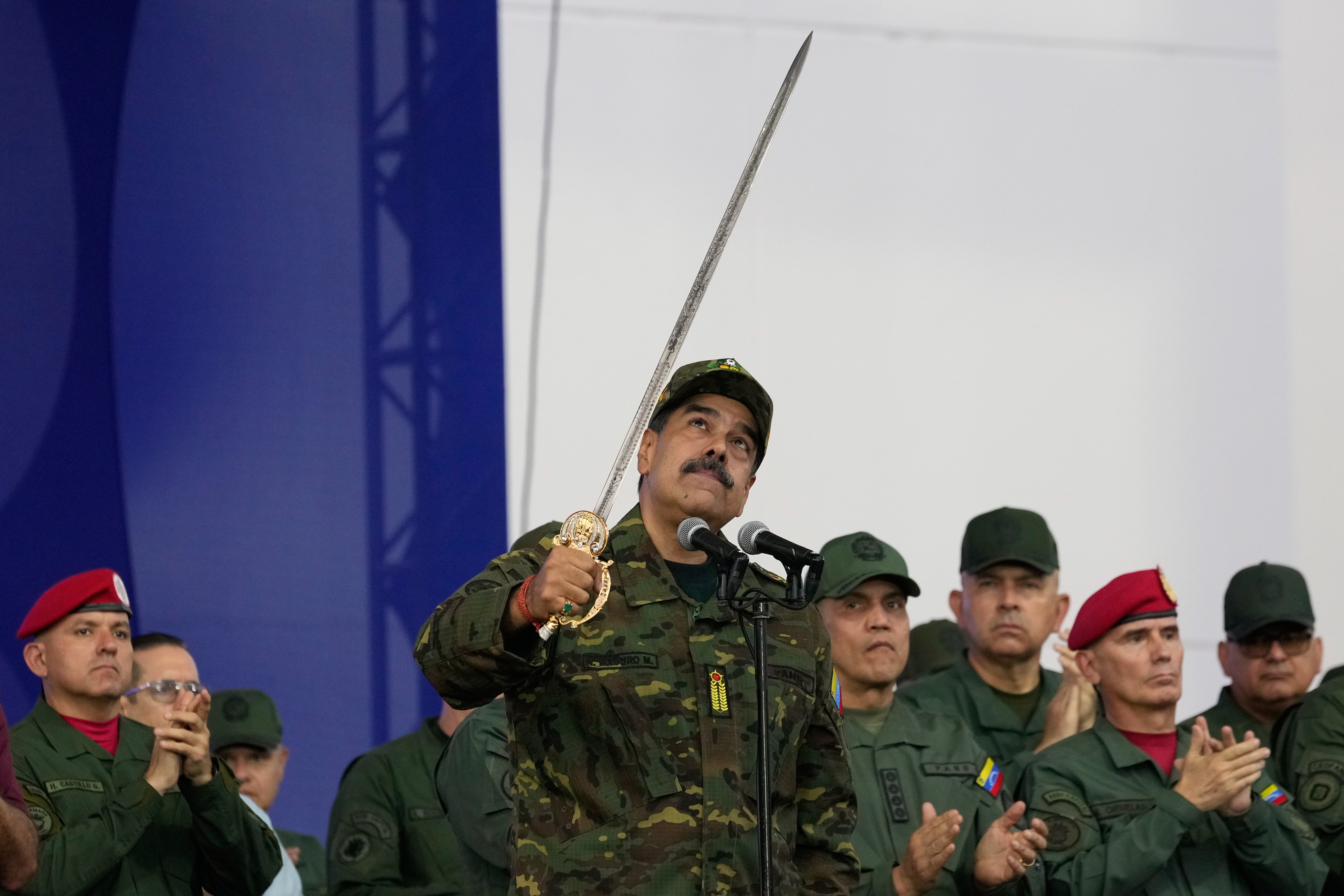 open image in galleryNicolas Maduro, pictured brandishing a sword, has called for peace and dialogue (Copyright 2025 The Associated Press. All rights reserved)
The Independent approached the White House for comment on the report.
The US has sent some 15,000 troops and more than a dozen warships to the region over the last few months as part of what Trump has framed as a war against drug cartels. Maduro has accused Washington of trying to force regime change.
That threat has become more palpable over the last few days, as Trump warned that land operations could be coming “very soon”, and that pilots should avoid Venezuelan airspace.
Will the US strike Venezuela?
Trump warned “airlines, pilots, drug dealers and human traffickers” last week that they should consider the airspace around Venezuela closed amid fears Washington is preparing to carry out airstrikes.
The US president later told reporters not to “read anything into it”, adding that he had issued the threat “because we consider Venezuela to be not a very friendly country.”
The US is not legally able to close Venezuela’s airspace. But it could agitate Caracas by encouraging airlines to steer clear, creating a deeper sense of insecurity at home. Venezuela described the comments as a "colonialist threat" against its sovereignty.
Last week, Trump threatened to escalate action against Venezuela by moving to operations on land.
“You probably noticed that people aren’t wanting to be delivering [drugs] by sea, and we’ll be starting to stop them by land also. The land is easier, but that’s going to start very soon.”
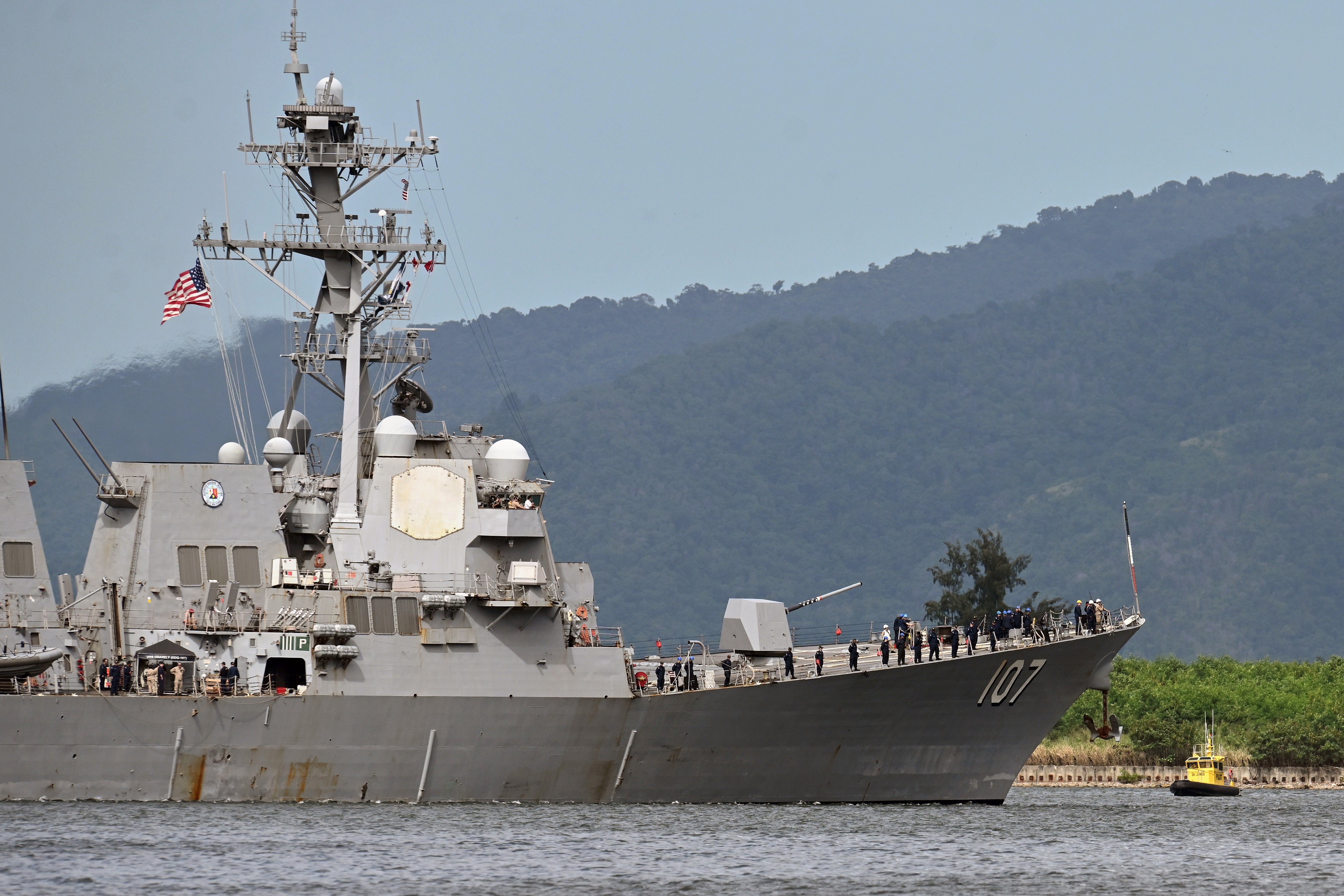 open image in galleryThe USS Gravely joined the warships sat outside Venezuela amid a buildup in the Caribbean (Copyright 2025 The Associated Press. All rights reserved)
Why has the US sent a naval fleet to Venezuela’s coast?
The US has amassed warships and troops in the region over the last few months as part of “Operation Southern Spear”.
That includes the 337m USS Gerald R Ford aircraft carrier, capable of carrying around 4,600 personnel and 90 aircraft. It has also included guided missile destroyers, amphibious assault ships and oil tankers for refuelling vessels.
Pete Hegseth, US Secretary of War, says Southern Spear is aimed at removing narco-traffickers from the Western Hemisphere.
More than 80 people have been killed in strikes on suspected vessels so far in the past three months. The Trump administration has not provided evidence that the boats were carrying drugs.
Maduro says the show of force in the region is part of an effort to oust him from power.
Dr Christopher Sabatini, senior fellow for Latin America at the Chatham House think tank, told the BBC in October that the administration was aiming to show strength in an effort to displace Maduro.
“This is about regime change,” he said, adding that it was unlikely the US would invade.
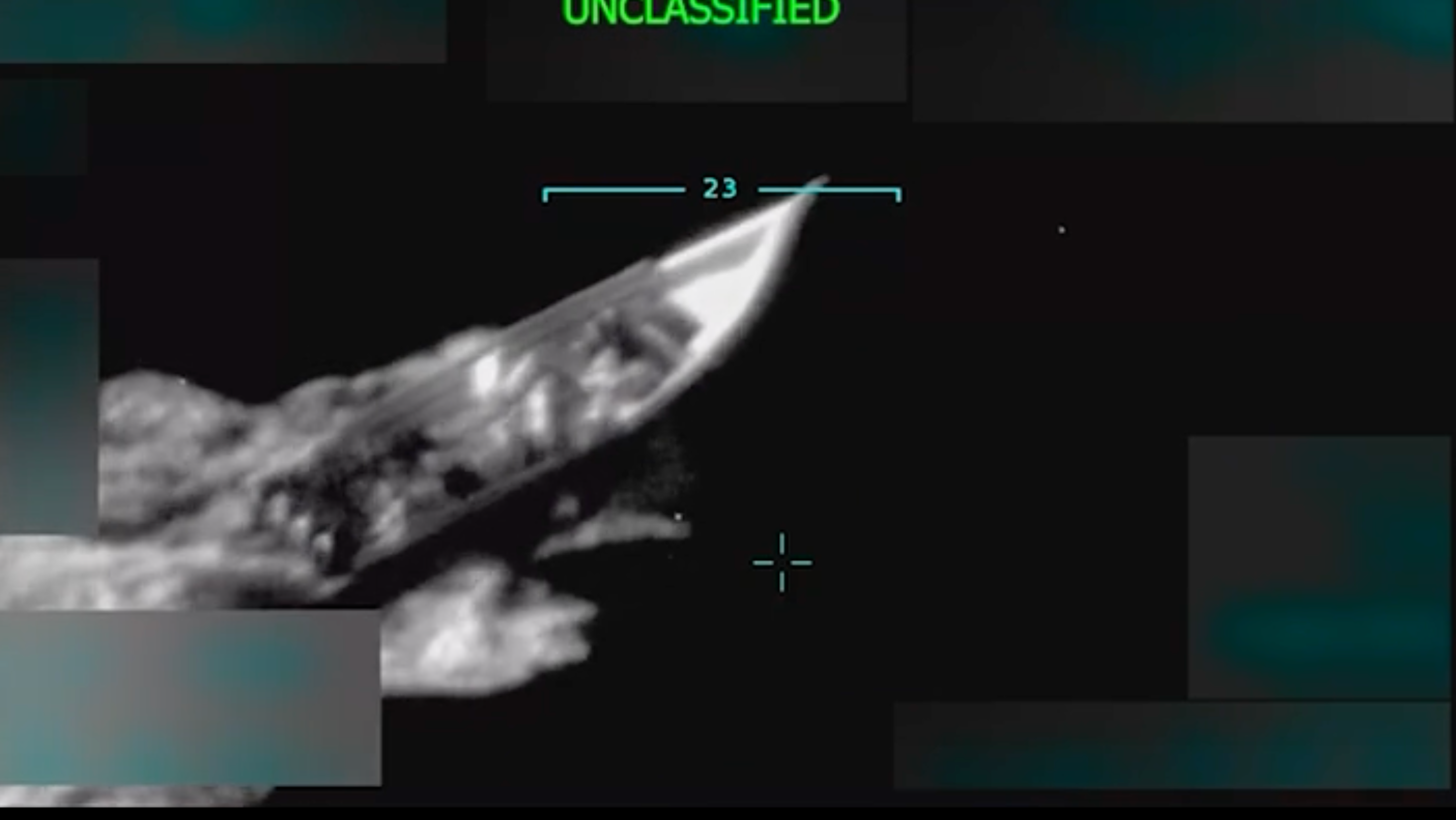 open image in galleryFootage shows a US missile strike on a boat allegedly carrying drugs (White House)
How has Maduro responded?
Maduro initially sent some 15,000 troops to the border with Colombia to fight drug trafficking in August. But the US has continued to amass forces in the region regardless.
Venezuela has had a careful balance to maintain between insisting upon dialogue and standing firm against perceived aggression.
Last week, Maduro appeared at a rally with the sword of independence leader Simón Bolívar and promised to stand against imperialism.
"I swear before this sky, I swear before our Lord Jesus Christ, that I will give my all for the victory of Venezuela against the threats and aggressions of imperialism," he said.
But he has also continued to call for deescalation. Last month, Maduro sang John Lennon’s ‘Imagine’ during a rally in Miranda, and once spoke directly to American audiences in English to call for peace and urge against war.
In the worst-case scenario, Venezuela is believed to be preparing to mount a guerrilla-style resistance or sow chaos, according to sources and planning documents. Resistance could involve small military units carrying out acts of sabotage and other guerrilla tactics.
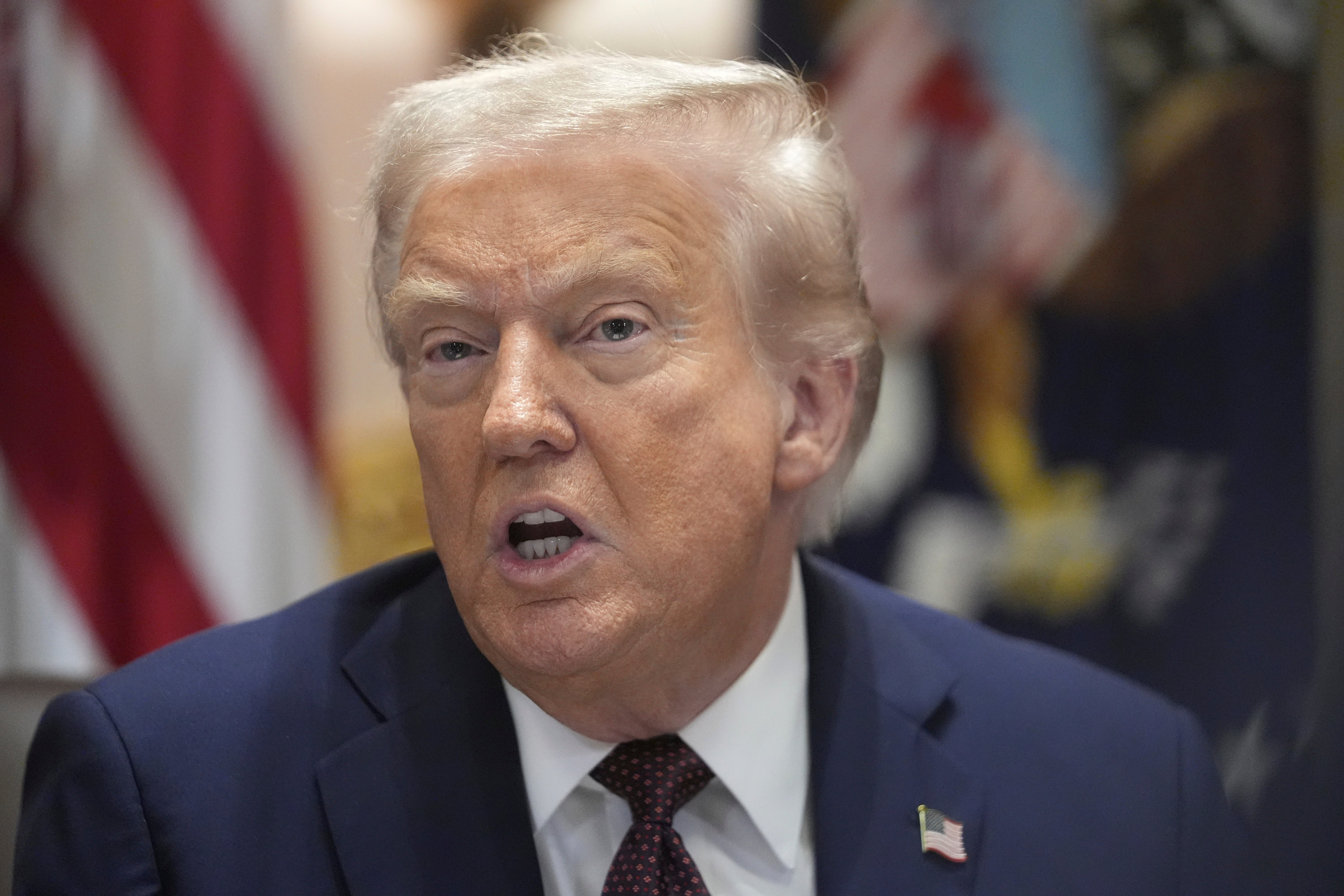 open image in galleryTrump held a phone call with Maduro over the weekend (AP)
Historic tensions between the US and Venezuela
Trump has long blamed Venezuela for a drug epidemic in his country, claiming Caracas is pouring narcotics into the US through illegal channels. Venezuela has denied the allegations, asserting that the vast majority of cocaine produced in Colombia departs through the Pacific.
Maduro is widely considered a dictator and not recognised by the US as Venezuela's legitimate leader. He was sworn in to a third six-year term in January, and he maintains he was the legitimate winner of the presidential election last year.
The opposition said there is credible evidence that its candidate had won the vote, as it urged the US and other countries to ramp up pressure on Maduro to force him out of office.
The Trump administration announced a $50m reward earlier this year for Maduro’s arrest, accusing him of being one of the world's largest drug traffickers and working with cartels to flood the US with fentanyl-laced cocaine. Maduro denies any connection to the drug trade.
More about
Nicolas MaduroVenezuelaDonald TrumpUSJoin our commenting forum
Join thought-provoking conversations, follow other Independent readers and see their replies
Comments