- Home
- Business
The agriculture sector has been plagued by low commodity prices and is facing an uncertain trade outlook.
 By
Matthew Housiaux
published
19 February 2026
in News
By
Matthew Housiaux
published
19 February 2026
in News
When you purchase through links on our site, we may earn an affiliate commission. Here’s how it works.
- Copy link
- X
Profit and prosper with the best of Kiplinger's advice on investing, taxes, retirement, personal finance and much more. Delivered daily. Enter your email in the box and click Sign Me Up.
Contact me with news and offers from other Future brands Receive email from us on behalf of our trusted partners or sponsors By submitting your information you agree to the Terms & Conditions and Privacy Policy and are aged 16 or over.You are now subscribed
Your newsletter sign-up was successful
Want to add more newsletters?

Delivered daily
Kiplinger Today
Profit and prosper with the best of Kiplinger's advice on investing, taxes, retirement, personal finance and much more delivered daily. Smart money moves start here.
Signup +
Sent five days a week
Kiplinger A Step Ahead
Get practical help to make better financial decisions in your everyday life, from spending to savings on top deals.
Signup +
Delivered daily
Kiplinger Closing Bell
Get today's biggest financial and investing headlines delivered to your inbox every day the U.S. stock market is open.
Signup +
Sent twice a week
Kiplinger Adviser Intel
Financial pros across the country share best practices and fresh tactics to preserve and grow your wealth.
Signup +
Delivered weekly
Kiplinger Tax Tips
Trim your federal and state tax bills with practical tax-planning and tax-cutting strategies.
Signup +
Sent twice a week
Kiplinger Retirement Tips
Your twice-a-week guide to planning and enjoying a financially secure and richly rewarding retirement
Signup +
Sent bimonthly.
Kiplinger Adviser Angle
Insights for advisers, wealth managers and other financial professionals.
Signup +
Sent twice a week
Kiplinger Investing Weekly
Your twice-a-week roundup of promising stocks, funds, companies and industries you should consider, ones you should avoid, and why.
Signup +
Sent weekly for six weeks
Kiplinger Invest for Retirement
Your step-by-step six-part series on how to invest for retirement, from devising a successful strategy to exactly which investments to choose.
Signup + An account already exists for this email address, please log in. Subscribe to our newsletterTo help you understand what's going on in the economy and what we expect to happen in the future, our highly experienced Kiplinger Letter team will keep you abreast of the latest developments and forecasts (Get a free issue of The Kiplinger Letter or subscribe). You'll get all the latest news first by subscribing, but we will publish many (but not all) of the forecasts a few days afterward online. Here’s the latest…
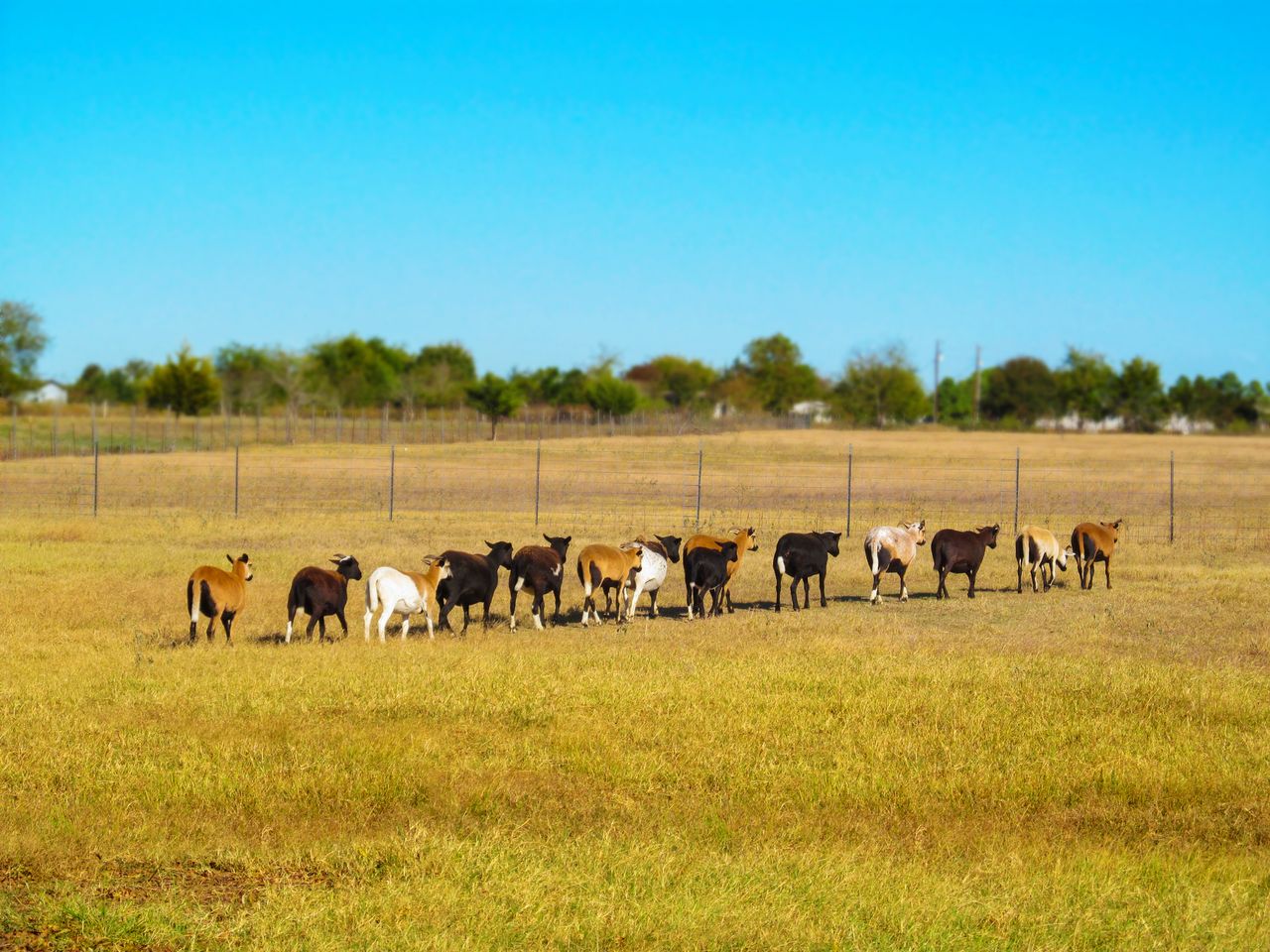
2026 will be another rough year for farmers, marked by high production costs, lower farm income, escalating debt and an uncertain trade situation.
Net farm income will fall to $153.4 billion, down 0.7% from last year and 15.7% below the record highs seen in 2022. Cash receipts for crops and livestock will both decline, reflecting the downturn in commodity markets, which will be offset this year by more government assistance (up 45% from 2025). One exception: Cattle. Persistently high beef demand, coupled with the smallest cattle head count since 1961, will keep prices high.
From just $107.88 $24.99 for Kiplinger Personal Finance
Become a smarter, better informed investor. Subscribe from just $107.88 $24.99, plus get up to 4 Special Issues
CLICK FOR FREE ISSUE
Sign up for Kiplinger’s Free Newsletters
Profit and prosper with the best of expert advice on investing, taxes, retirement, personal finance and more - straight to your e-mail.
Profit and prosper with the best of expert advice - straight to your e-mail.
Sign upMeanwhile, production costs will reach a record $478 billion, with property taxes, fees and electricity expenses all set to increase. Feed, fuel, fertilizer and other fundamental agriculture inputs have retreated from recent highs, but have settled at levels significantly higher than before the pandemic. Total farm-sector debt will increase to $624.7 billion. Underscoring the financial strain farmers are under, a majority plan to use the increased government aid to pay down debt instead of spending it on their operations.
Major crop prices are below break-even levels: Around $5 per bushel for corn and $12 per bushel for soybeans. Favorable weather stemming from the onset of El Niño is expected to keep output high and prices low, but lingering drought could present complications. At the start of the year, 32% of corn acres, 38% of soybean acres and 42% of winter wheat acres were in some sort of drought, which could pose a problem for planting if it endures into the spring.
The trade outlook will depend on the Supreme Court, which is poised to rule on the president’s tariff authority. Farmers would welcome a pullback in these duties, which have increased the cost of agricultural inputs and hurt the competitiveness of American exports. But even if the United States Supreme Court rules against the current administration, it’s unclear how quickly United States exports would recover. Many longtime trade partners are looking elsewhere. China, for one, has gone back to buying Brazilian soybeans after meeting a 12 million-ton quota agreed as part of a trade truce with the United States.
For now, expect the agricultural trade deficit to narrow slightly this year to $37 billion, down from $43.7 billion, with both exports and imports shrinking.
The result will be a mixed bag for food prices. The Department of Agriculture is forecasting an overall increase of 3.0% (1.7% for food consumed at home, 4.6% for food consumed away from home).
Consumers will benefit from price declines for household staples like eggs (-22.2%) amid improvements in fighting the spread of avian influenza. Dairy product and pork prices are also expected to fall slightly, while poultry (0.2%), fresh fruits (0.2%) and vegetables (2.0%) will see small hikes. By contrast, the cost of beef will rise by 9.4%. Sugar and sweets will see a 6.7% increase.
This forecast first appeared in The Kiplinger Letter, which has been running since 1923 and is a collection of concise weekly forecasts on business and economic trends, as well as what to expect from Washington, to help you understand what’s coming up to make the most of your investments and your money. Subscribe to The Kiplinger Letter.
Read more
- What to Expect from the Global Economy This Year
- Another Down Year for Agriculture
- The U.S. Economy Will Gain Steam This Year
 Matthew HousiauxReporter, The Kiplinger LetterHousiaux covers the White House and state and local government for The Kiplinger Letter. Before joining Kiplinger in June 2016, he lived in Sioux Falls, SD, where he was the forum editor of Augustana University's student newspaper, the Mirror. He also contributed stories to the Borgen Project, a Seattle-based nonprofit focused on raising awareness of global poverty. He earned a B.A. in history and journalism from Augustana University.
Latest
Matthew HousiauxReporter, The Kiplinger LetterHousiaux covers the White House and state and local government for The Kiplinger Letter. Before joining Kiplinger in June 2016, he lived in Sioux Falls, SD, where he was the forum editor of Augustana University's student newspaper, the Mirror. He also contributed stories to the Borgen Project, a Seattle-based nonprofit focused on raising awareness of global poverty. He earned a B.A. in history and journalism from Augustana University.
Latest
-
 Nasdaq Leads a Rocky Risk-On Rally: Stock Market Today
President Trump said he will decide within the next 10 days whether or not the U.S. will launch military strikes against Iran.
-
 Over 65? Here's What the New $6K Senior Tax Deduction Means for Medicare IRMAA
Tax Breaks A new tax deduction for people over age 65 has some thinking about Medicare premiums and MAGI strategy.
-
 U.S. Congress to End Emergency Tax Bill Over $6,000 Senior Deduction and Tip, Overtime Tax Breaks in D.C.
Tax Law Here's how taxpayers can amend their already-filed income tax returns amid a potentially looming legal battle on Capitol Hill.
-
 AI Sparks Existential Crisis for Software Stocks
The Kiplinger Letter Fears that SaaS subscription software could be rendered obsolete by artificial intelligence make investors jittery.
-
 Big Change Coming to the Federal Reserve
The Lette A new chairman of the Federal Reserve has been named. What will this mean for the economy?
-
 A Scary Emerging AI Threat
The Kiplinger Letter An emerging public health issue caused by artificial intelligence poses a new national security threat. Expect AI-induced psychosis to gain far more attention.
-
 An Inflection Point for the Entertainment Industry
The Kiplinger Letter The entertainment industry is shifting as movie and TV companies face fierce competition, fight for attention and cope with artificial intelligence.
-
 The U.S. Economy Will Gain Steam This Year
The Kiplinger Letter The Letter editors review the projected pace of the economy for 2026. Bigger tax refunds and resilient consumers will keep the economy humming in 2026.
-
 Humanoid Robots Are About to be Put to the Test
The Kiplinger Letter Robot makers are in a full-on sprint to take over factories, warehouses and homes, but lofty visions of rapid adoption are outpacing the technology’s reality.
-
 Trump Reshapes Foreign Policy
The Kiplinger Letter The President starts the new year by putting allies and adversaries on notice.
-
 Congress Set for Busy Winter
The Kiplinger Letter The Letter editors review the bills Congress will decide on this year. The government funding bill is paramount, but other issues vie for lawmakers’ attention.