 Getty Images
As the United States ramps up its military footprint in South America, claiming to target drug-trafficking organizations operating in the region and escalating pressure on the Maduro regime, a new investigation found that the Trump administration has heavily leaned on social media to shape the public narrative and influence how its campaign is perceived.
According to an investigation by the Miami Herald, that rise in tensions has been paired with a steady stream of messaging about Venezuela from U.S. officials and agencies, which for months have posted about the dangers tied to Nicolás Maduro's government and the threat that criminal groups based in Venezuela could pose to the United States.
Related-
Maduro Reportedly Offered Free Elections In Exchange For Keeping Control Of The Armed Forces; Trump Said No

-
Trump Reportedly Warned Maduro That U.S. Will Escalate Military Action If He Doesn't Leave Venezuela Soon
A review of more than 56,000 posts on X from three dozen accounts, including those of President Donald Trump, Defense Secretary Pete Hegseth, Secretary of State Marco Rubio and Homeland Security Secretary Kristi Noem, found that their messaging about Venezuela has grown more negative and aggressive over time, and the volume of those posts surged as the first American troops reached the Caribbean Sea in late August.
Earlier this morning, on President Trump's orders, I directed a lethal, kinetic strike on a narco-trafficking vessel affiliated with Designated Terrorist Organizations in the USSOUTHCOM area of responsibility. Four male narco-terrorists aboard the vessel were killed in the… pic.twitter.com/QpNPljFcGn
— Secretary of War Pete Hegseth (@SecWar) October 3, 2025
During the early months of his second term, Trump and other high-ranking officials used social media to warn about the presence of Tren de Aragua gang members in the United States, and they also relied on those posts to defend their effort to end temporary protected status for thousands of Venezuelans living in the country, framing it as a national concern.
But according to the outlet'sinvestigation, recent posts about the Maduro regime and military tensions have drawn nearly 1.5 million views on average, five times more than posts earlier this year focused on undocumented Venezuelan immigrants.
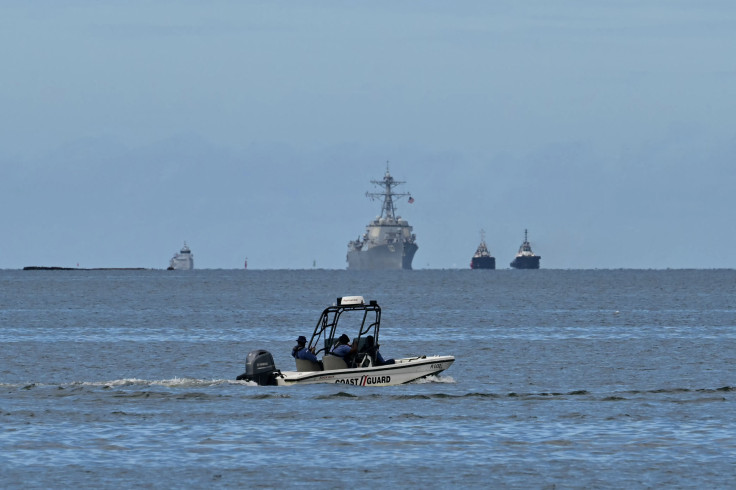
Since U.S. troops were deployed to South America in late August, the military has carried out more than 20 attacks on alleged vessels transporting drugs and drug traffickers, killing more than 80 people in the process.
As noted by the Miami Herald, while Trump initially posted about fighting fentanyl trafficking when the strikes first began in September, recent posts from him and from other administration officials and federal agency accounts have been more vague, relying on broad terms like "drugs" and "narcotics" without offering additional information about the attacks, which has raised concerns in Congress and among U.S. allies that the lethal strikes may be illegal and violate international law.
According to Christopher Hernandez-Roy, an expert on South America with the Center for Strategic and International Studies, the current rhetoric used by U.S. officials on social media is a way to prepare the ground for possible military strikes on Venezuelan territory.
"This is a use of hard power to provoke a change. The administration is trying to scare the pants off of Venezuela," Hernandez-Roy told the Miami Herald.
As negative posts about Venezuela have become more frequent and more heated, Pinar Yildirim, a professor at the University of Pennsylvania who studies political messaging and social media, told the outlet that Trump and other officials have relied on these platforms to spread their views because social media removes most moderation or interference from fact checks and traditional news outlets.
Despite a request for comment from the Miami Herald, the White House and State Department did not respond to specific questions about the administration's public messaging. In response, Anna Kelly, a White House spokesperson, told the outlet that all the strikes targeted individuals designated as narco-terrorists who were trafficking "deadly poison" to the United States, signaling that airstrikes are likely to continue.
"The President will continue to use every element of American power to stop drugs from flooding into our country and to bring those responsible to justice," she said.
Related-
Venezuelan Regime Reportedly Believes U.S. Military Threats Are a Bluff And Maduro Can Only Be Ousted With Troops On The Ground

-
Trump Admin Officials Ignored Legal Objections to Pursue Military Campaign in South America: Report

© 2025 Latin Times. All rights reserved. Do not reproduce without permission.
Tags: Donald Trump, Venezuela, Marco Rubio, Kristi Noem, Social media, United States, Nicolas Maduro