- Cameras
- Mirrorless Cameras
There are four years between models, so what new tech does the mark V bring?
Comments (0) ()When you purchase through links on our site, we may earn an affiliate commission. Here’s how it works.
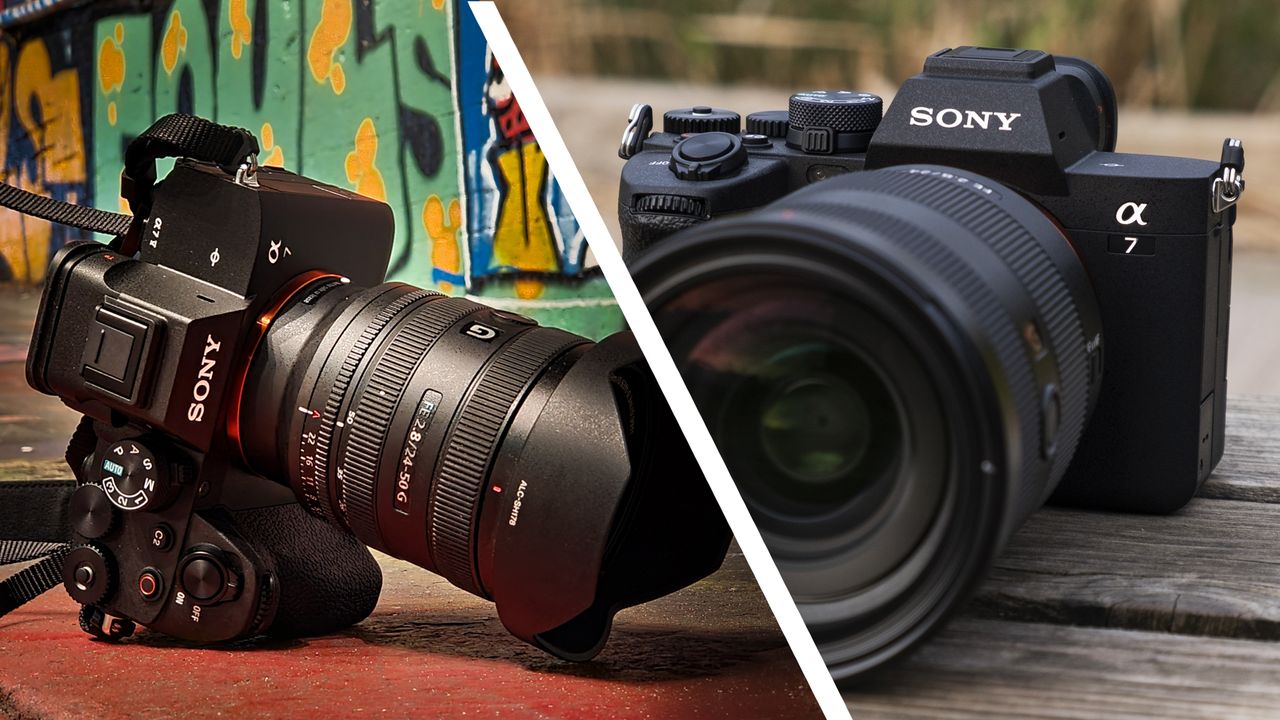
 Sony A7 V (left), Sony A7 IV (right)
(Image credit: Future)
Jump to:
Sony A7 V (left), Sony A7 IV (right)
(Image credit: Future)
Jump to:
- Sensor
- Speed
- Performance
- Image quality
- Design
- Early verdict

 No price informationCheck Amazon Singapore
 No price informationFull reviewWe check over 250 million products every day for the best prices
An upgraded partially stacked 33MP sensor and new Bionz XR 2 processor deliver next level performance, while design tweaks further improve handling.
Sony A7 IV Today's best Sony A7 IV deals SG$2,747.60View Deal
 SG$2,780View Deal
 SG$3,579 SG$3,117.50View DealWe check over 250 million products every day for the best prices
Cutting-edge at its 2021 launch, the A7 IV has a 33MP full-frame sensor and superb battery life, and it now costs much less.
However, before Sony fans feel disappointed, the A7 V has Sony's latest processor and a new kind of sensor, which combined deliver a raft of performance improvements. There are several tweaks to the A7 V's design too, which go some way to enhancing the user experience, as we found out during our product-testing period.
You may like-
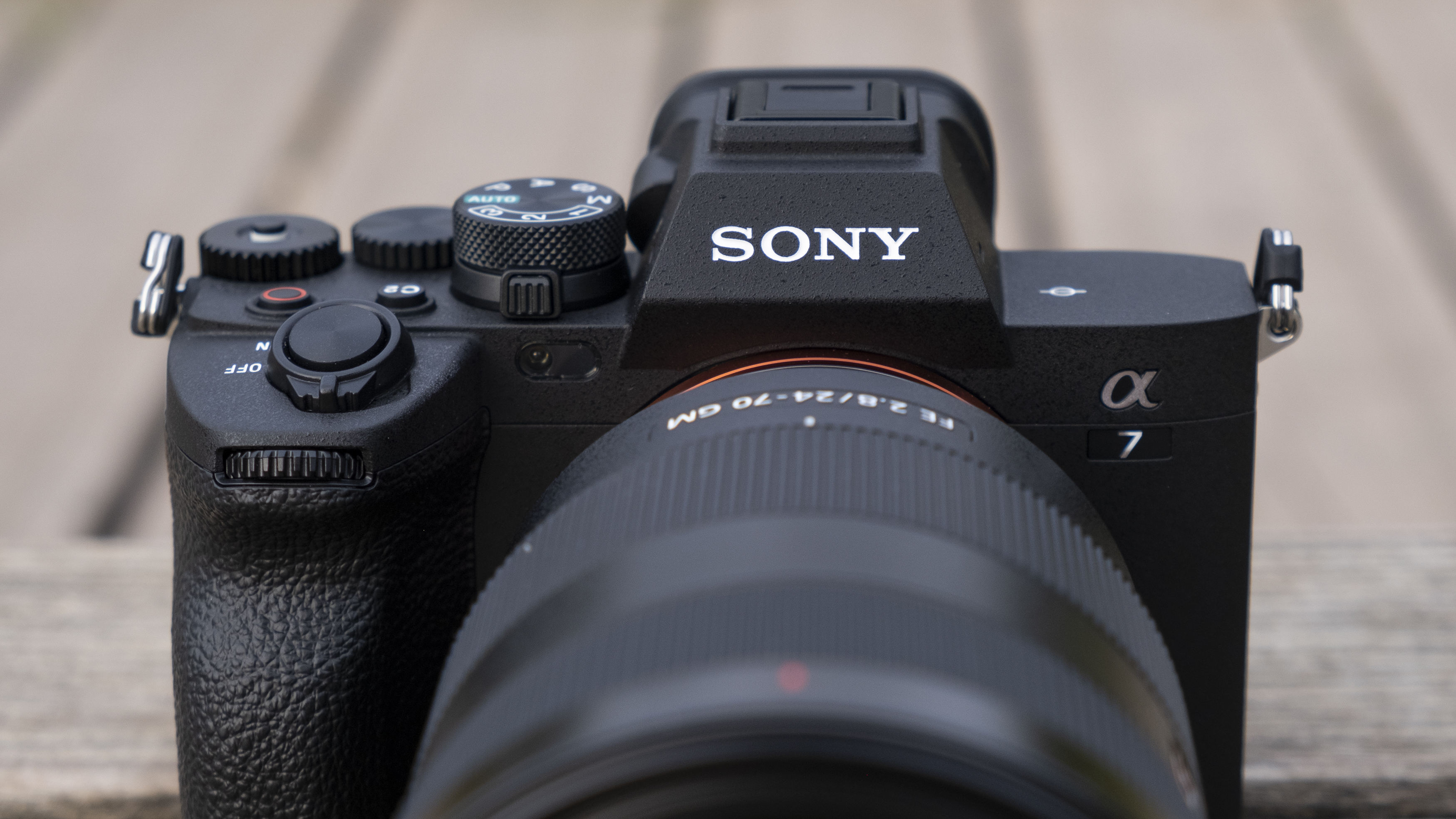 The Sony A7 V could launch soon – here are 5 upgrades that could make it the perfect all-rounder
-
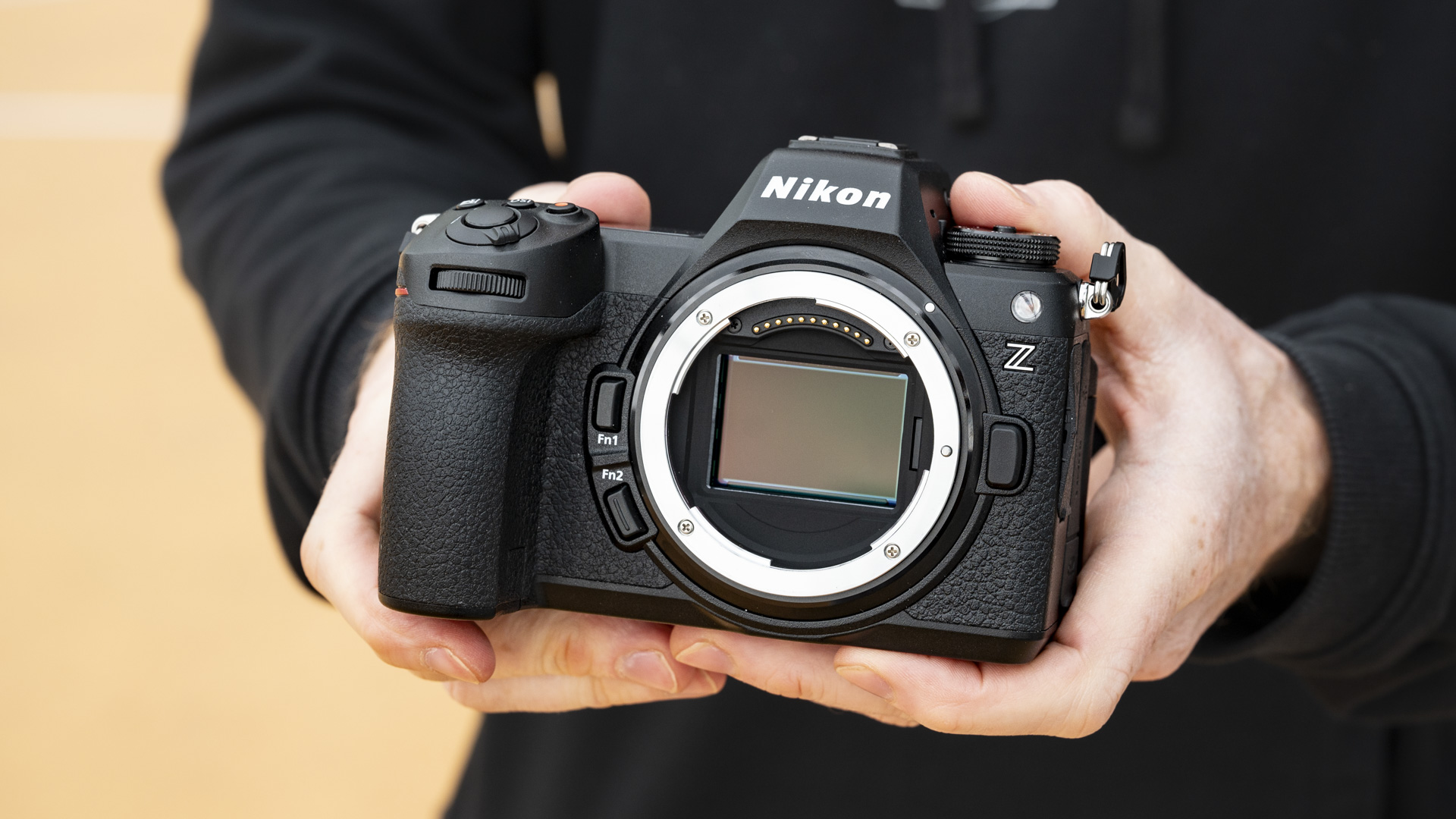
 The first leaked Sony A7 V images suggest the Nikon Z6 III will have some serious competition soon
-
 Best full-frame camera 2025: the top big sensor DSLRs and mirrorless cameras
Without further ado, let's dig in to the key differences between the Sony A7 V and Sony A7 IV, based on real world testing.
1. Sony A7 V vs Sony A7 IV: sensor
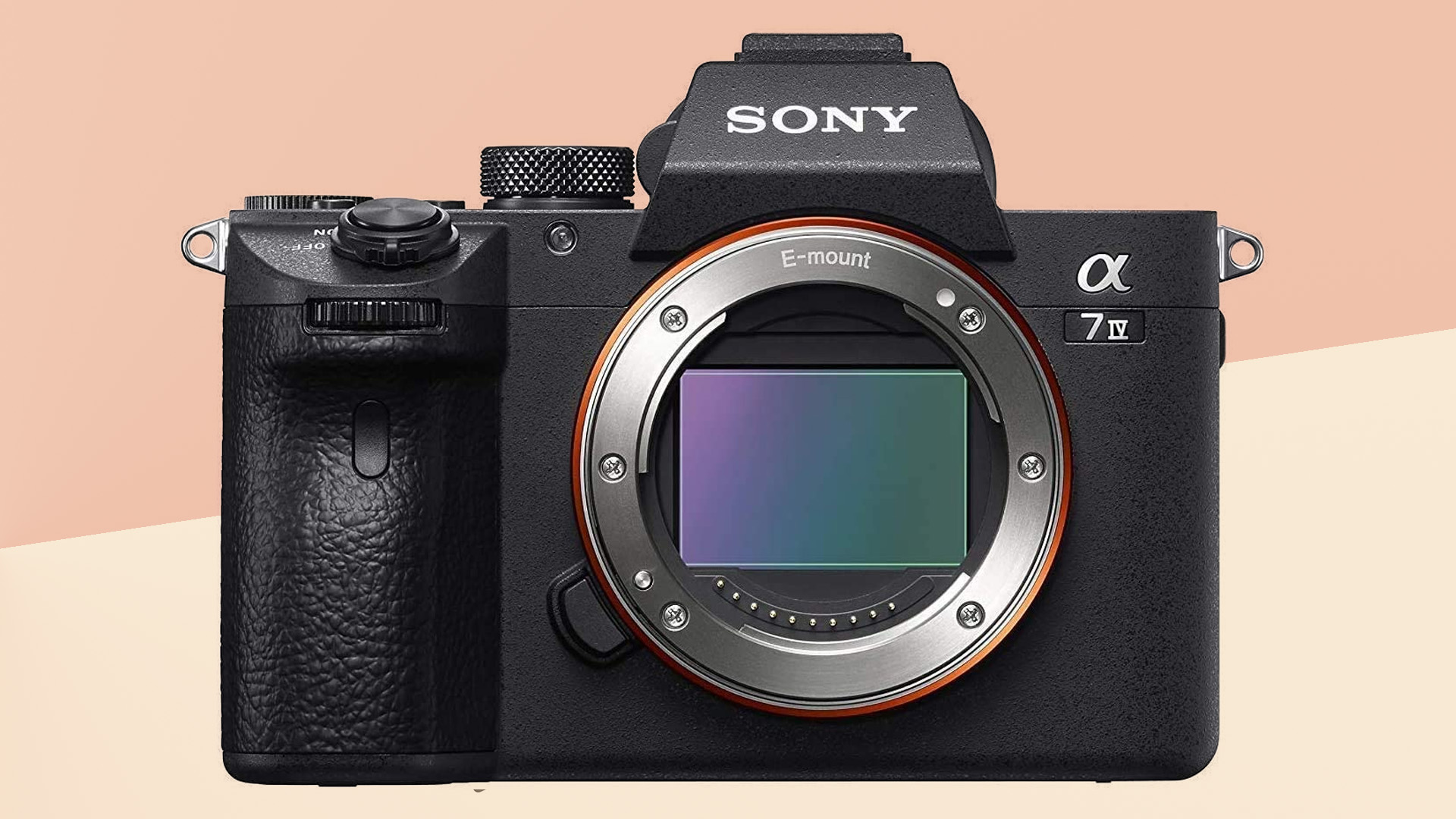
- Both cameras have 33MP full-frame sensors
- The A7 V's is partially stacked, which delivers performance improvements
- On the flipside, partially stacked sensors historically reduce light sensitivity
The A7 V is Sony's first foray into partially stacked sensors and is a key difference from the regular sensor in the A7 IV (much like how the Nikon Z6 III upgraded the Nikon Z6 II). The pricier Sony A1 II has a next-level fully stacked sensor.
Both deliver 33MP stills, but the read out speed of the A7 V's sensor is faster, which delivers several performance improvements, including a better handle on rolling shutter distortion, which the A7 IV is notoriously bad for.
On the flipside, partially stacked sensors historically reduce light sensitivity, which should impact low light image quality and compromise dynamic range. Sony states on the contrary, noting the improved 16EV dynamic range of the A7 V over the A7 IV.
Get daily insight, inspiration and deals in your inboxContact me with news and offers from other Future brandsReceive email from us on behalf of our trusted partners or sponsorsBy submitting your information you agree to the Terms & Conditions and Privacy Policy and are aged 16 or over.We didn't have the two cameras side by side for testing and making such comparisons, but it would seem from our A7 V testing that the new model's dynamic range is certainly no worse than the A7 IV's, even if 16EV seems ambitious.
Somehow, Sony has been able to deliver the performance improvements from the new sensor type, without image quality compromises.
- Sensor winner: Sony A7 V
 Sony A7 IV SG$2,747.60View DealSee all pricesWe check over 250 million products every day for the best prices
2. Sony A7 V vs Sony A7 IV: autofocus and speed
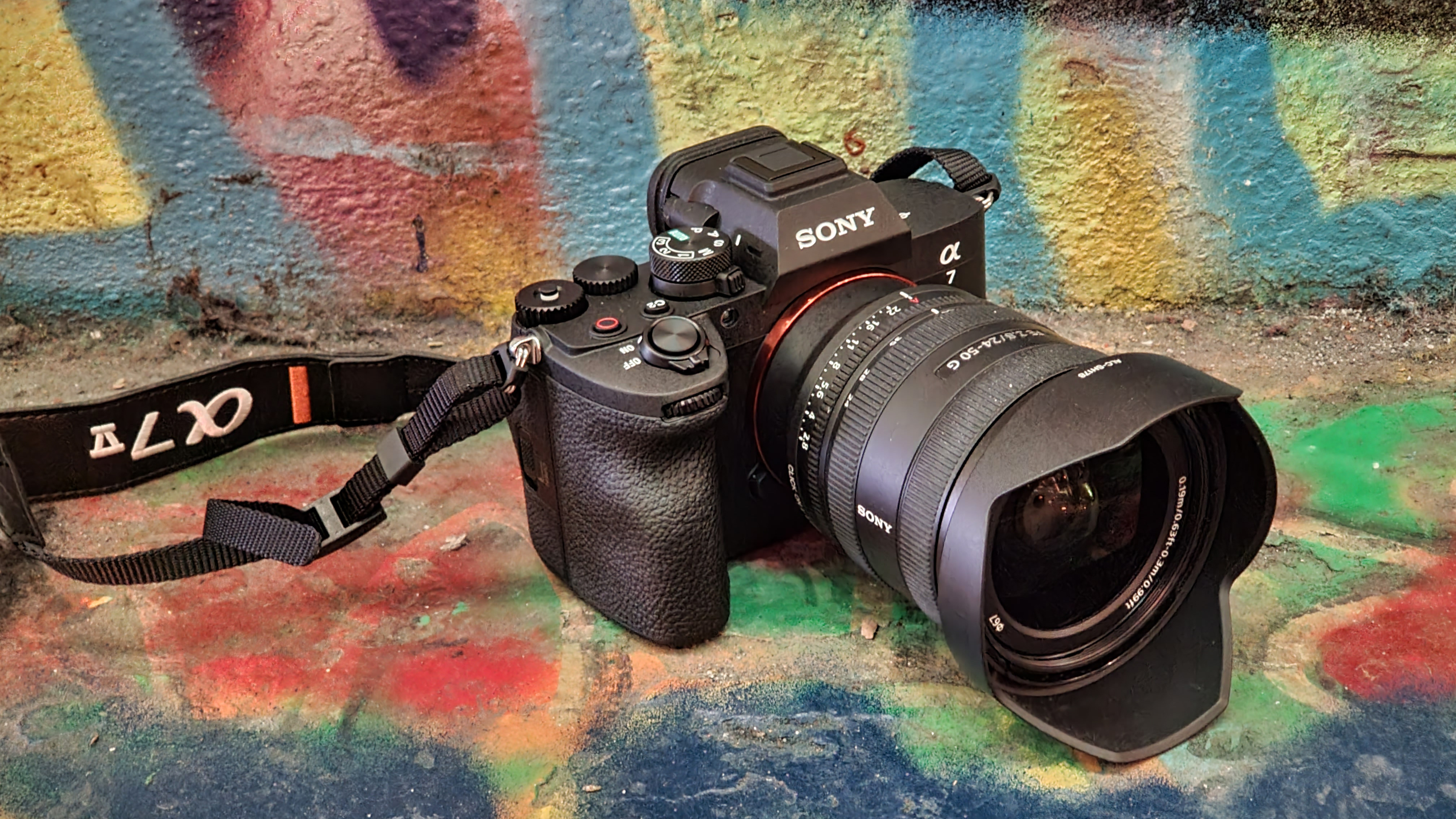
- The Sony A7 IV has a new Bionz XR 2 processor
- It features an integrated AI processing unit and improved autofocus
- Max shooting speed is bumped from 10fps to 30fps, and now includes pre-capture
In a first for Sony, the A7 V features a new Bionz XR2 processor, which integrates an AI processing unit. This unit is separate from the main processor in the A7R V and A1 II which therefore have two processors, but here it is combined into one and delivers the 'AI' performance improvements you'd hope for, such as improved subject detection autofocus and white balance accuracy.
You may like-
The Sony A7 V could launch soon – here are 5 upgrades that could make it the perfect all-rounder
-
The first leaked Sony A7 V images suggest the Nikon Z6 III will have some serious competition soon
-
Best full-frame camera 2025: the top big sensor DSLRs and mirrorless cameras
Sony says AF performance is ‘dramatically’ enhanced, because human subject recognition now includes eye, face, head and body, there is a wider range of detected subjects, plus a useful auto subject recognition mode. The A7 IV's autofocus, though highly competent, is much simpler.
Shooting speeds are also boosted, up from 10fps to 30fps using the electronic shutter. Those speeds can be maintained for 185 JPEGs or 95 RAWs, or for 1,000+ images at at 10fps. The A7 V's mechanical shutter is capped at 10fps, which matches the top speed of the A7 IV, whichever shutter type used. Pre capture up to 30 frames (so one second) is also now possible – that's new to the series.
In short, the A7 V can shoot at higher speeds for longer, with more versatile autofocus.
- Speed winner: Sony A7 V
3. Sony A7 V vs Sony A7 IV: performance
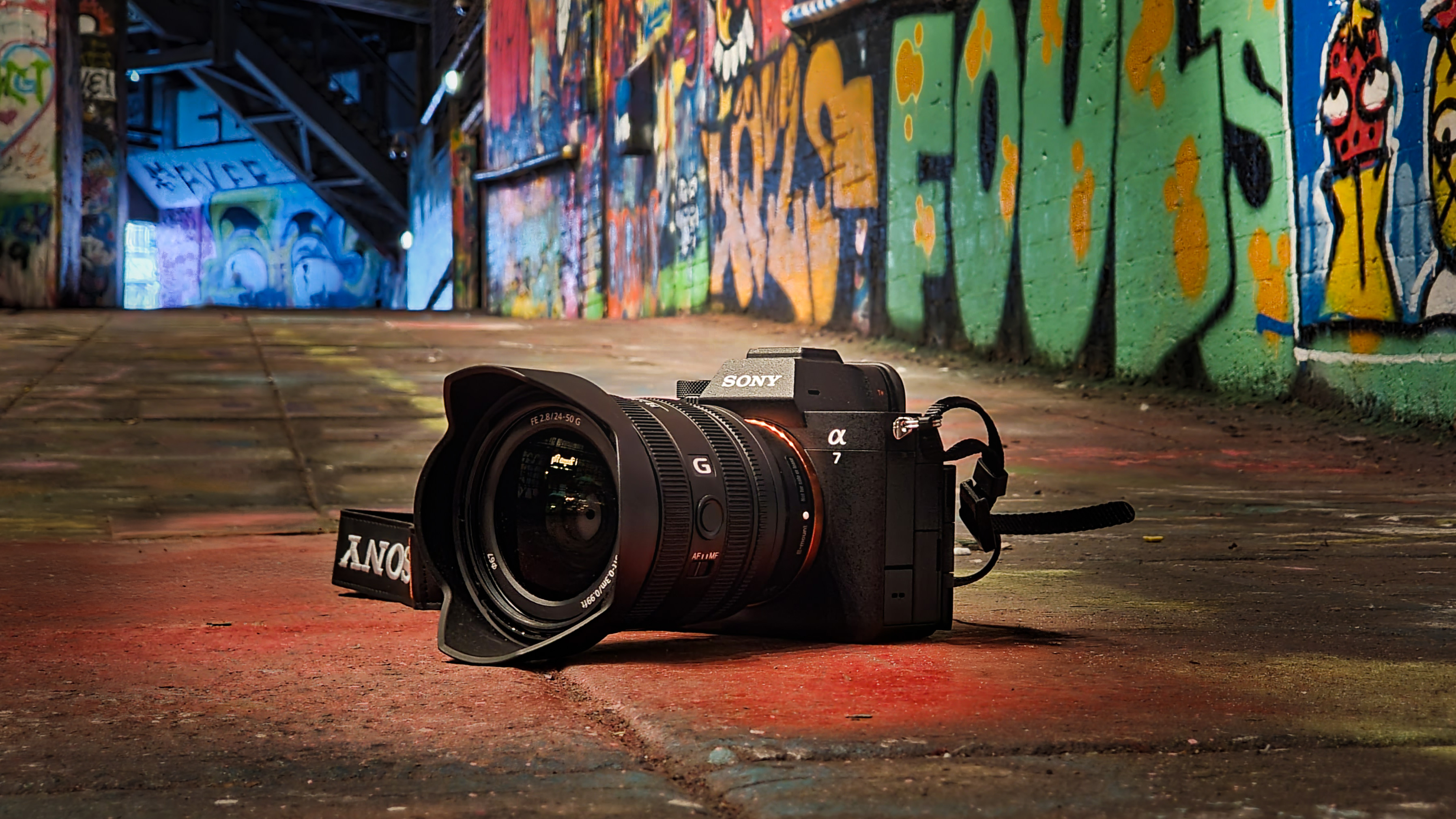
- The A7 V's in-body image stabilzation is rated up to 7.5EV to the A7 IV's 5.5EV
- Battery life is up from 580 shots to 750
- Video recording lasts longer in high heat
Other less glamorous but highly useful performance improvements include improved in-body image stabilization, battery life, and more durable video recording. For example, the A7 V's in-body image stabilization is rated up to 7.5 stops in the center and 6.5 stops at the periphery, whereas the A7 IV's is rated at 5.5 stops.
Battery life has been improved too; the A7 V's is rated at 750 shots using the LCD or 630 shots using the viewfinder, whereas the A7 IV's is 580 shots and 520 shots respectively. The A7 V's battery life is one of its standout features, not only over the A7 IV, but also over Canon and Nikon rivals.Video record times are much the same, rated at 90 minutes in 25°C heat. However in particularly high 40°C heat, video recording is now up to 60 minutes versus just 10 minutes in A7 IV.
- Performance winner: Sony A7 V
4. Sony A7 V vs Sony A7 IV: image and video quality
Image 1 of 3 Tricky scens, lifelke colors with the A7 V(Image credit: Future/ Peter Fenech)
 Improved IBIS unleashes creative handheld techniques(Image credit: Future/ Peter Fenech)
 Improved subject detection autofocus includes more subjects and smarter recognition such as head and body.(Image credit: Future/ Peter Fenech)
- Both shoot 33MP stills with similar dynamic range, 14-bit RAW in the A7 V
- Video recording is improved, now 4K 60p (oversampled from 7K and no crop)
- Auto white balance accuracy has been improved
If you're mostly shooting landscape photography and easy static subjects, then you might not notice a huge difference in image quality between the A7 V and the A7 IV. For such photographers, the improved auto white balance accuracy will likely be the most notable upgrade. We found it the A7 V handled particularly trickily lit scenarios with ease, rendering lifelike and pleasing colors. Sadly, aggressive JPEG processing remains.
The image quality improvements for photographers are largely a fruit of the A7 V's improved performance, such as better autofocus accuracy and versatility, the elimination of rolling shutter distortion, and faster shooting speeds.
It is the video recording capabilities of the A7 V that enjoy a bigger upgrade. 4K video recording up to 60 frames per second is achieved with no crop and can be oversampled from 7K, while 4K at 120 frames per second has been added, albeit with a 1.5x crop.
One trick that the A7 V has is what Sony calls 'high-res raw processing', which is a mode that combines 16 images (using Sony's Imaging Edge desktop app) into a single file for better noise reduction and more resolution. This mode is particularly useful for static subjects such as landscape photography.
- Image quality winner: Sony A7 V
5. Sony A7 V vs Sony A7 IV: design
Image 1 of 4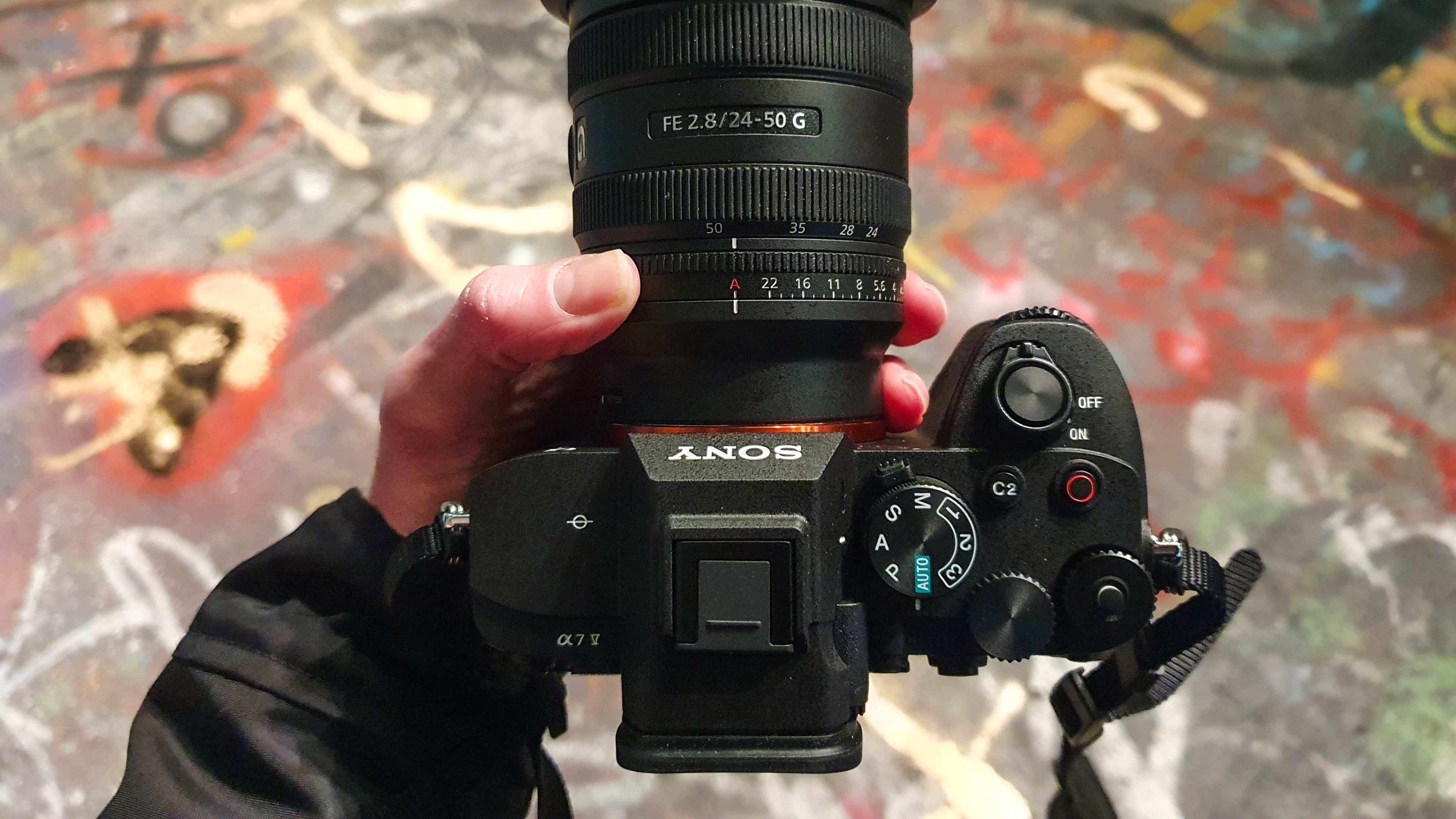 A7 V(Image credit: Future/ Peter Fenech)
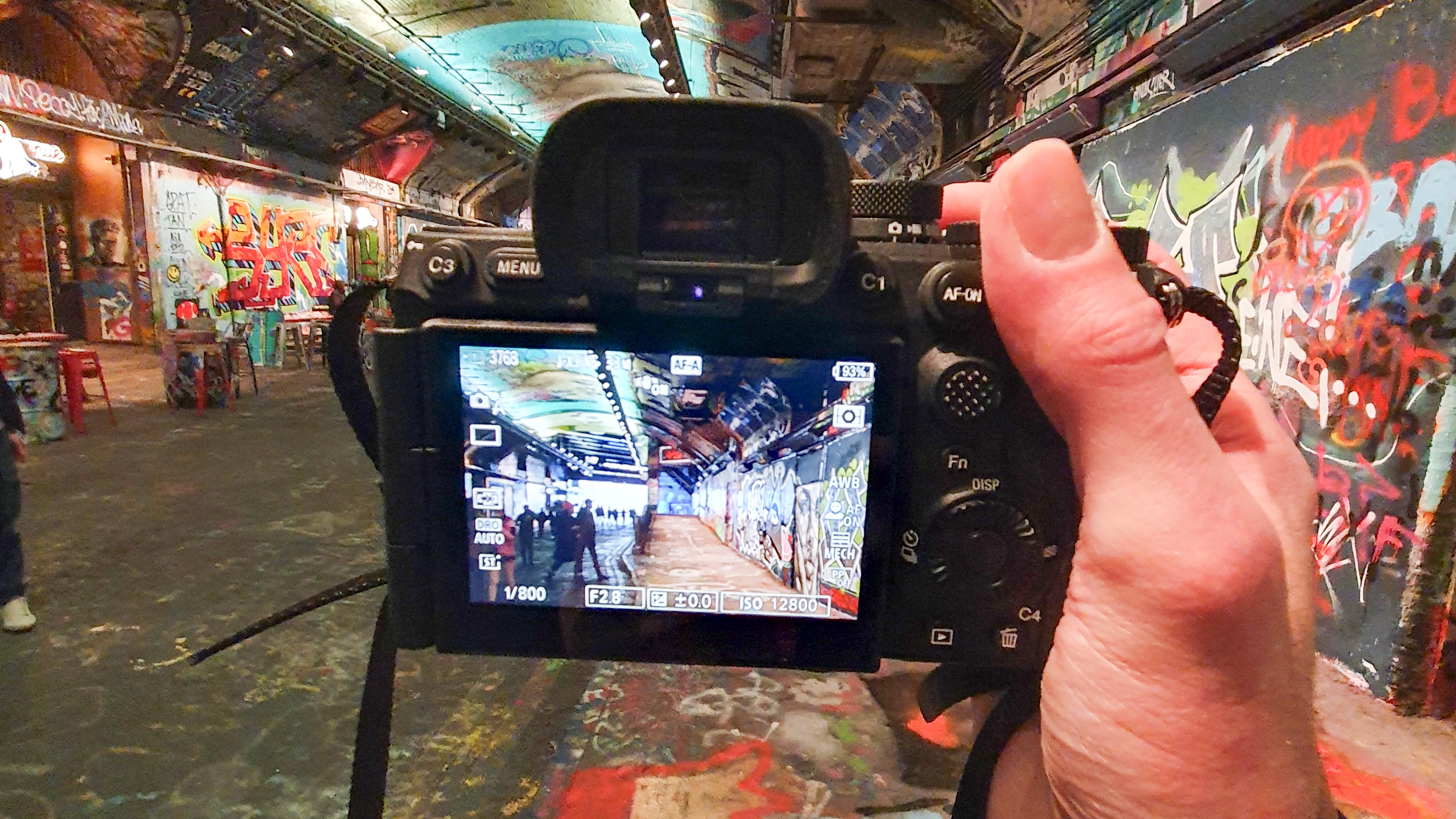 A7 V(Image credit: Future/ Peter Fenech)
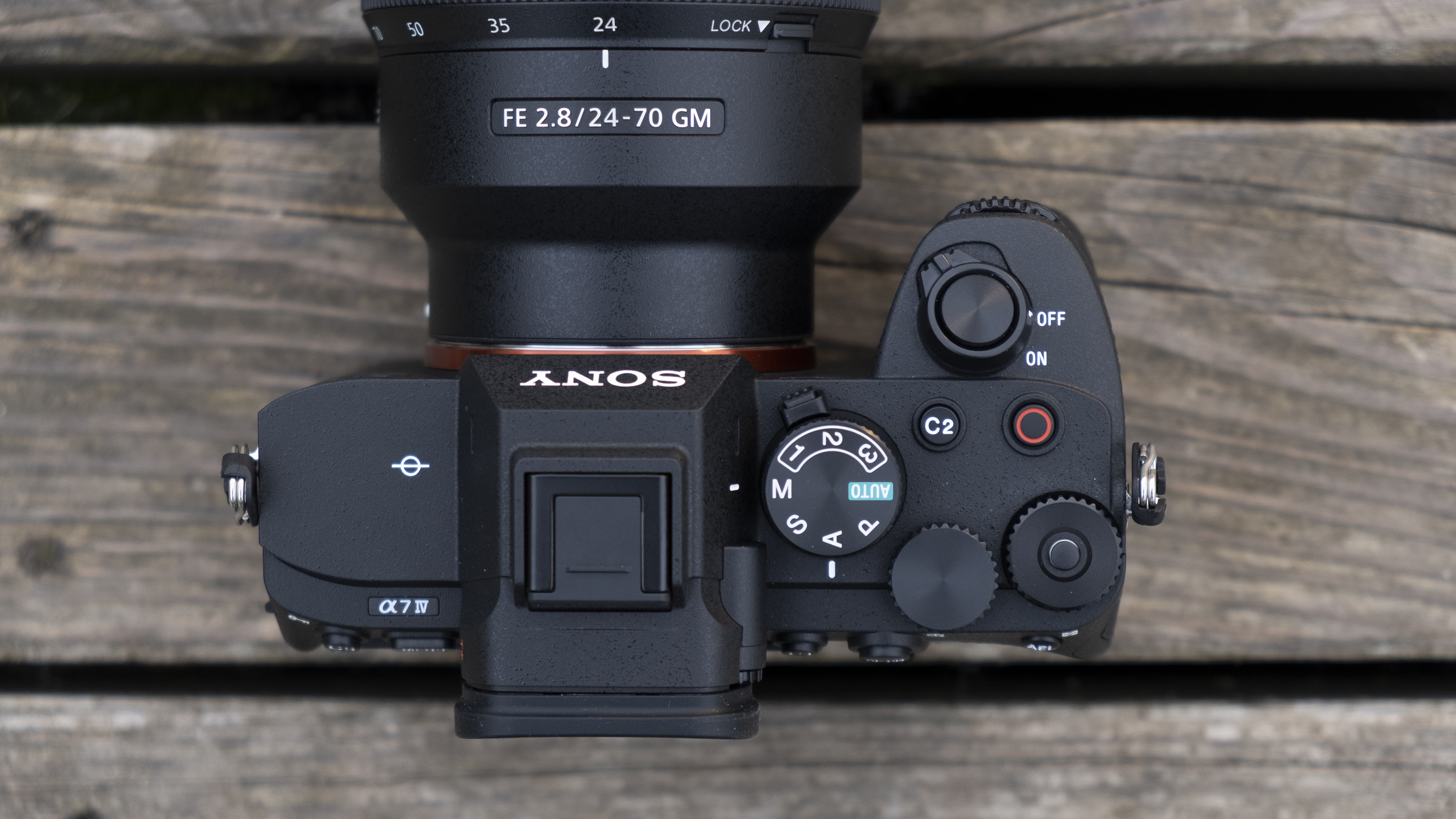 A7 IV(Image credit: Future)
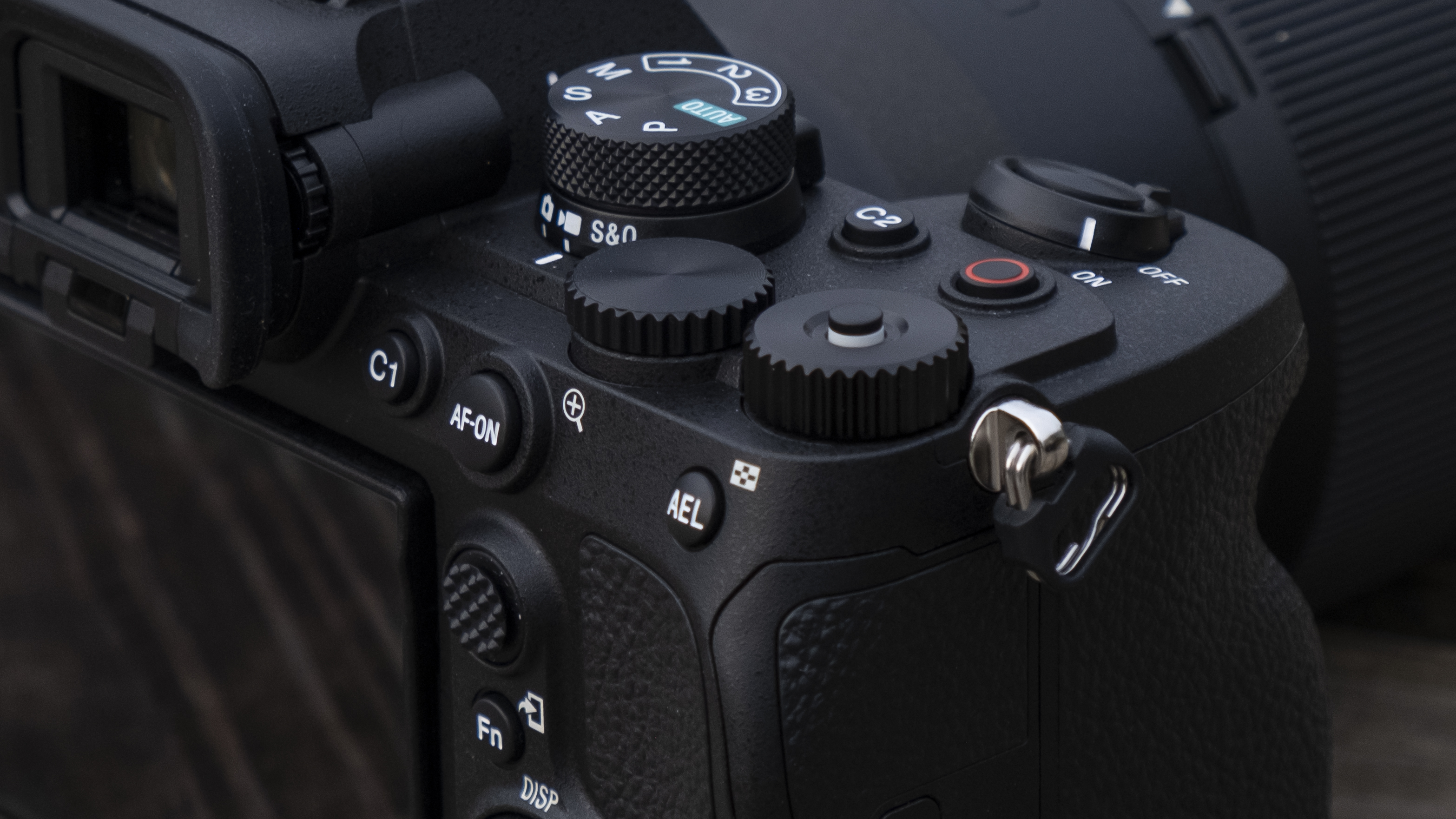 A7 IV(Image credit: Future)
- 3.2-inch LCD touchscreen is now a dual-axis vari-angle, versus single axis
- The same EVF, but there's no blackout in the A7 V's
- Improved ergonomics in the A7 V
At first, the A7 V and A7 IV are strikingly similar looking cameras. This means that if you are familiar with Sony cameras, the switch between these two will be straightforward.
After extended time with the new A7 V, however, we noticed a few useful and subtle improvements in how it handles over its predecessor. For one, the grip has been redesigned and is more comfortable to hold for longer periods.
In addition to the improved grip shape, the rear 3.2 inch LCD touchscreen is now a dual-axis vari-angle type, whereas the A7 IV's is a single-axis vari-angle type. In practice, the dual-axis hinge can bring the screen away from the ports so the swivel of the screen is not impeded by any cabling that's connected to the camera. It also enables clear viewing in both vertical and horizontal shooting at awkward angles. We get the same EVF in both cameras, however, the A7 V's EVF has no blackout whatsoever – I know a few photographers who are taking note on this point.
As for ports, there are now two USB-C ports, one 3.2 and a 2.0. They can be used simultaneously to transfer data, connect to a gimbal and / or charge the camera. Sony says the internal mic quality has been improved too, especially in its ability to reduce background noise.
- Design winner: Sony A7 V
Sony A7 V vs Sony A7 IV: early verdict
Somewhat unsurprisingly, it's a clean sweep for the Sony A7 V, which is a better camera than the Sony A7 IV in just about every regard, even if the improvements feel evolutionary rather than revolutionary.
Still image quality is roughly the same, but the A7 V has next-level speed, which makes it a more versatile all-rounder. Also, its video quality has been improved, with a better handle on rolling shutter distortion, and no crop at 4K 60 frames per second recording. Auto focus performance has been improved, as has overall color rendition thanks to smarter subject detection skills.
I also prefer how the A7 V handles; its refined grip is more comfortable in the hand, while the dual-axis vari-angle screen is particularly helpful if you want to shoot in vertical and horizontal formats at awkward angles.
The only thing going for the Sony A7 IV in this battle is its price; because since it's four years old, it now costs much less than it did at launch, and than the A7 V. You can pick it up for around $1,000 / £1,000 less at the time of writing. And if you generally shoot still subjects and don't need the performance improvements, it could be the wiser choice of the two cameras.
 Timothy ColemanSocial Links NavigationCameras editor
Tim is the Cameras editor at TechRadar. He has enjoyed more than 15 years in the photo video industry with most of those in the world of tech journalism. During his time as Deputy Technical Editor with Amateur Photographer, as a freelancer and consequently editor at Tech Radar, Tim has developed a deeply technical knowledge and practical experience with cameras, educating others through news, reviews and features. He’s also worked in video production for Studio 44 with clients including Canon, and volunteers his spare time to consult a non-profit, diverse stories team based in Nairobi. Tim is curious, a keen creative, avid footballer and runner, and moderate flat white drinker who has lived in Kenya and believes we have much to enjoy and learn from each other.
You must confirm your public display name before commenting
Please logout and then login again, you will then be prompted to enter your display name.
Logout Back To Top Read more
The Sony A7 V could launch soon – here are 5 upgrades that could make it the perfect all-rounder
The first leaked Sony A7 V images suggest the Nikon Z6 III will have some serious competition soon
Best full-frame camera 2025: the top big sensor DSLRs and mirrorless cameras
 Fujifilm X-T30 III vs Fujifilm X-T50
 The best video cameras for 2025, based on in-depth testing
 The best cameras for vlogging 2025, recommended based on in-depth testing
Latest in Mirrorless Cameras
Sony A7 V review: I'd choose it over the A7R V or A1 II any day
The best cameras for vlogging 2025, recommended based on in-depth testing
Latest in Mirrorless Cameras
Sony A7 V review: I'd choose it over the A7R V or A1 II any day
 Sony A7 V leak gives us our first glimpse of imminent flagship camera
 The Canon EOS R6 III screams ‘sensible upgrade’ for pro hybrid shooters – and that should worry Sony and Nikon
 Canon just teased its next mirrorless camera and it's coming in two days – here's what to expect
 The Nano Banana camera will let you edit photos in real time using just your voice, and I can’t wait to try it
 Leica’s new M EV1 is a dramatic break from tradition, but I’d still pick this rival Leica over it every time
Latest in Versus
Sony A7 V vs Sony A7 IV: 5 reasons to upgrade
Leica’s new M EV1 is a dramatic break from tradition, but I’d still pick this rival Leica over it every time
Latest in Versus
Sony A7 V vs Sony A7 IV: 5 reasons to upgrade
 OnePlus 15 vs iPhone 17 Pro Max: two of 2025’s best phones compared
 Cloudways vs InMotion Hosting: Which is better for WordPress sites?
 NordVPN Prime vs Proton Unlimited – which is the best premium VPN deal this Cyber Monday?
 NordVPN Plus vs Surfshark One – which is the best value VPN plan this Black Friday?
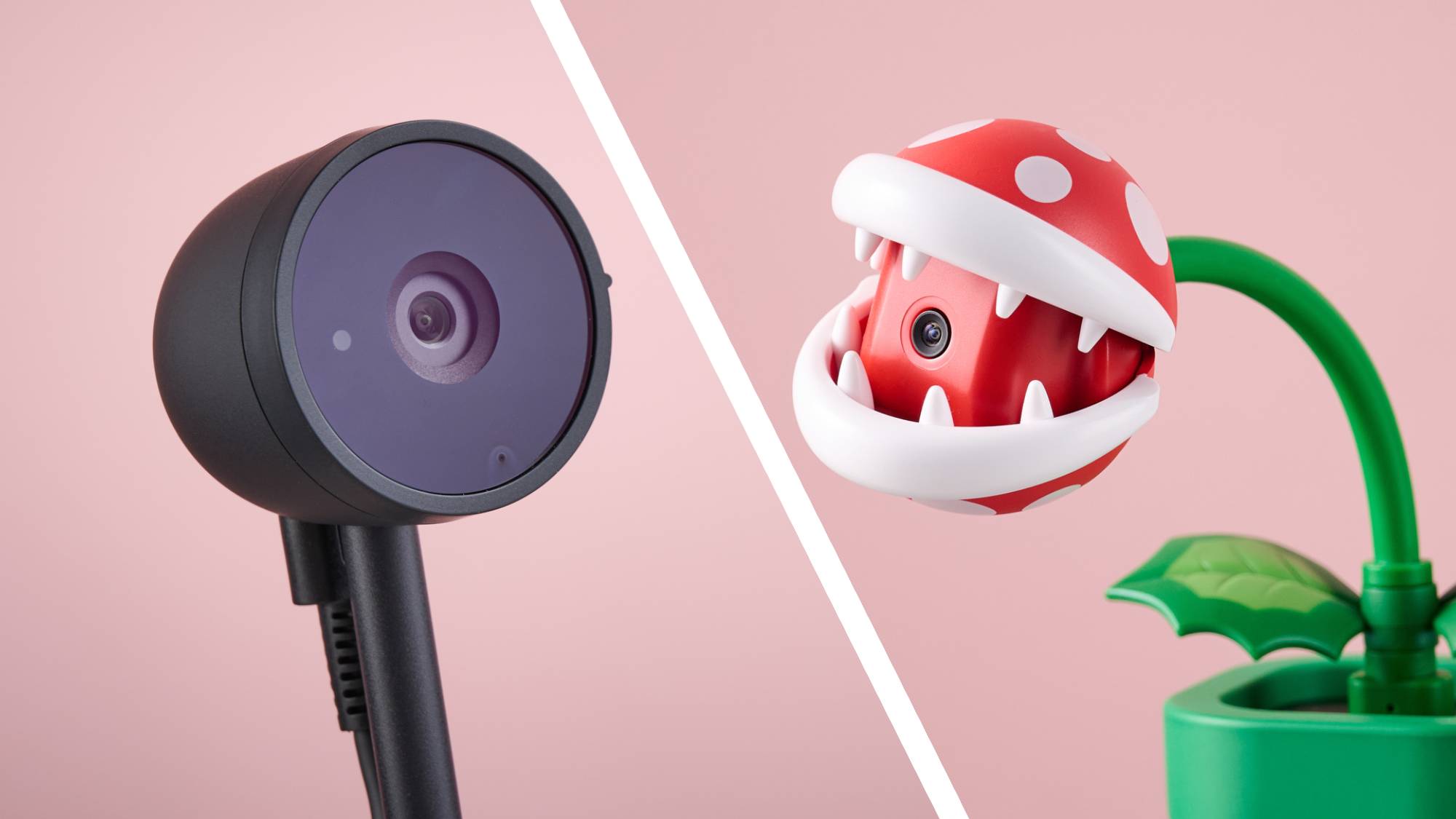 I tested the official Nintendo Switch 2 camera against its Piranha Plant rival – here’s the model I’d buy
LATEST ARTICLES
I tested the official Nintendo Switch 2 camera against its Piranha Plant rival – here’s the model I’d buy
LATEST ARTICLES- 1Sony A7 V vs Sony A7 IV: 5 reasons to upgrade
- 24.3 million have installed this malicious browser extension on Chrome and Edge - here's how to check
- 3Sony A7 V review: I'd choose it over the A7R V or A1 II any day
- 4Ex-engineer argues Microsoft must fix Windows 11 'until it doesn't suck'
- 5YouTube launches its answer to Spotify Wrapped – here’s how get your Recap