- Asia
- China
Beginning January, contraceptive medicines and devices, including condoms, will be subjected to a 13% value-added tax for first time since 1993
Maroosha MuzaffarTuesday 02 December 2025 11:34 GMTComments
 CloseChina: Can cash-for-kids scheme help amid diminishing birthrate?
On The Ground newsletter: Get a weekly dispatch from our international correspondents
Get a weekly dispatch from our international correspondents
Get a weekly international news dispatch
Email*SIGN UPI would like to be emailed about offers, events and updates from The Independent. Read our Privacy notice
Contraceptives will get more expensive in China as the country that once had a one-child policy prepares to tackle plunging birth rates by bringing changes in reproductive and family-related taxation.
Beginning January, contraceptive medicines and devices, including condoms, will be subjected to a 13 per cent value-added tax for the first time since 1993, ending a three-decade exemption.
The tax change is included in the revised Value-Added Tax Law and marks a departure from the era when Beijing heavily subsidised and promoted birth control under the one-child policy, Bloomberg reported.
The government is simultaneously introducing financial relief for those who choose to start families. The updated legislation removes VAT on childcare providers such as nurseries and kindergartens, along with elder-care institutions, disability service organisations, and businesses offering marriage-related services.
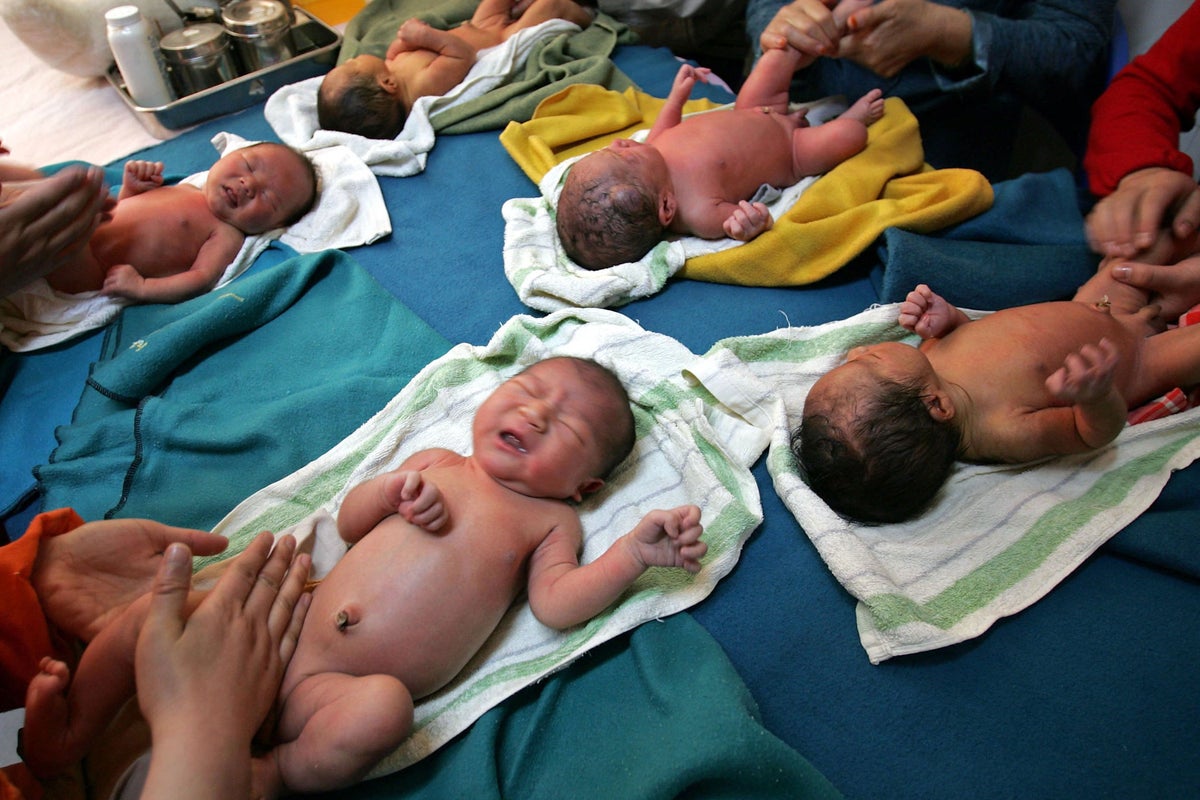
China’s population has shrunk for three years in a row, with only 9.54 million babies born in 2024 – far fewer than the 18.8 million births in 2016, the first year after the one-child policy ended.
Authorities have reacted with a catalogue of pro-natalist measures: local governments are offering cash rewards for newborns, parental leave has been expanded, and guidelines now discourage abortions that are not considered “medically necessary”.
Yet economic and cultural barriers remain dominant. The YuWa Population Research Institute study estimates that raising a child to age 18 costs more than 5,38,000 yuan ($76,000). Young adults contending with weak job prospects and a slow economy are increasingly reluctant to shoulder that burden, and many prefer to prioritise self-growth and career security over family life.
Experts say the contraception tax is unlikely to produce a meaningful spike in childbirth. The move has also triggered heated debate online, particularly amid a worrying rise in HIV infections that experts link to unprotected sex.
On Weibo, one commenter warned: “When considering the rising HIV infections among young people, raising prices like this might not be a good idea. It’s a poorly considered approach.”
China’s declining birth rate has led to a significant drop in both kindergarten numbers and enrolment, a new report has revealed.
Because of the declining birthrate, in 2023, the number of kindergartens decreased by over five per cent, with 14,808 closures, marking the second year of decline, according to an annual report by China’s ministry of education.
Enrolment dropped by 11.55 per cent, or 5.35 million children, leaving around 40.9 million enrolled, which is the third consecutive year of falling numbers.
Last year in June, China’s Civil Affairs University announced a new marriage programme to promote and develop marriage-related culture. The undergraduate programme, set to open in the Beijing institution in September last year, sought to “cultivate professionals to develop marriage-related industries and culture”, according to state media.
More about
birth ratesabortionsJoin our commenting forum
Join thought-provoking conversations, follow other Independent readers and see their replies
Comments