- News
- Science
- Archaeology
Study also provides first evidence of male mass burials in China
Vishwam SankaranTuesday 02 December 2025 11:22 GMTComments
 CloseTürkiye announces new Neolithic-era findings from major archaeology project
Sign up for the Independent Women email for the latest news, opinion and features
Get the Independent Women email for free
Get the Independent Women email for free
Email*SIGN UPI would like to be emailed about offers, events and updates from The Independent. Read our Privacy notice
Archaeologists have found evidence of a highly gendered Stone Age society in China about 3,800 to 4,300 years ago, with male and female sacrificial victims chosen for separate purposes.
Researchers from the Chinese Academy of Sciences found that elite burials at a large Stone Age settlement in northwestern China often had female attendants who were ritually sacrificed – thousands of years earlier than previously thought.
The study also provided the first evidence of male mass burials associated with human sacrifice in the region.
Archaeologists suspect the ancient society carried out two types of human sacrifices – one that involved mass burials of men that likely served public ritual purposes, and another accompanying high-status burials in which female victims were entombed along with the dead.
They found evidence that China’s Shimao archaeological site in northern Shaanxi Province is a late Stone Age settlement, home to a hierarchical society that followed gendered norms.
“These findings reveal a predominantly patrilineal descent structure across Shimao communities and possibly sex-specific sacrificial rituals,” scientists wrote in the study published in the journal Nature.
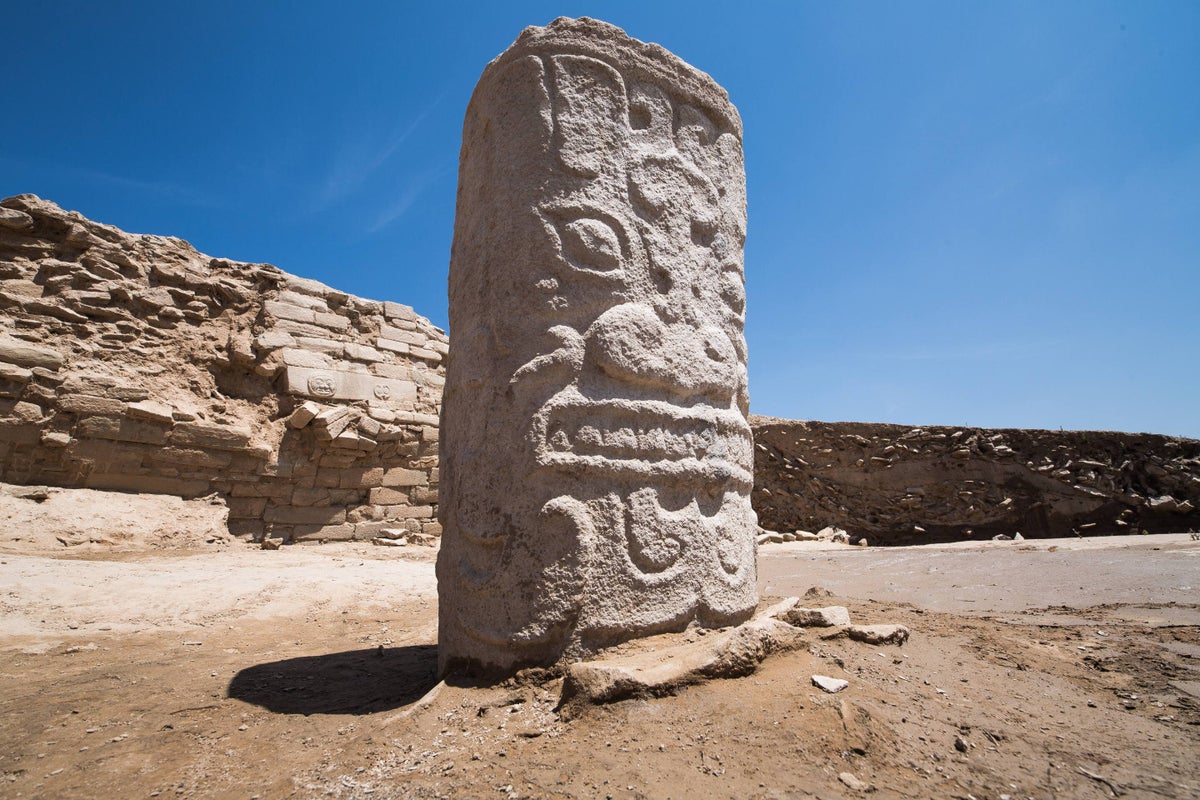
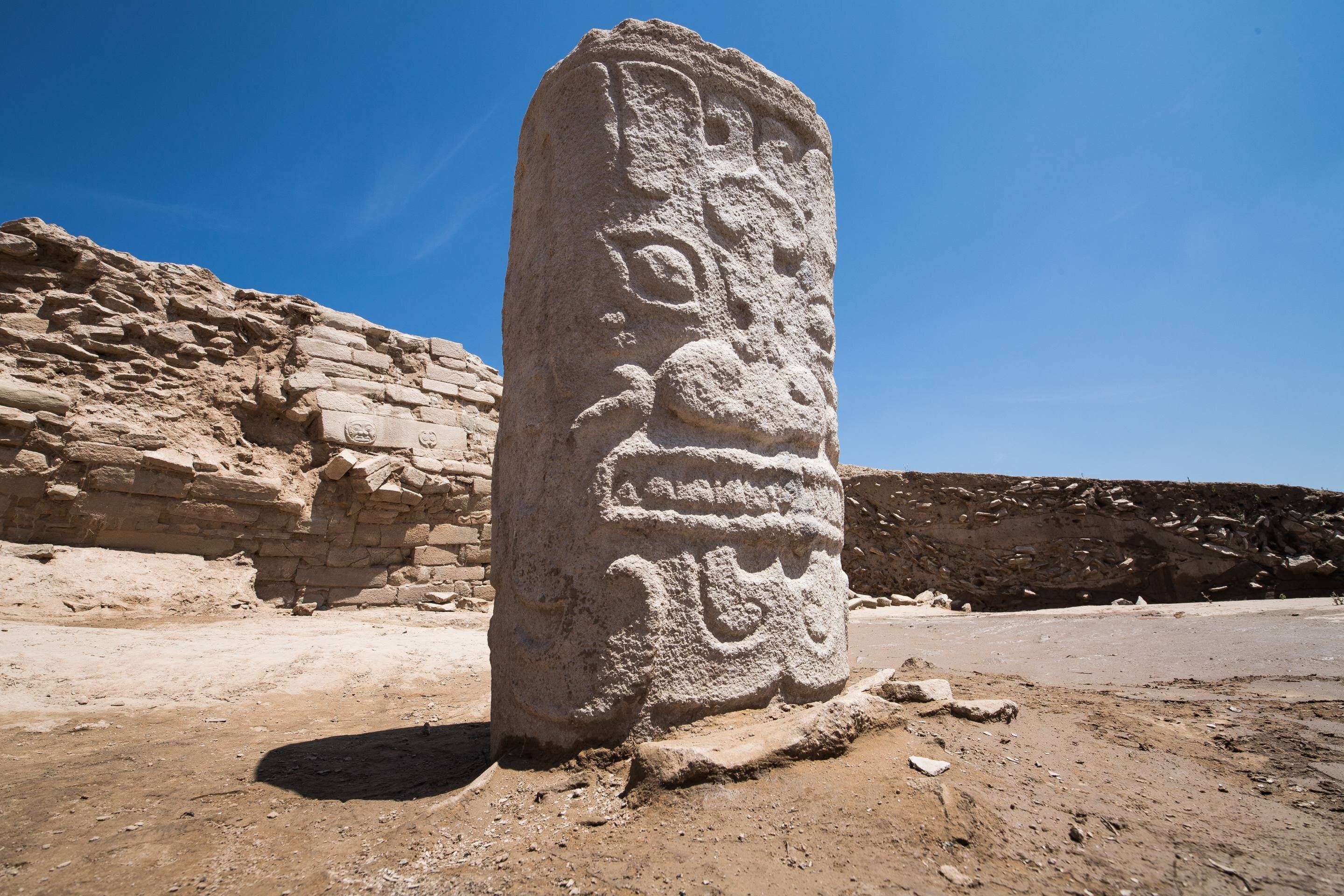 open image in galleryCarving stone at Shimao city (Institute of Vertebrate Paleontology and Paleoanthropology)
The stone-walled settlement covering an area of about 4sqkm (1.5sq miles) had distinct zones, with archaeological evidence pointing to hierarchical social organisation and gender bias in the way the ancient people performed human sacrifice.
Previous research has found a level of organisation in the settlement typical of state-level societies, including sites of craft production as well as areas with large fortifications.
In the latest study, scientists assessed DNA data from 169 human remains along with several others found at seven archaeological sites across Shaanxi and neighbouring Shanxi province.
By comparing DNA from the remains, researchers found that the Shimao people were predominantly descended from local groups that inhabited the region roughly 1,000 years earlier.
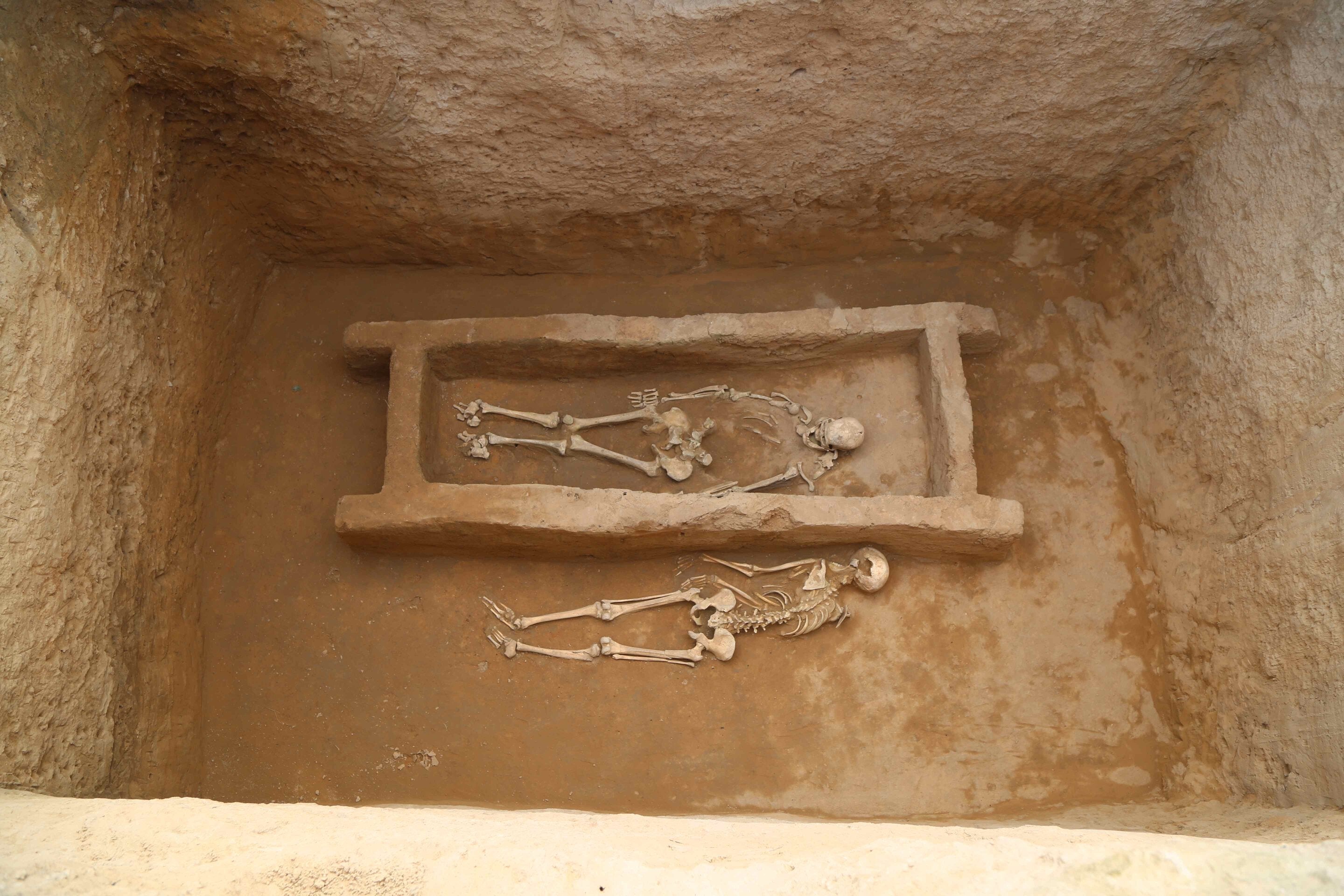 open image in galleryTomb owner and a sacrificed victim (IVPP)
The latest findings also challenge long-held assumptions about the gender of sacrificial victims at Shimao's East Gate.
Contrary to previous theories that most sacrificed humans were female, genetic evidence showed that 9 out of 10 burials at the site were male.
Scientists found a clear sex-specific pattern in the way human sacrifices were made.
Male sacrifices were concentrated at the East Gate, while female sacrificial remains were mostly linked to elite cemeteries.
This reveals that Shimao's sacrificial practices were highly structured, with gender-specific roles tied to distinct ritual purposes and locations.
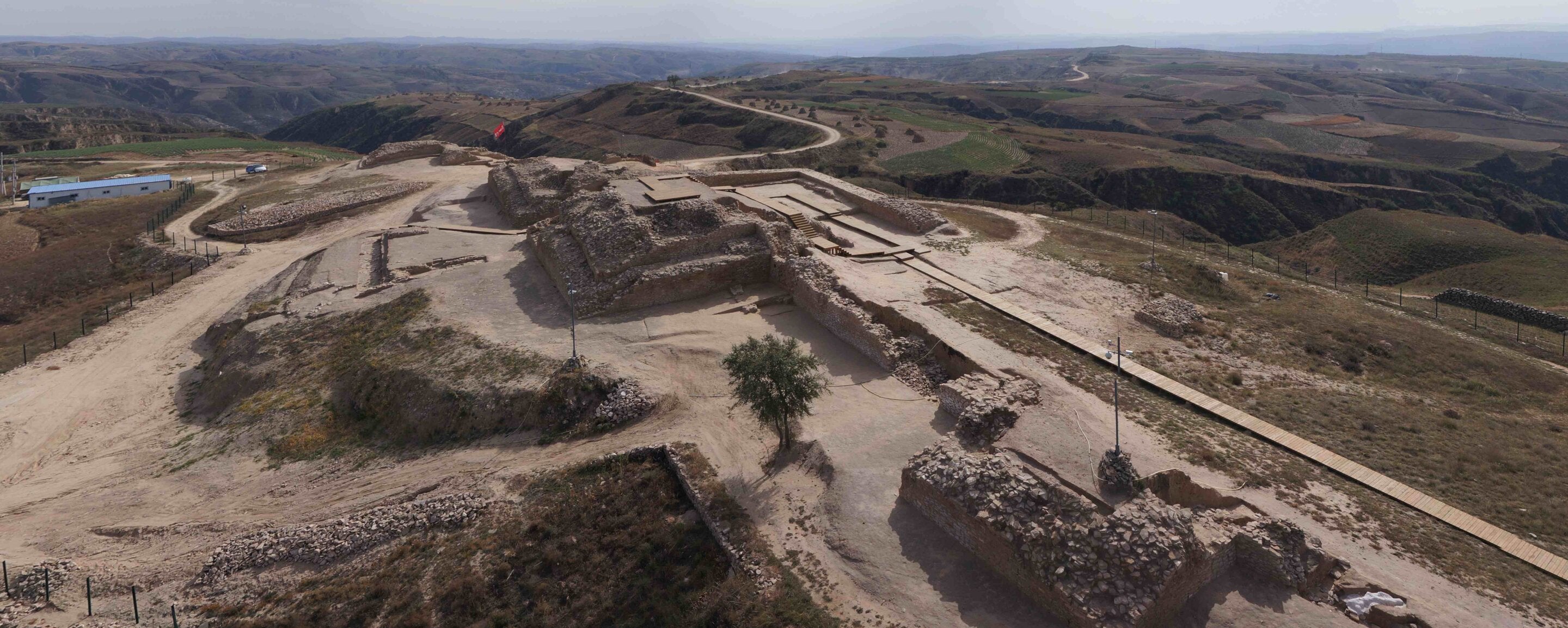 open image in galleryLandscape of Shimao city (IVPP)
The phenomenon of elites being buried alongside sacrificed female companions is observed in China only thousands of years later, during the early Iron Age period of 770–221 BC.
Researchers also found close genetic connections between the Shimao people and southern rice-farming communities, highlighting extensive interactions among prehistoric farming and pastoral communities in ancient China.
They hope further studies in the region could help better understand the origins of early East Asian states.
More about
womenstone agehuman sacrificeJoin our commenting forum
Join thought-provoking conversations, follow other Independent readers and see their replies
Comments