- News
- UK
- Crime
Nearly four million children are believed to be affected by economic abuse in UK homes
Holly EvansTuesday 02 December 2025 00:01 GMT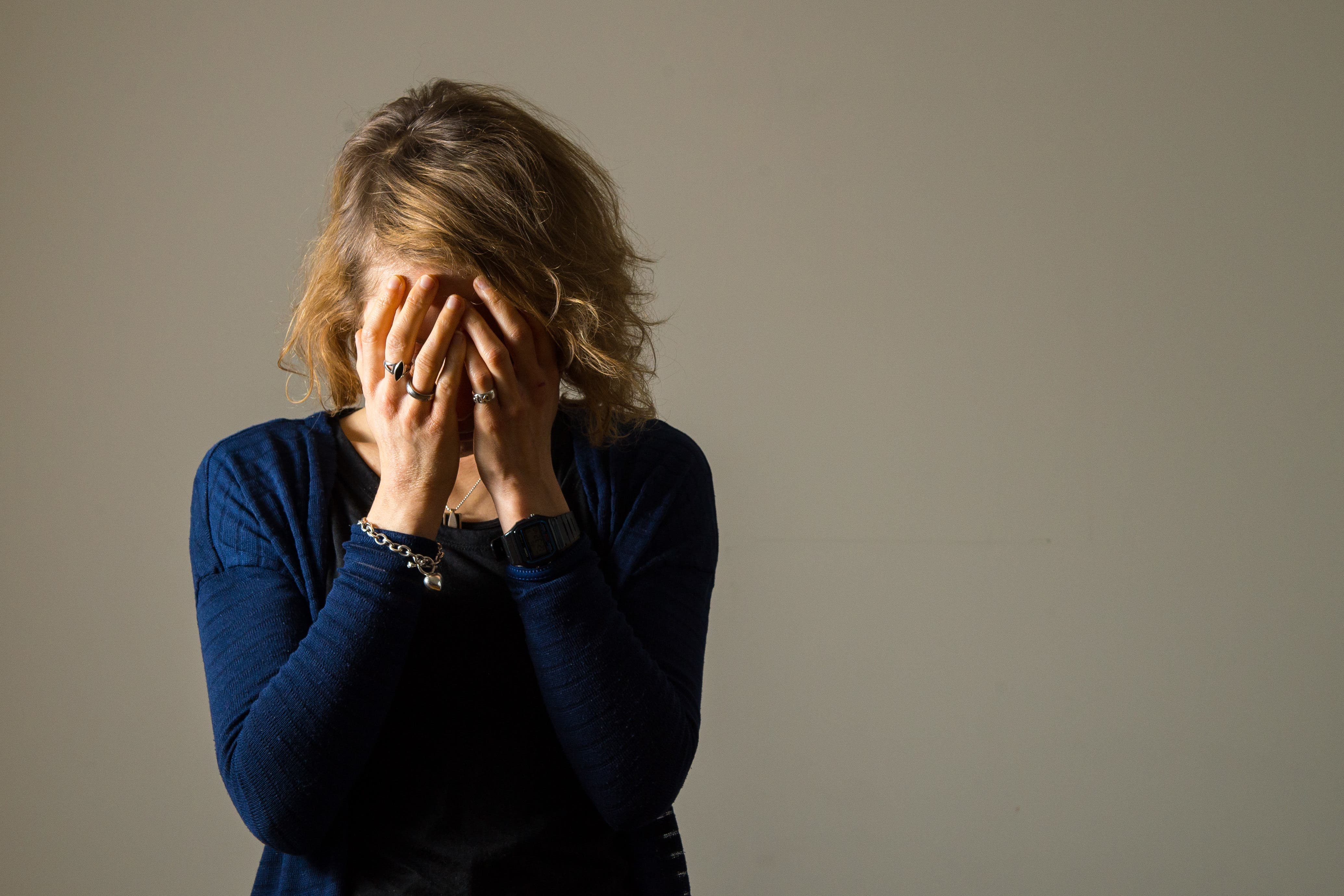 open image in galleryMore than a quarter of mothers surveyed have experienced economic abuse over the past year (PA Archive)
For free real time breaking news alerts sent straight to your inbox sign up to our breaking news emails
Sign up to our free breaking news emails
Sign up to our free breaking news emails
Email*SIGN UPI would like to be emailed about offers, events and updates from The Independent. Read our Privacy notice
Nearly four million children are believed to be affected by economic abuse, with one in seven mothers claiming their child or teenager had experienced poor mental health as a result.
A study conducted by the charity Surviving Economic Abuse and Ipsos, which surveyed 5,094 adults, found more than a quarter of mothers (27 per cent) have experienced this form of abuse – when a current or ex-partner controls a victim’s money like income and bank accounts – in the past year, suggesting that 3.9 million children are being affected by this “hidden crisis”.
In Becky’s* case, her ex-partner had seemed like the “best thing since sliced bread” when they first met and she was just 18 years old. He would buy her gifts, take her on fancy holidays and encouraged her to move in with him after six months of dating.
Given that he had a decent job and had taken control of the household bills, she was unaware that he was avoiding paying council tax and was racking up significant debts in her name.
After the birth of their first child, he pressured her to give up her job by insisting he would “take care of her”, making it impossible for her to continue working by cancelling the car insurance and refusing to pay for childcare costs.
Isolated from friends and family due to his insistence that they continually move house further and further away, she was then subjected to verbal abuse, which left her depressed, while he became more volatile by throwing plates whenever she stood her ground.
 open image in galleryEconomic abuse is when a current or ex-partner controls a victim-survivor’s money and economic resources to make it harder for them to escape (PA Archive)
He pressured her into taking out a loan and a credit card for him to use, with Becky eventually suffering stroke-like symptoms during a panic attack while she was eight months pregnant with their second child.
After a brief separation, their relationship continued after he promised to change. “He didn’t change at all, if anything, it got worse,” she said. “He took credit cards out in my name, we moved house again, he wasn’t paying council tax or bills and debt letters were constantly coming in.
“A credit card came through with my name on it but by that point, I was just in survival mode - don’t argue with him as the repercussions could be worse.”
Eventually, she was able to free herself from the relationship but the economic abuse continued.
“He stopped paying child maintenance, stopped paying finance and insurance on the car which meant I had no way of getting around, knocking on my neighbour’s house and asking who had been in the house and following me,” she added.
She said she contacted both the police and social services for support after he sent her continuous abusive emails, called her workplace, was allegedly drink-driving with the children in the car and showed up at her house with a knife.
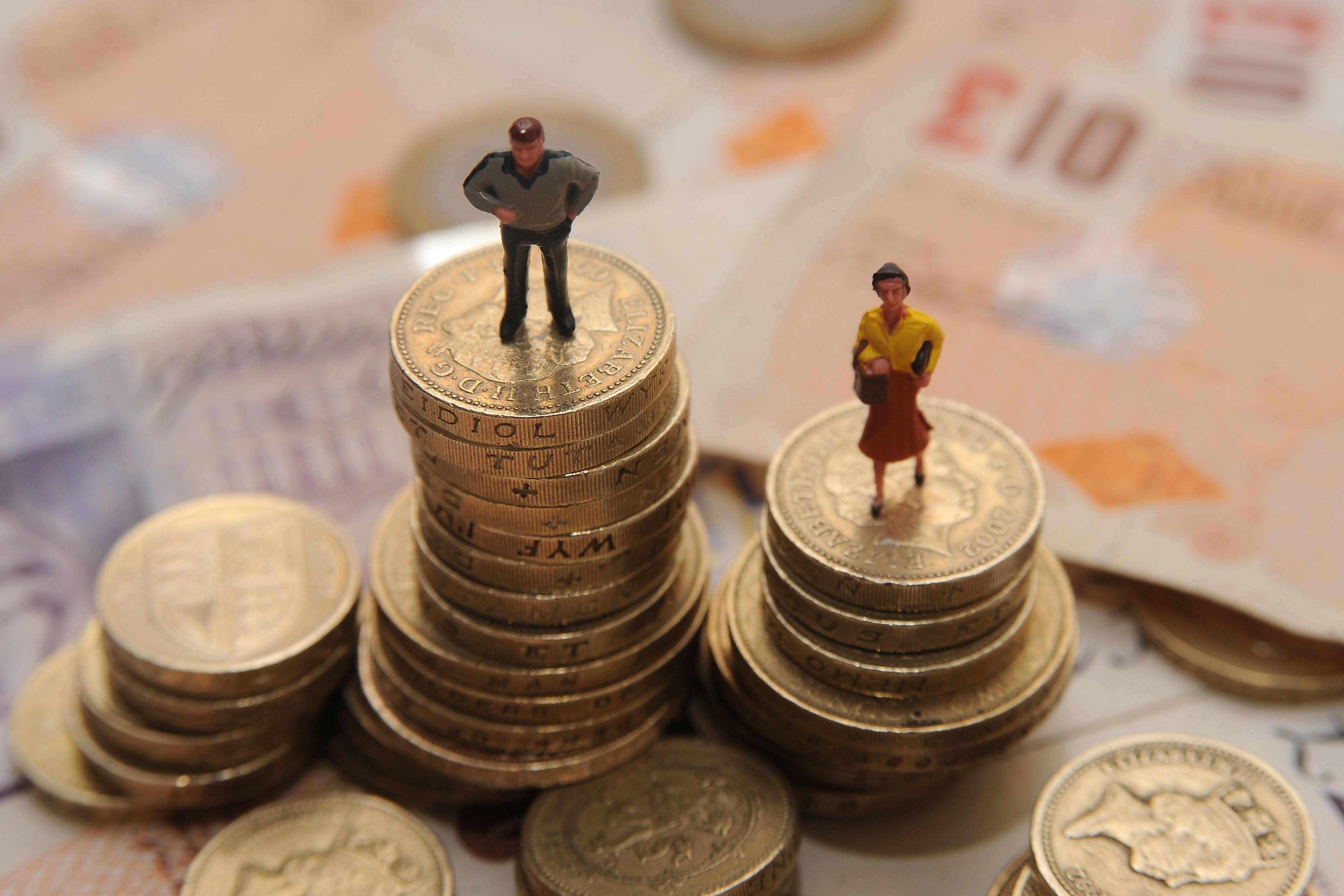 open image in galleryA third of women who have endured economic abuse said their ex-partner refused to pay child support or paid it unreliably (PA Archive)
While he no longer knows where she lives, moving to her own place was also an ordeal. Her credit card score was so low that she was unable to get wifi or purchase a TV, and struggled to furnish her property with white goods.
“It’s been horrific, it’s so debilitating. It takes over your whole life,” Becky said. “Applying for benefits is mentally draining with the judgement you receive. I’ve always worked and paid into the system, but it’s like you’re no longer seen as a valued member of society.
“I was on antidepressants, I was suicidal and I had to make a really difficult choice of ‘I’m either going to stay in this pit or pull myself out’. There was a point where I didn’t see a way out other than killing myself.”
Abusive parents have also been found to use tactics that directly target their children’s economic security, with a third of women who have endured economic abuse stating that their ex-partner refused to pay child support or paid it unreliably.
It comes as a survey published by the victims’ commissioner last month found that less than half of the victims surveyed were confident that the criminal justice system is effective.
One in six also reported that a current or ex-partner had stolen money from their child, such as birthday money, or had tried to stop them accessing benefit payments they were entitled to receive.
Of the mothers surveyed, 17 per cent said they could not provide food, clothes or other essential items for their children, while 20 per cent said they felt afraid for their children’s safety or wellbeing because of their current or ex-partner’s economically abusive behaviour.
The Independent’s Brick by Brick campaign with Refuge last year raised almost £600,000 to build two new safe havens for women fleeing abuse. Meanwhile, the Crown Prosecution Service (CPS) has vowed to tackle the “complex web of harm” relating to violence against women and girls (VAWG) as part of its newly published five-year strategy.
Sam Smethers, CEO of Surviving Economic Abuse, said: “Economic abuse is a dangerous form of coercive control and children are being harmed by it every day. Our research shows that perpetrators are stealing children’s pocket money, stopping mums accessing child benefit, and refusing to pay child support. Economic abuse means women and children go without at Christmas and every day of the year, with some pushed into poverty and homelessness.
“The prime minister has described economic abuse as a national emergency and it’s a scandal that so many mums and their children are living with its devastating consequences. We help families to escape economic abuse by providing vital online information to survivors and training professionals, like children’s services, to spot the signs of economic abuse.”
If you are experiencing feelings of distress, or are struggling to cope, you can speak to the Samaritans, in confidence, on 116 123 (UK and ROI), email [email protected], or visit the Samaritans website to find details of your nearest branch.